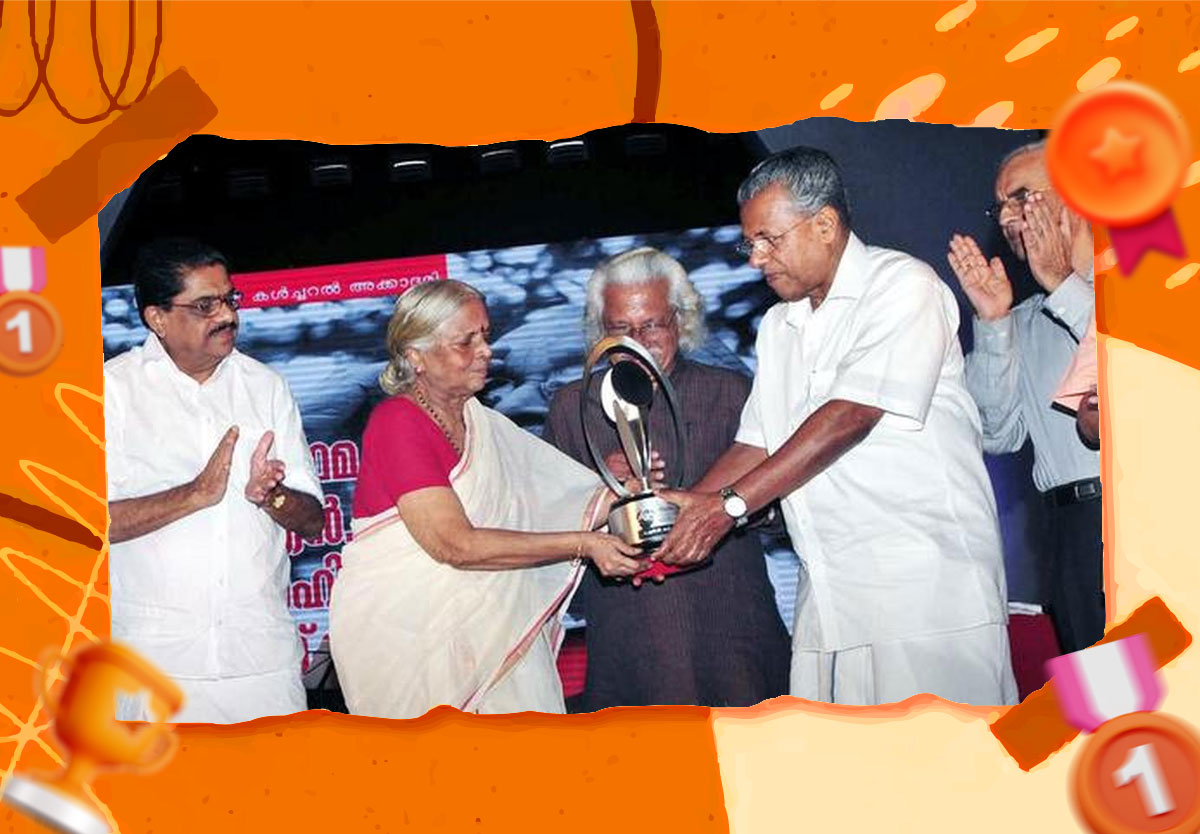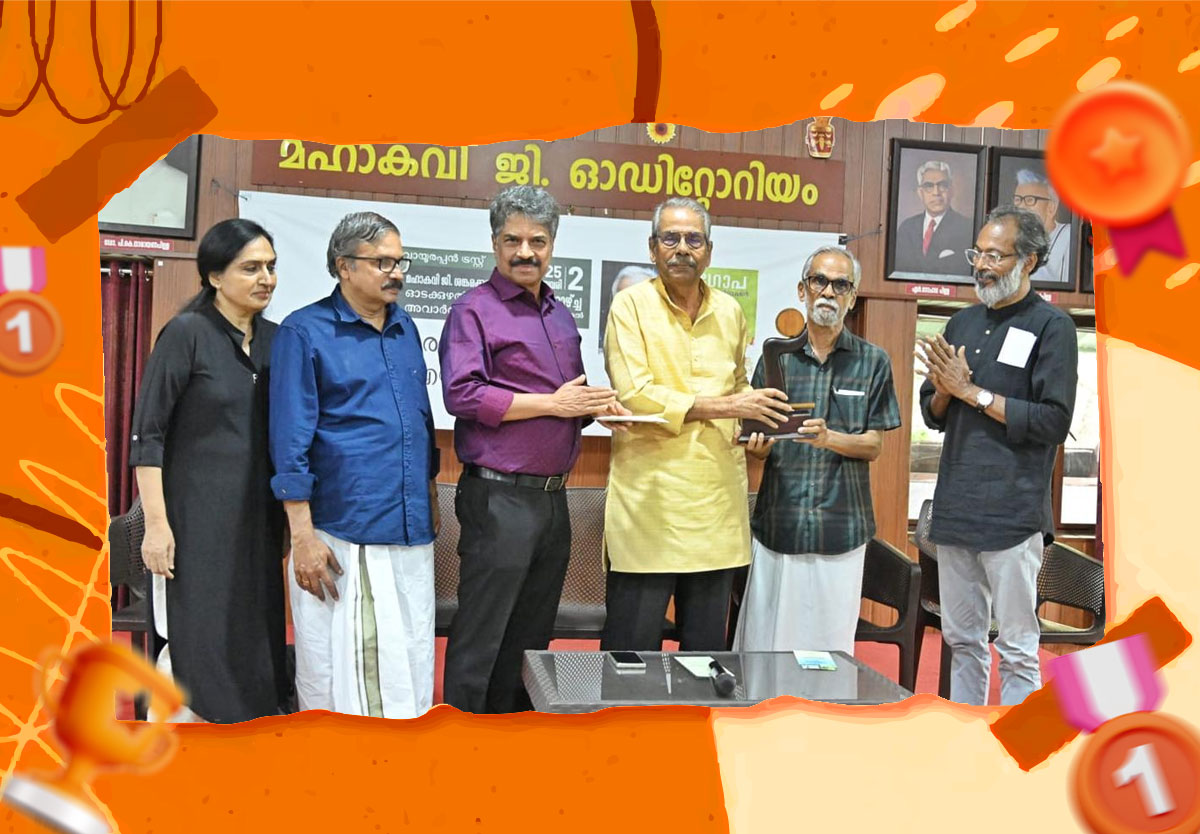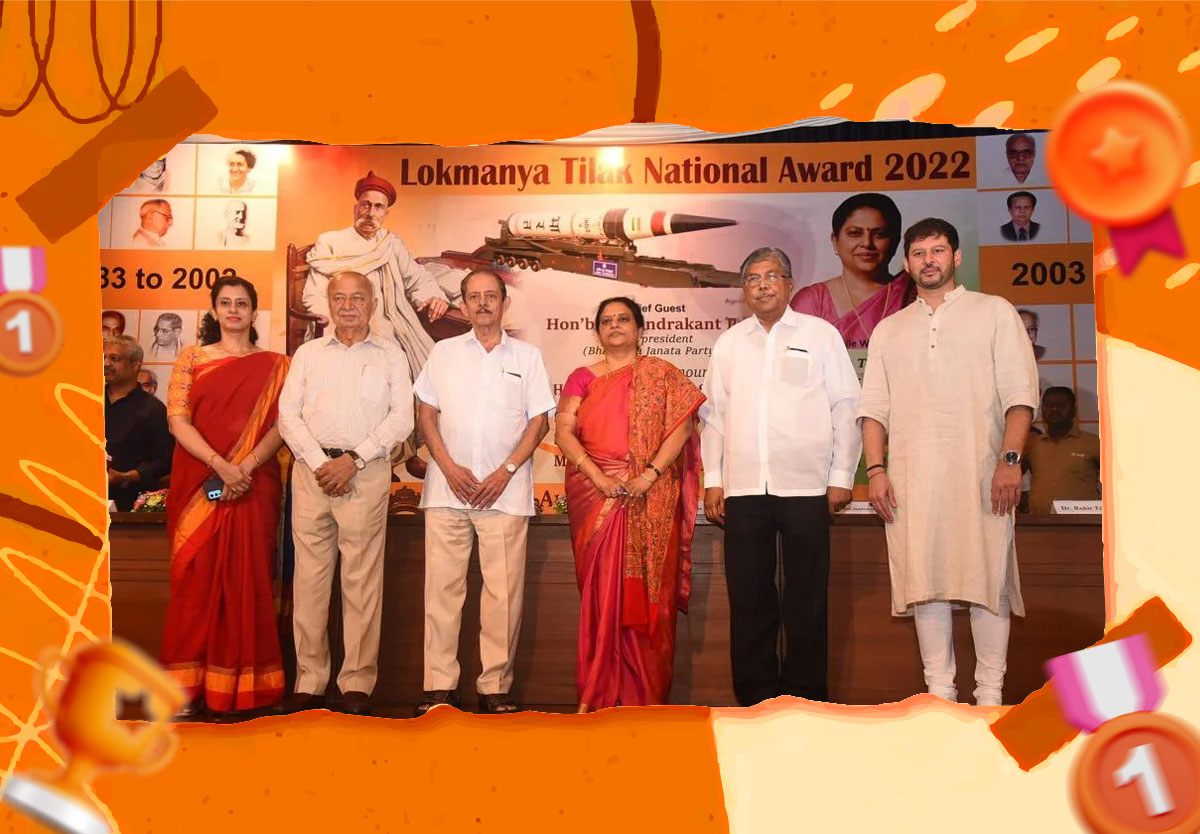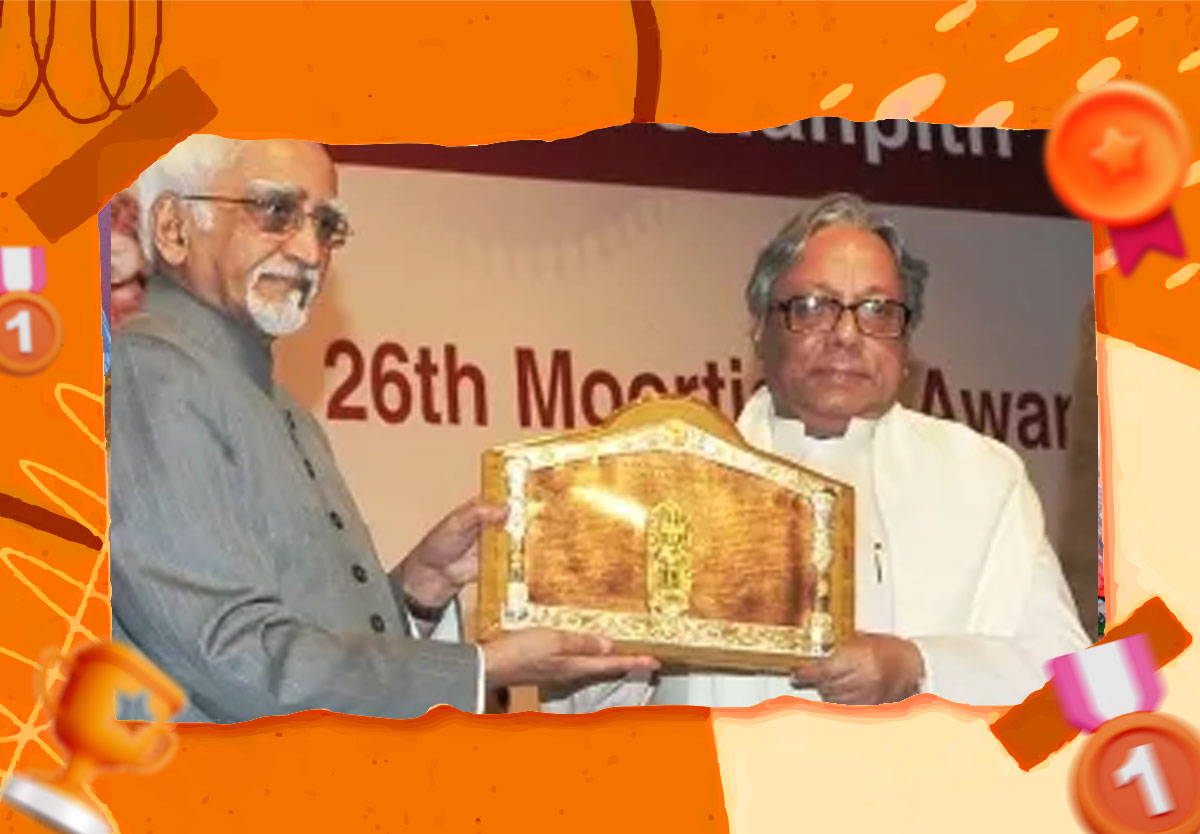
|
2025
|
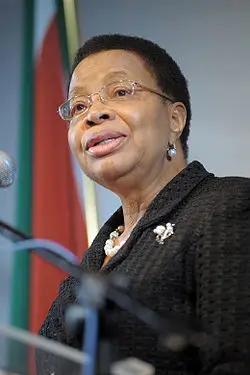
Graça Machel
|
male
|
Mozambican politician, humanitarian, and children's rights advocate
|
Mozambique
|
|
|
Former Mozambican freedom fighter and Minister of Education and Culture (1975-1989); the only woman to have been First Lady of two nations (Mozambique, then South Africa as wife of Nelson Mandela). Founder of the Foundation for Community Development and a founding member of The Elders. Won the Indira Gandhi Prize for 2025 (conferred January 2026) for lifelong contributions to human rights, self-rule struggles, and child welfare advocacy.
|
|
2024
|
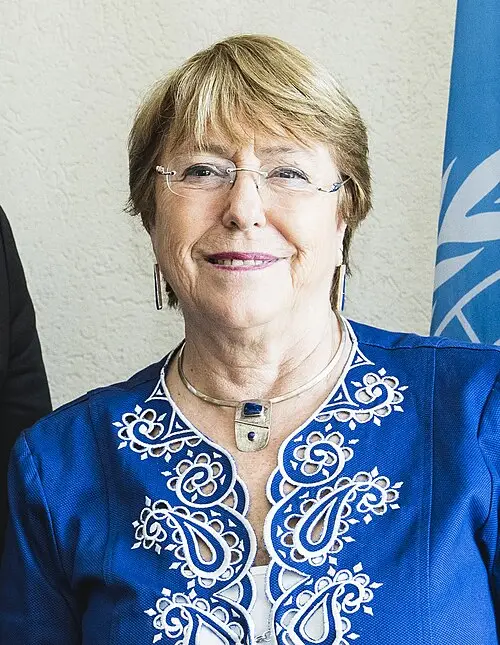
Michelle Bachelet
|
female
|
Physician, epidemiologist, and politician
|
Chile
|
|
|
First female President of Chile, serving two non-consecutive terms (2006-2010, 2014-2018); trained as a pediatrician and public-health physician. Later led UN Women and served as UN High Commissioner for Human Rights (2018-2022). Awarded the Indira Gandhi Prize for 2024 for her leadership in democracy, human rights, and gender equality.
|
|
2023
|
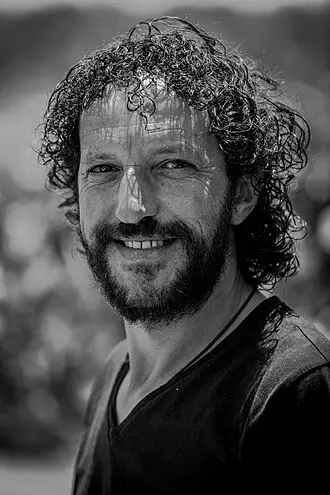
Ali Abu Awwad
|
male
|
Palestinian peace and nonviolence activist
|
Palestine
|
|
|
Founder of Taghyeer ("Change") and co-founder of Roots/Judur/Shorashim, movements promoting Palestinian-Israeli nonviolent reconciliation. A former prisoner who turned to nonviolence after his brother was killed, he authored "Painful Hope." Jointly awarded the Indira Gandhi Prize for 2023 (with Daniel Barenboim) for promoting peace and understanding between Israelis and Palestinians.
|
|
2023
|
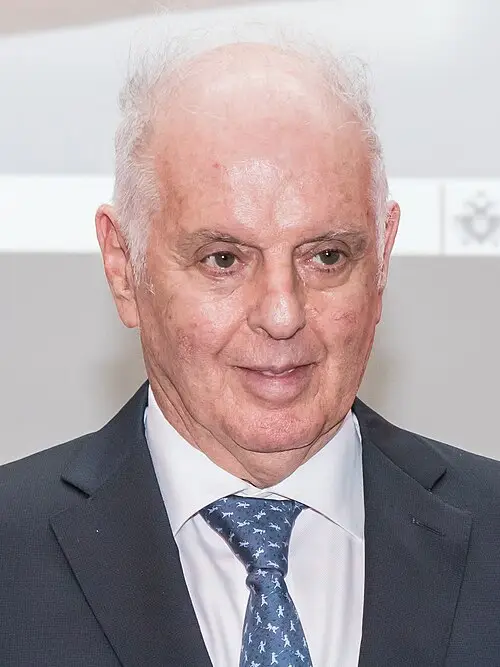
Daniel Barenboim
|
male
|
Argentine-Israeli classical pianist and conductor
|
Argentina
|
|
|
World-renowned pianist and conductor, co-founder (with Edward Said) of the West-Eastern Divan Orchestra, which brings together young Israeli, Palestinian, and Arab musicians. Former music director at La Scala and the Berlin State Opera. Jointly awarded the Indira Gandhi Prize for 2023 (with Ali Abu Awwad) for using music as a bridge for Israeli-Palestinian dialogue and reconciliation.
|
|
2022
|
Indian Medical Association (IMA) and Trained Nurses Association of India
|
|
National voluntary professional association of physicians (registered society)
|
India
|
|
|
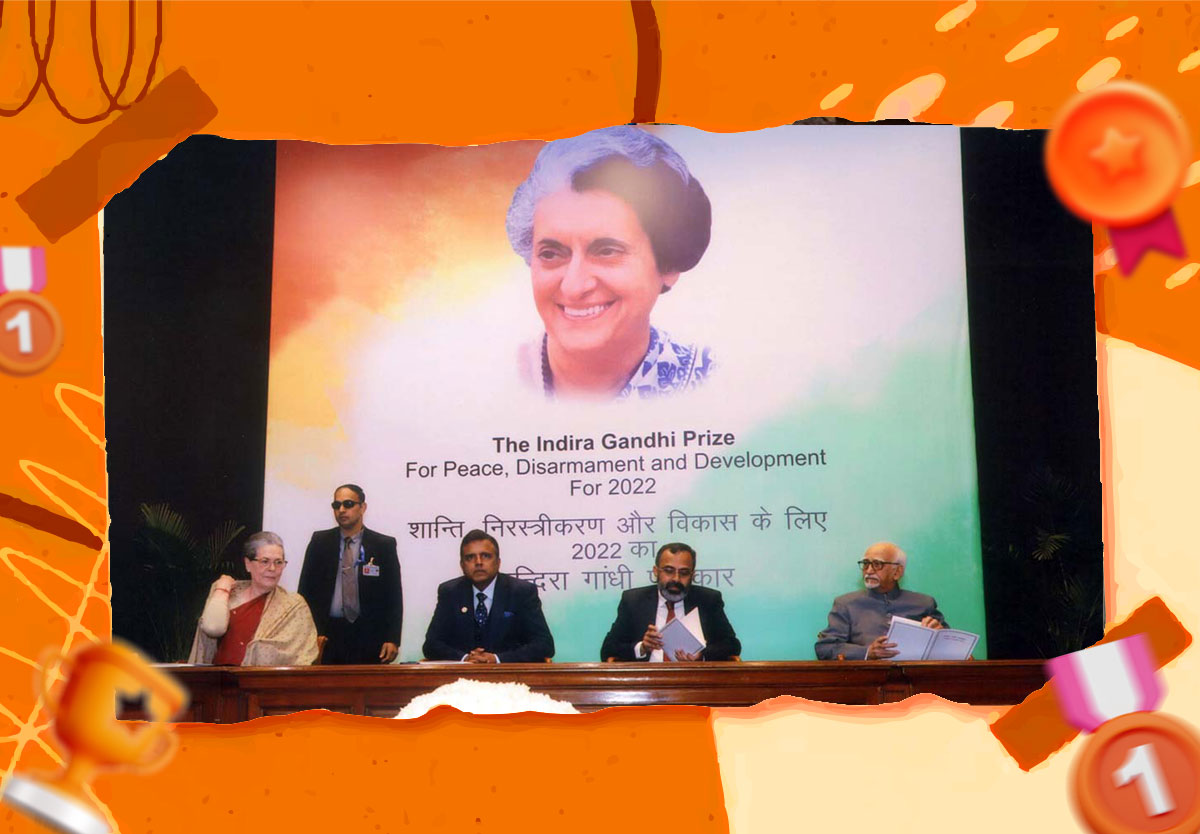
India's largest voluntary organization of doctors, with roughly 1,700 local branches, representing physicians' professional interests and advocating for medical standards nationwide. Jointly awarded the Indira Gandhi Prize for 2022 (with the Trained Nurses Association of India) honoring doctors, nurses, paramedics, and healthcare workers for their service during the COVID-19 pandemic.
|
|
2022
|
Trained Nurses Association of India (TNAI)
|
|
National professional nursing association
|
India
|
|
|
India's oldest and largest professional body of nurses, working to uphold nursing standards, improve nursing education and services, and protect nurses' professional and welfare interests. Jointly awarded the Indira Gandhi Prize for 2022 (with IMA) recognizing India's nursing workforce for frontline service during the COVID-19 pandemic.
|

|
2021
|
Pratham
|
|
Non-governmental, not-for-profit education organization
|
India
|
|
|
Founded by Madhav Chavan and Farida Lambay with the mission "Every Child in School and Learning Well." One of India's largest NGOs, known for its low-cost, scalable learning interventions and the annual ASER education survey. Awarded the Indira Gandhi Prize for 2021 for its transformative contribution to children's education across India.
|
|
2019
|
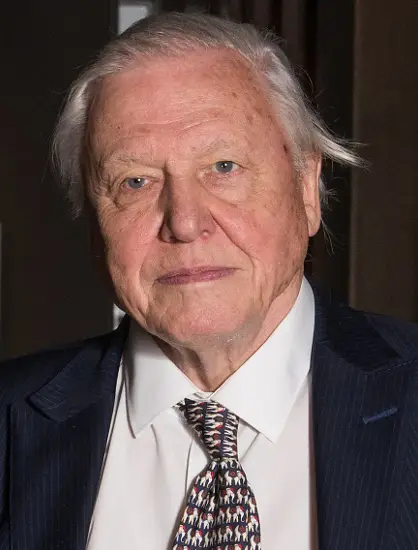
Sir David Frederick Attenborough
|
male
|
Broadcaster, biologist, and natural historian
|
United Kingdom
|
|
|
Legendary BBC broadcaster and documentarian famed for landmark natural history series including "Life on Earth," "Blue Planet," and "Planet Earth," spanning over seven decades of environmental storytelling. Awarded the Indira Gandhi Prize for 2019 for his lifelong work raising global awareness of environmental conservation and the natural world.
|

|
2018
|
Centre for Science and Environment
|
male
|
Not-for-profit public interest research and advocacy organization
|
India
|
|
|
Founded by Anil Agarwal as a think tank on environment-development issues in India, publishing the magazine "Down to Earth" and campaigning on pollution, food safety, and climate policy. Awarded the Indira Gandhi Prize for 2018 for its research-driven environmental advocacy and influence on Indian environmental policy.
|
|
2017
|
|
male
|
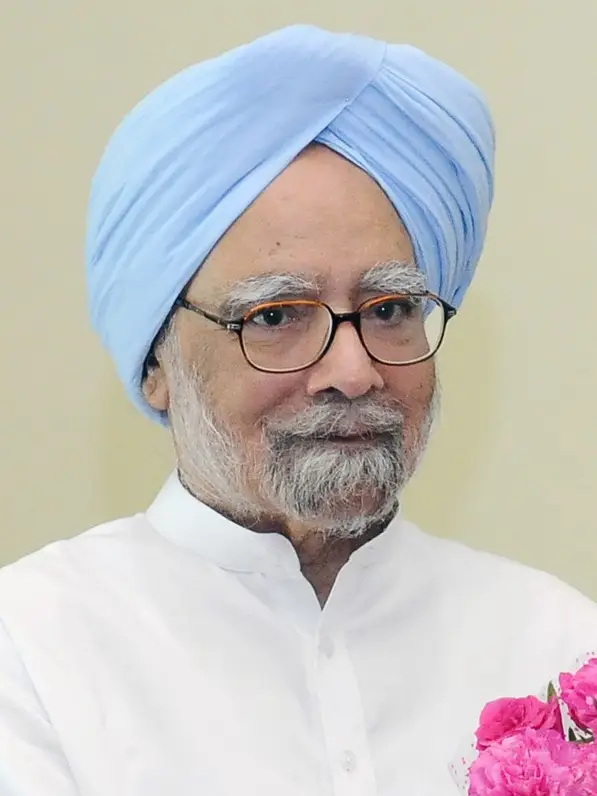
Economist and politician
|
India
|
|
|
Former Prime Minister of India (2004-2014), earlier Finance Minister (1991-1996) credited with liberalizing India's economy, and former Governor of the Reserve Bank of India. An Oxford-trained economist known for technocratic, reform-oriented governance. Awarded the Indira Gandhi Prize for 2017 for his contributions to India's economic development and governance.
|

|
2015
|
UNHCR
|
|
United Nations humanitarian agency
|
United Nations
|
|
|
UN agency mandated to protect refugees, forcibly displaced communities, and stateless people worldwide, providing emergency relief, legal protection, and long-term solutions such as resettlement. Winner of two Nobel Peace Prizes. Awarded the Indira Gandhi Prize for 2015 for its decades of humanitarian work aiding refugees globally.
|

|
2014
|
Indian Space Research Organisation
|
|
National space agency (under Department of Space, Government of India)
|
India
|
|
|
India's national space agency, founded by Vikram Sarabhai, responsible for the country's satellite, launch vehicle, and interplanetary missions including Chandrayaan and Mangalyaan. Awarded the Indira Gandhi Prize for 2014 for its contributions to India's development through space technology applied to communication, agriculture, and disaster management.
|
|
2013
|
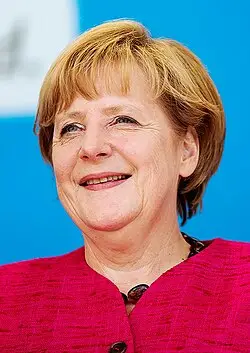
Angela Merkel
|
female
|
Politician, former Chancellor of Germany, physicist by training
|
Germany
|
|
|
Angela Merkel served as Chancellor of Germany from 2005 to 2021, the first woman to hold the office, and was a leading figure in EU crisis management, climate diplomacy, and the European response to the 2015 refugee crisis. She won the Indira Gandhi Prize for Peace, Disarmament and Development in 2013, recognized for her leadership in strengthening international cooperation and democratic values.
|
|
2012
|
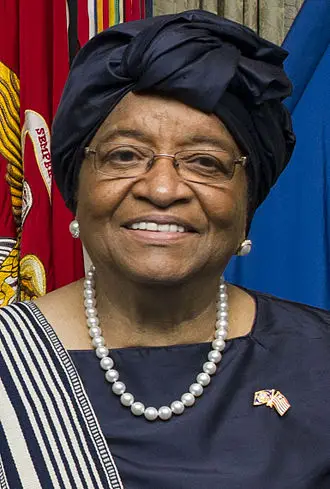
Ellen Johnson Sirleaf
|
female
|
Politician, economist; 24th President of Liberia
|
Liberia
|
|
|
Ellen Johnson Sirleaf was Africa's first elected female head of state, serving as President of Liberia from 2006 to 2018, and shared the 2011 Nobel Peace Prize for her work advancing women's rights and peacebuilding after Liberia's civil war. She won the Indira Gandhi Prize for Peace, Disarmament and Development in 2012, honoring her role in Liberia's post-conflict reconstruction and democratic consolidation.
|
|
2011
|
|
female
|
Cooperative organizer, lawyer, activist
|
India
|
|
|
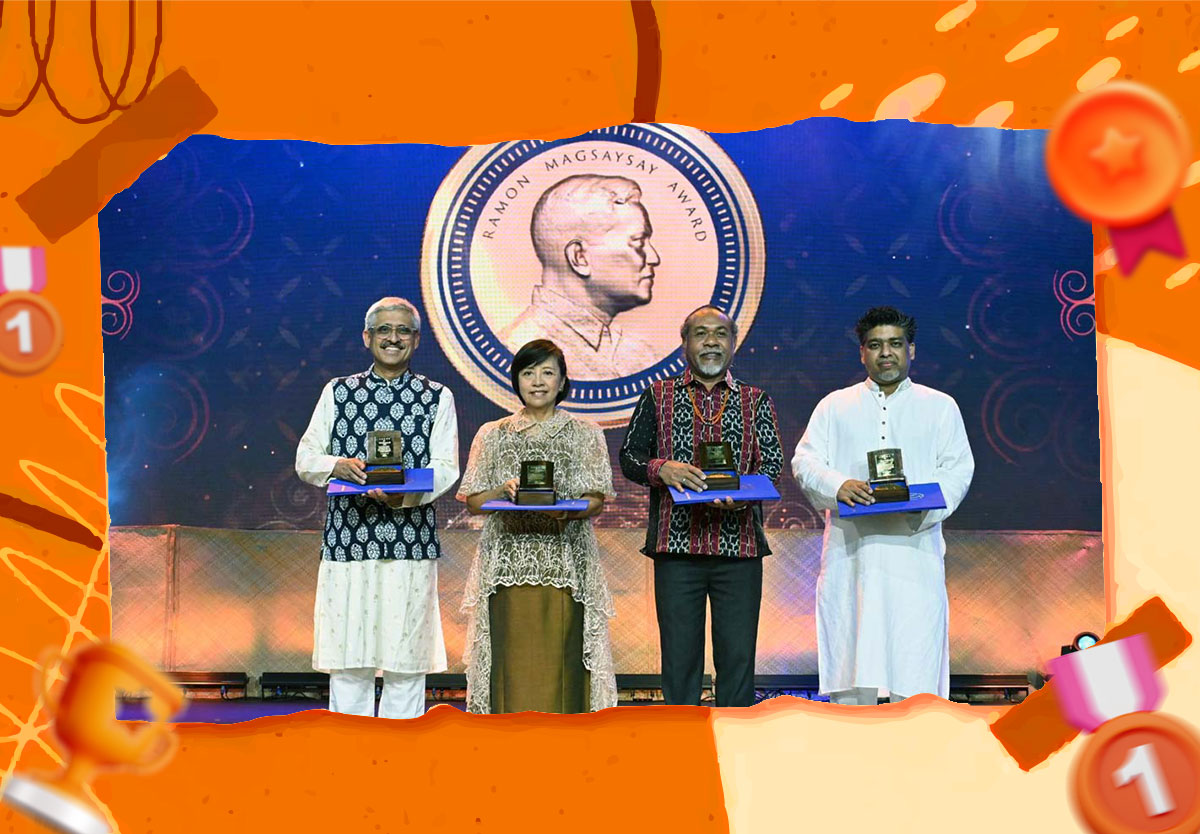
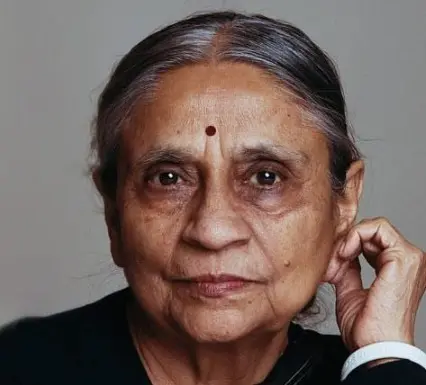
Indian Gandhian labor organizer who founded the Self-Employed Women's Association (SEWA) in 1972 to organize and protect informal/self-employed women workers, serving as general-secretary until 1996. Co-founded Women's World Banking (1979). Won the 1977 Magsaysay Award for Community Leadership. Also received the Right Livelihood Award and Padma Bhushan for empowering over a million poor Indian women.
|
|
2010
|
|
male
|
President of Brazil (former metalworker/trade unionist and politician)
|
Brazil
|
|
|
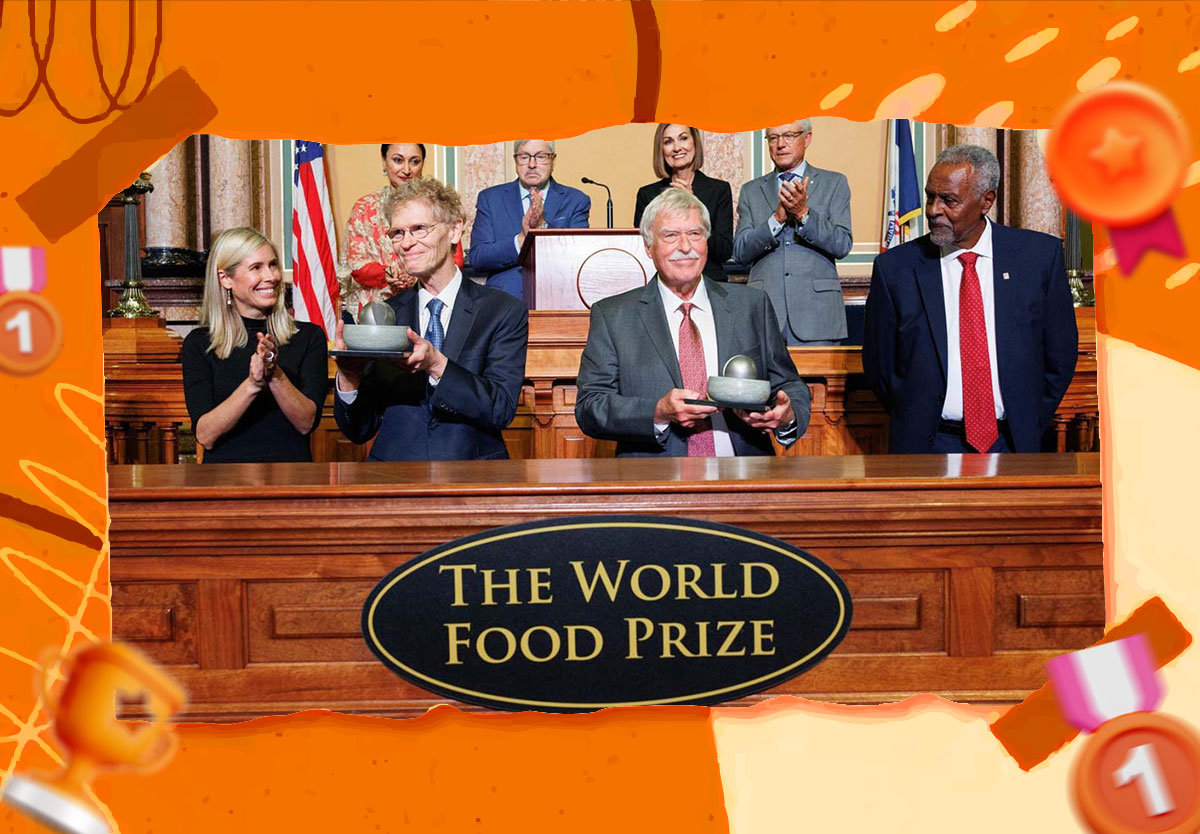
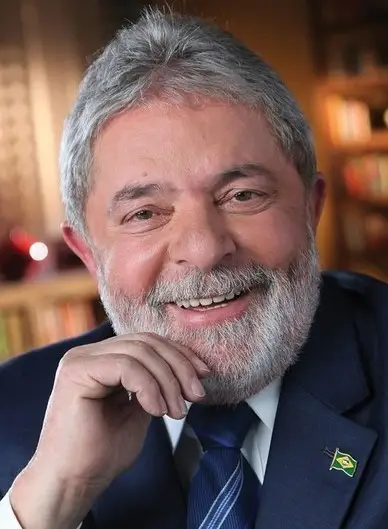
A former metalworker and union leader who co-founded Brazil's Workers' Party, Lula served as President from 2003-2010 (and again from 2023), lifting millions out of poverty through programs like Bolsa Familia and Fome Zero (Zero Hunger). He shared the 2011 World Food Prize with John Kufuor for national leadership combating hunger, and was separately named the UN World Food Programme's 'World Champion in the Fight against Hunger' in 2010.
|
|
2009
|
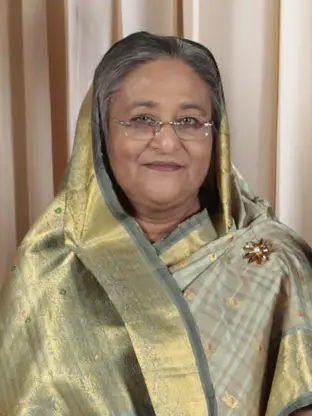
Sheikh Hasina
|
female
|
Politician; former Prime Minister of Bangladesh
|
Bangladesh
|
|
|
Sheikh Hasina, daughter of Bangladesh's founding leader Sheikh Mujibur Rahman, served as Prime Minister of Bangladesh across multiple terms (1996-2001, 2009-2024) before being ousted amid mass protests in August 2024. She won the Indira Gandhi Prize for Peace, Disarmament and Development in 2009, cited for her contributions to peace, democracy and development in South Asia.
|
|
2008
|
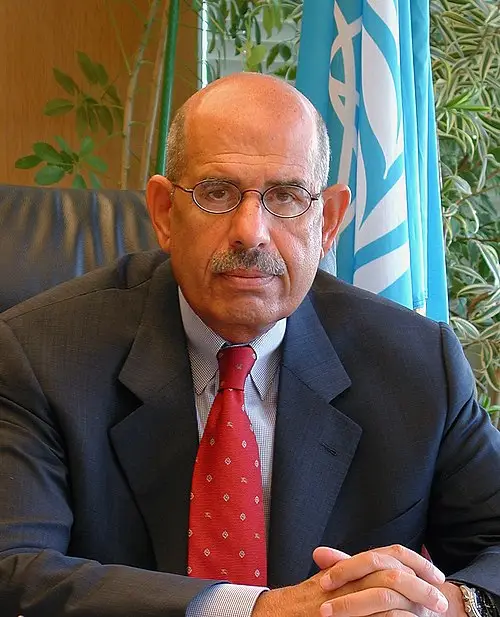
Mohamed ElBaradei
|
male
|
Diplomat, lawyer; former Director General of the IAEA
|
Egypt
|
|
|
Mohamed ElBaradei, an Egyptian diplomat and international law scholar, served as Director General of the International Atomic Energy Agency from 1997 to 2009 and shared the 2005 Nobel Peace Prize with the IAEA for efforts to prevent nuclear weapons proliferation. He won the Indira Gandhi Prize for Peace, Disarmament and Development in 2008, honoring his leadership on nuclear non-proliferation and disarmament.
|
|
2007
|
Bill & Melinda Gates Foundation
|
|
Private charitable foundation
|
United States
|
|
|
Founded by Bill and Melinda Gates, it is one of the world's largest private philanthropic organizations, focused on global health, poverty alleviation, education and agricultural development. It won the Indira Gandhi Prize for Peace, Disarmament and Development in 2007, recognized for its major global efforts combating disease and poverty, particularly in developing countries.
|
|
2006
|
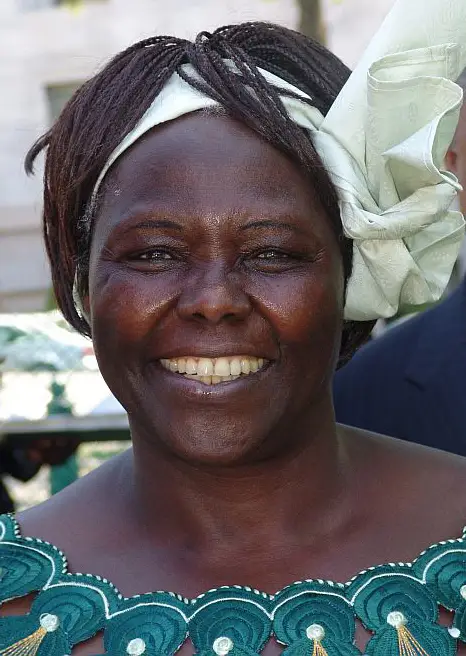
Wangari Maathai
|
female
|
Environmental and political activist, academic
|
Kenya
|
|
|
Wangari Maathai was a Kenyan biologist and activist who founded the Green Belt Movement in 1977, promoting environmental conservation and women's empowerment through tree-planting, and became the first African woman to win the Nobel Peace Prize (2004). She won the Indira Gandhi Prize for Peace, Disarmament and Development in 2006, recognized for her pioneering work linking environmental sustainability with peace and development.
|
|
2005
|
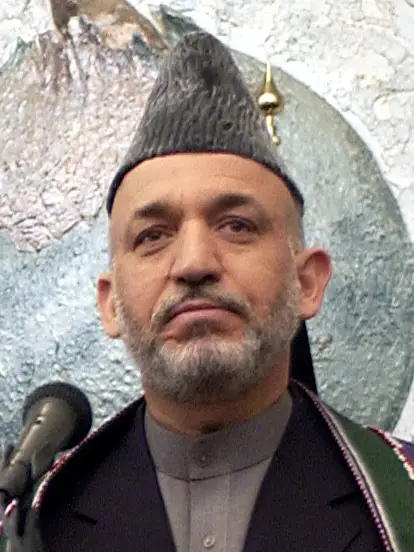
Hamid Karzai
|
male
|
Politician; 12th President of Afghanistan
|
Afghanistan
|
|
|
Hamid Karzai led Afghanistan as interim leader and then President from 2001 to 2014 following the fall of the Taliban, overseeing the country's post-war reconstruction and new constitution. He won the Indira Gandhi Prize for Peace, Disarmament and Development in 2005, recognized for his efforts to rebuild Afghanistan and promote peace and stability in the region.
|
|
2004
|
Her Royal Highness Princess Maha Chakri Sirindhorn
Also won:
Padma Bhushan (2017) |
female
|
|
Thailand
|
|
|
2003
|
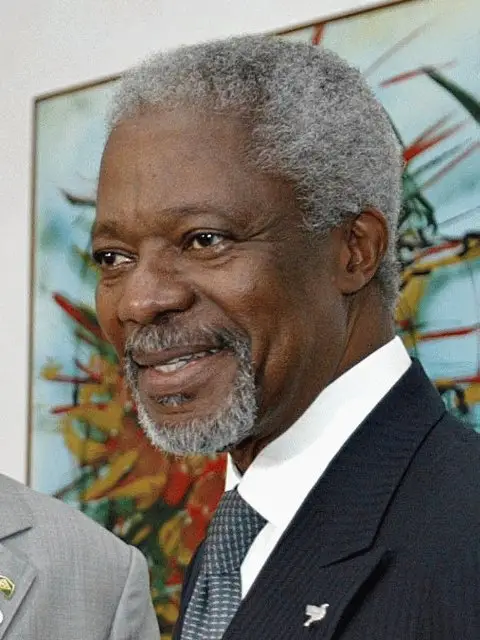
Kofi Annan
|
male
|
Diplomat; 7th Secretary-General of the United Nations
|
Ghana
|
|
|
Kofi Annan, a Ghanaian diplomat, served as UN Secretary-General from 1997 to 2006 and shared the 2001 Nobel Peace Prize with the UN for revitalizing the organization and prioritizing human rights and conflict prevention. He, jointly with the United Nations, won the Indira Gandhi Prize for Peace, Disarmament and Development in 2003, recognized for global leadership on peace, development and multilateralism.
|
|
2002
|
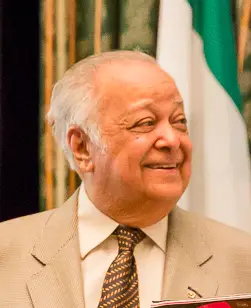
Shridath Ramphal
|
male
|
Lawyer, diplomat, statesman
|
Guyana
|
|
|
Shridath "Sonny" Ramphal, a Guyanese statesman, served as the second Commonwealth Secretary-General from 1975 to 1990, championing decolonization, sanctions against apartheid South Africa, and North-South development dialogue. He won the Indira Gandhi Prize for Peace, Disarmament and Development in 2002, recognized for his lifelong contributions to international cooperation and Commonwealth development diplomacy.
|
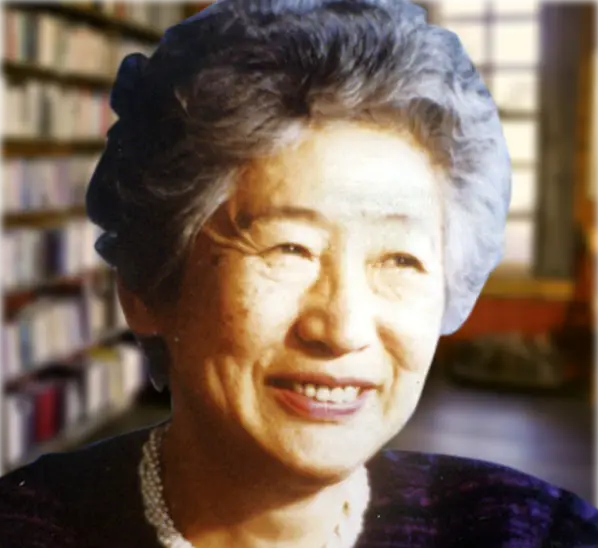
|
2001
|
|
female
|
Diplomat, academic, and administrator
|
Japan
|
|
|
A Japanese scholar and diplomat, Ogata was the first woman to serve as UN High Commissioner for Refugees (1991-2000), leading responses to crises in Iraq, the Balkans, Rwanda, and Afghanistan while expanding UNHCR's mandate to internally displaced persons. Known as the diminutive giant, she won the 1997 Ramon Magsaysay Award for her leadership in humanitarian refugee protection.
|

|
2000
|
Mary Robinson
|
female
|
Lawyer, politician; 7th President of Ireland
|
Ireland
|
|
|
Mary Robinson was the first woman President of Ireland (1990-1997) and later served as UN High Commissioner for Human Rights (1997-2002), becoming a prominent global advocate for human rights and climate justice. She won the Indira Gandhi Prize for Peace, Disarmament and Development in 2000, recognized for her contributions to human rights and international development.
|
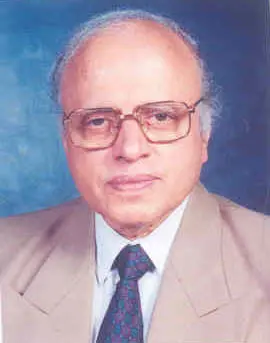
|
1999
|
|
male
|
Agricultural scientist and geneticist
|
India
|
|
|
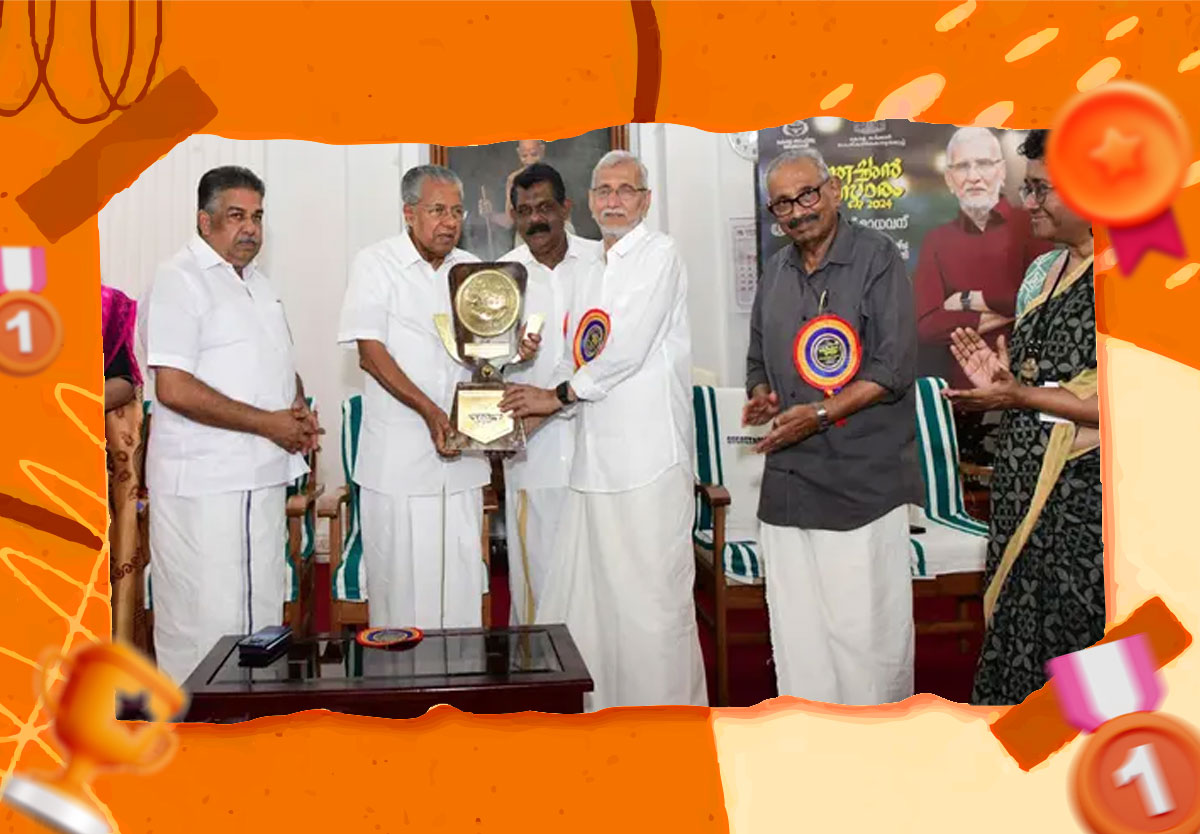
Swaminathan was an Indian agronomist, geneticist and administrator, who was as a global leader of the green revolution. He was one of the major architects of green revolution in India known for his leadership and role in introducing and further developing high-yielding varieties of wheat and rice.
|
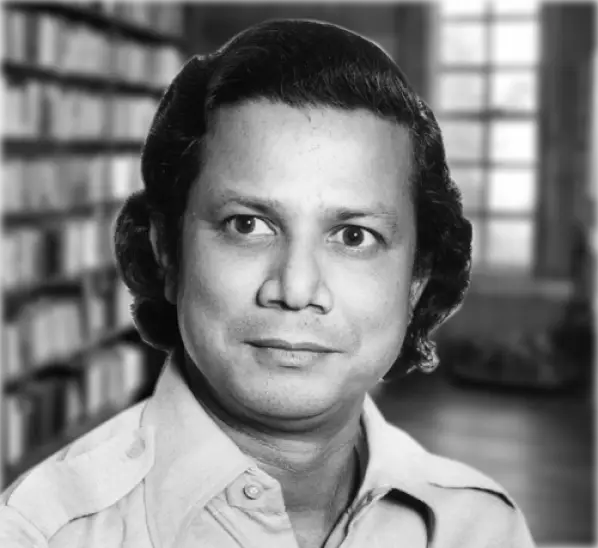
|
1998
|
|
male
|
Economist and banker
|
Bangladesh
|
|
|
Bangladeshi economist who pioneered microcredit, founding Grameen Bank in 1983 to extend small collateral-free loans to the rural poor, reaching over 100,000 villagers by the time of his award. He won the 1984 Ramon Magsaysay Award for Community Leadership, and later the 2006 Nobel Peace Prize. He also served as Bangladesh's Chief Adviser (interim head of government) from 2024-2026.
|
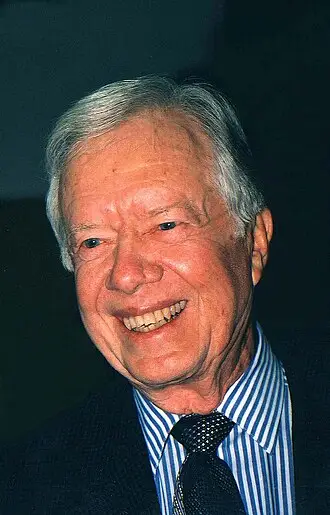
|
1997
|
Jimmy Carter
|
male
|
Politician, peanut farmer, humanitarian, author
|
United States
|
|
|
Carter served as the 39th U.S. President (1977-1981), negotiating the Camp David Accords between Israel and Egypt. After leaving office he founded the Carter Center, monitoring elections and fighting disease worldwide, work that earned him the 2002 Nobel Peace Prize. He received the Indira Gandhi Prize for Peace, Disarmament and Development in 1997, recognizing his global peacemaking and humanitarian efforts.
|

|
1996
|
Médecins Sans Frontières
|
|
International humanitarian medical non-governmental organization
|
France
|
|
|
Founded by French doctors and journalists, including Bernard Kouchner, after the Biafran conflict, MSF delivers emergency medical care regardless of race, religion, or politics, operating in conflict zones and disaster areas worldwide. It won the 1999 Nobel Peace Prize. MSF received the Indira Gandhi Prize for Peace, Disarmament and Development in 1996, recognizing its impartial, life-saving humanitarian medical relief around the globe.
|
|
1995
|
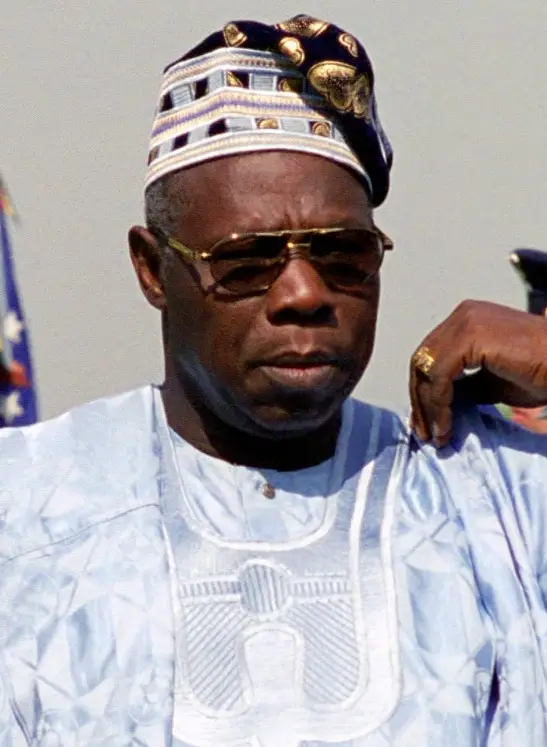
Olusegun Obasanjo
|
male
|
Former military officer and politician; farmer, author
|
Nigeria
|
|
|
Obasanjo was Nigeria's military head of state (1976-1979) and later its elected civilian President (1999-2007), overseeing a democratic transition, economic reforms, and regional peacekeeping in Sierra Leone and Liberia; he also chaired the African Union (2004-2006). A leading African statesman, he received the Indira Gandhi Prize for Peace, Disarmament and Development in 1995 for his contributions to democracy and peace in Africa.
|
|
1994
|
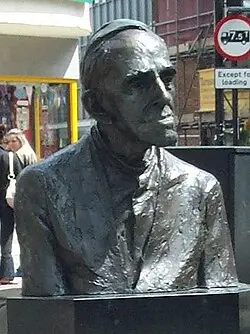
Trevor Huddleston
|
male
|
Anglican bishop, anti-apartheid activist
|
United Kingdom
|
|
|
Huddleston spent over a decade as a priest in Sophiatown, South Africa, becoming one of apartheid's fiercest clerical opponents; he later served as Bishop of Stepney and president of the Anti-Apartheid Movement from 1981. He mentored musician Hugh Masekela and was close to Nelson Mandela. He received the Indira Gandhi Prize for Peace, Disarmament and Development in 1994, honoring his lifelong struggle against racial injustice in South Africa.
|
|
1993
|
Václav Havel
|
male
|
Playwright, dissident, statesman
|
Czechia
|
|
|
Havel was a Czech playwright whose absurdist plays and human-rights activism made him a leading voice against communist rule; repeatedly imprisoned, he became the last President of Czechoslovakia (1989-1992) after the Velvet Revolution and the first President of the Czech Republic (1993-2003). He received the Indira Gandhi Prize for Peace, Disarmament and Development in 1993, recognizing his peaceful leadership of Central Europe's democratic transition.
|
|
1992
|
|
male
|
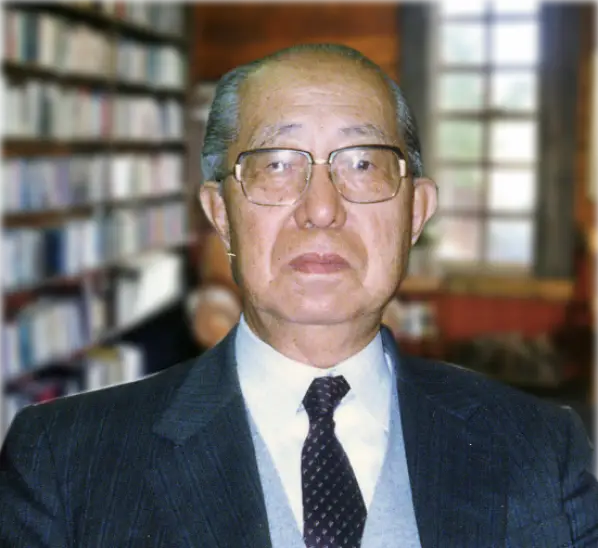
Economist, economic planner, and diplomat
|
Japan
|
|
|
A leading architect of Japan's postwar economic recovery, Okita helped design PM Ikeda's Income Doubling Plan and later headed the Japan Center for Economic Research. He won the 1971 Magsaysay Award for International Understanding. He served as Japan's Foreign Minister (1979-1980), the only academic to hold that post, and later proposed a Japanese Marshall Plan (1986) to aid developing nations.
|
|
1991
|
|
male
|
Politician (Prime Minister of India)
|
India
|
|
|
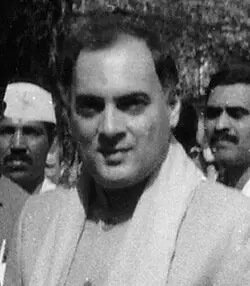
Rajiv Gandhi was a pilot turned politician, who served as the sixth Prime Minister of India serving from 1984 to 1989.
|
|
1990
|
Sam Nujoma
|
male
|
Revolutionary leader, politician; first President of Namibia
|
Namibia
|
|
|
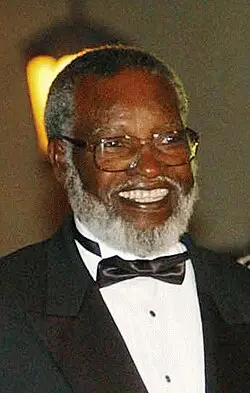
Nujoma founded and led SWAPO in Namibia's independence struggle against South African rule, becoming the country's first President when it gained independence in 1990, serving until 2005. He pursued national reconciliation and land reform. He received the Indira Gandhi Prize for Peace, Disarmament and Development in 1990, honoring his leadership of Namibia's liberation movement and peaceful transition to independent, democratic statehood.
|

|
1989
|
UNICEF
|
|
United Nations agency
|
United Nations
|
|
|
UNICEF was created to aid children affected by World War II and later became a permanent UN agency focused on child health, nutrition, education, and protection worldwide, winning the 1965 Nobel Peace Prize. It received the Indira Gandhi Prize for Peace, Disarmament and Development in 1989, recognizing its global work safeguarding children's welfare, survival, and development.
|
|
1988
|
Gro Harlem Brundtland
|
female
|
Physician and stateswoman
|
Norway
|
|
|
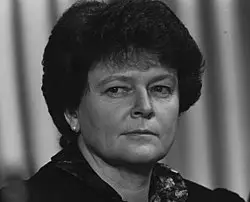
Brundtland, a physician, was Norway's first female Prime Minister across three terms (1981, 1986-1989, 1990-1996) and later WHO Director-General (1998-2003). She chaired the UN World Commission on Environment and Development, whose 1987 report "Our Common Future" popularized the concept of sustainable development. She received the Indira Gandhi Prize for Peace, Disarmament and Development in 1988, honoring her pioneering environmental and development leadership.
|
|
1987
|
Mikhail Gorbachev
|
male
|
Politician; last leader of the Soviet Union
|
Soviet Union
|
|
|
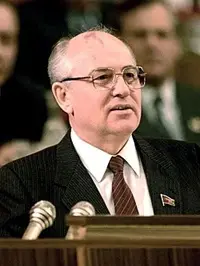
Gorbachev served as General Secretary of the Communist Party (1985-1991) and President of the USSR (1990-1991). His reform policies of glasnost and perestroika transformed Soviet society, and his arms-reduction diplomacy with the United States helped end the Cold War, earning the 1990 Nobel Peace Prize. He received the Indira Gandhi Prize for Peace, Disarmament and Development in 1987, recognizing his early reformist and disarmament initiatives.
|

|
1986
|
Parliamentarians for Global Action
|
|
International non-partisan network of sitting legislators/parliamentarians
|
United States
|
|
|
Established by concerned lawmakers to mobilize legislative action worldwide on nuclear disarmament, later expanding to human rights, democracy, the International Criminal Court, and sustainable development, working across parliaments on multiple continents. It was the inaugural recipient of the Indira Gandhi Prize for Peace, Disarmament and Development in 1986, recognizing parliamentarians' collective action for global peace and disarmament.
|