|
2025
|
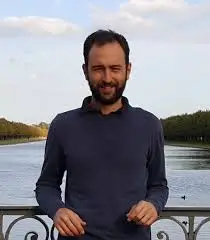
Dr Giuseppe Cannizzaro
|
male
|
Mathematician (probability theory, stochastic PDEs)
|
United Kingdom
|
|
|
Giuseppe Cannizzaro is a mathematician at the University of Warwick specializing in stochastic partial differential equations, known for work on superdiffusivity and Gaussian fluctuations in critical SPDEs. He won the 2025 Adams Prize.
|

|
2025
|
Dr Theo Assiotis
|
male
|
Mathematician (probability theory, random matrix theory)
|
United Kingdom
|
|
|
Theo Assiotis is a mathematician at the University of Edinburgh working in probability theory, specializing in random matrix theory and interacting particle systems. He shared the 2025 Adams Prize with Giuseppe Cannizzaro.
|
|
2024
|
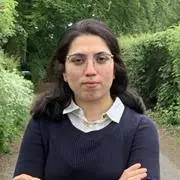
Dr Soheyla Feyzbakhsh
|
female
|
Mathematician (algebraic geometry)
|
Iran
|
|
|
Soheyla Feyzbakhsh is an Iranian-born mathematician at Imperial College London working in algebraic geometry, known for advances in Bridgeland stability conditions and completing aspects of Mukai's program on K3 surfaces.
|

|
2024
|
Professor Nick Sheridan
|
male
|
Mathematician (symplectic geometry, mirror symmetry)
|
United Kingdom
|
|
|
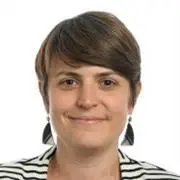
Nick Sheridan is a mathematician at the University of Edinburgh specializing in symplectic geometry and mirror symmetry, known for contributions to homological mirror symmetry for Calabi-Yau varieties and Fukaya categories.
|
|
2023
|
Dr Anne Cori
|
female
|
Mathematician / Epidemiologist (mathematical epidemiology)
|
United Kingdom
|
|
|
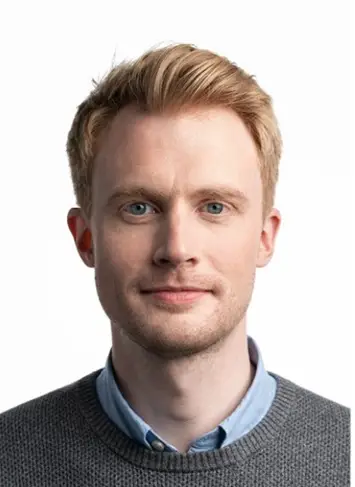
Anne Cori is a mathematical epidemiologist at Imperial College London developing statistical methods for real-time infectious disease transmissibility estimation, including the widely used EpiEstim software, informing COVID-19, Ebola and influenza responses.
|
|
2023
|
Professor Adam Kucharski
|
male
|
Mathematician / Epidemiologist (infectious disease modelling)
|
United Kingdom
|
|
|
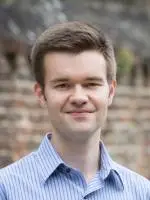
Adam Kucharski is a mathematician and epidemiologist at the London School of Hygiene and Tropical Medicine researching how social behaviour and immunity shape infectious disease transmission, informing epidemic preparedness and outbreak response.
|
|
2022
|
Professor Jack Thorne
|
male
|
Mathematician (number theory)
|
United Kingdom
|
|
|
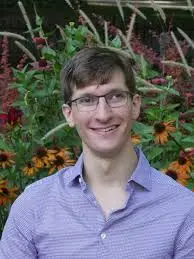
Jack Thorne, born 1987, is a number theorist at the University of Cambridge and Fellow of Trinity College, known for extending the Taylor-Wiles method and proving cases of modularity within the Langlands program.
|
|
2021
|
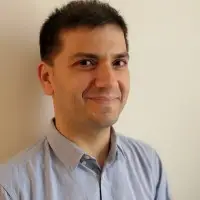
Professor Jeffrey Galkowski
|
male
|
Mathematician (spectral theory, microlocal analysis)
|
United Kingdom
|
|
|
Jeffrey Galkowski is a mathematician at University College London specializing in spectral and scattering theory, microlocal analysis and quantum chaos, known for developing the concept of geodesic beams with Yaiza Canzani.
|
|
2021
|
Professor Mahir Hadžić
|
male
|
Mathematician (partial differential equations, fluid dynamics)
|
Bosnia And Herzegovina
|
|
|
Mahir Hadžić, a Bosnian-born mathematician at University College London, studies nonlinear partial differential equations in compressible fluid dynamics, including long-term behaviour of expanding gas flows and gravitational collapse singularity formation.
|

|
2020
|
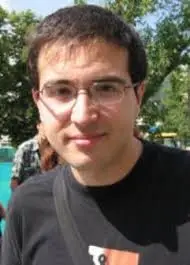
Dr Michael Wemyss
|
male
|
Mathematician (algebraic geometry, noncommutative algebra)
|
United Kingdom
|
|
|
Michael Wemyss is a mathematician at the University of Glasgow working at the interface of noncommutative algebra and algebraic geometry, known for introducing the homological minimal model program and contraction algebras.
|
|
2020
|
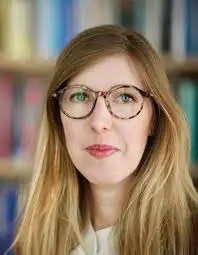
Professor Konstantin Ardakov
|
male
|
Mathematician (number theory, noncommutative Iwasawa theory)
|
United Kingdom
|
|
|
Konstantin Ardakov, born 1979, is a mathematician at the University of Oxford and Fellow of Brasenose College, known for developing p-adic D-module theory and contributions to noncommutative Iwasawa theory with Simon Wadsley.
|
|
2019
|
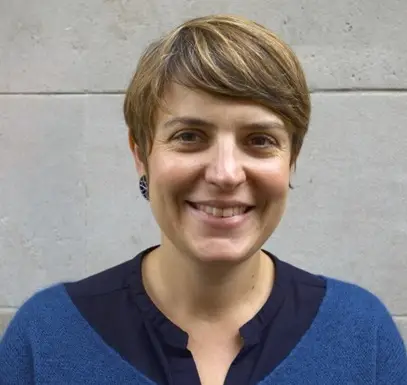
Dr Heather Harrington
|
female
|
Mathematician (applied algebra and topology, systems biology)
|
United States
|
|
|
Heather Harrington, born 1984, is an American mathematician and Director at the Max Planck Institute of Molecular Cell Biology and Genetics, previously at Oxford, working on topological data analysis and systems biology.
|
|
2019
|
Dr Luitgard Veraart
|
male
|
Mathematician (financial mathematics)
|
Germany
|
|
|
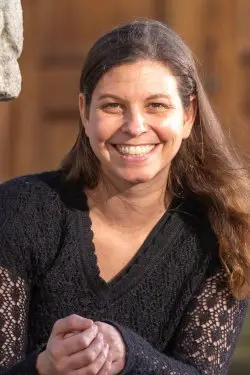
Luitgard Veraart is a German mathematician and professor at the London School of Economics specializing in financial mathematics, developing tools for analysing systemic risk and financial stability in interconnected banking networks.
|
|
2018
|
Dr Claudia de Rham
|
female
|
Physicist (theoretical physics, cosmology)
|
Switzerland
|
|
|
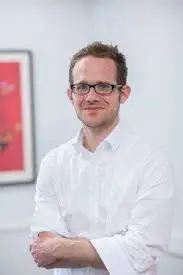
Claudia de Rham, born 1978, is a Swiss theoretical physicist at Imperial College London known for co-developing dRGT massive gravity theory, proposing that the graviton has mass and may explain cosmic dark energy.
|
|
2018
|
Dr Gustav Holzegel
|
male
|
Mathematician (general relativity, partial differential equations)
|
Germany
|
|
|
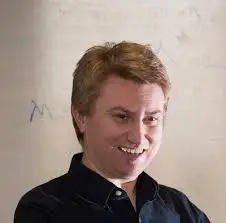
Gustav Holzegel is a German mathematician holding a Humboldt Professorship at the University of Münster, previously at Imperial College London, specializing in general relativity and the rigorous stability analysis of black hole spacetimes.
|
|
2017
|
Professor Graham Cormode
|
male
|
Computer Scientist (algorithms, data streaming)
|
United Kingdom
|
|
|
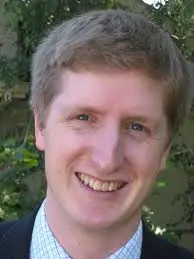
Graham Cormode is a British computer scientist, now Professor of Computer Science at the University of Oxford, previously Warwick, specializing in algorithms for massive data sets and the widely used count-min sketch.
|
|
2017
|
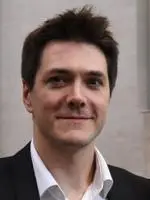
Professor Richard Samworth
|
male
|
Statistician (nonparametric and high-dimensional statistics)
|
United Kingdom
|
|
|
Richard Samworth, born 1978, is a British statistician and Professor of Statistical Science at the University of Cambridge, Director of the Statistical Laboratory, known for work on nonparametric and high-dimensional statistics.
|
|
2016
|
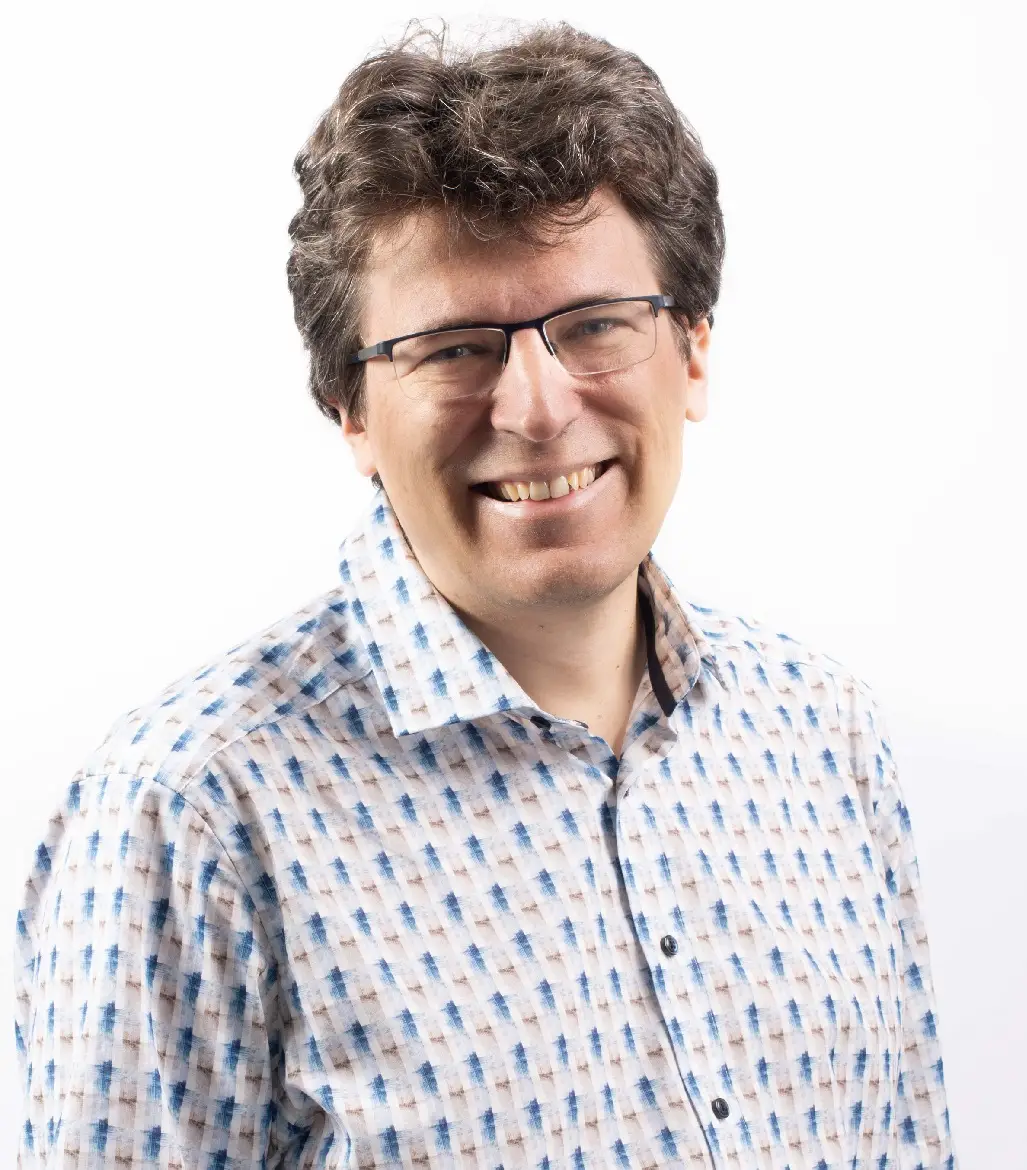
Professor Clement Mouhot
|
male
|
Mathematician (partial differential equations, kinetic theory)
|
France
|
|
|
Clément Mouhot, born 1978, is a French mathematician and professor at the University of Cambridge specializing in partial differential equations and kinetic theory, known for work on Landau damping and the Boltzmann equation.
|
|
2015
|
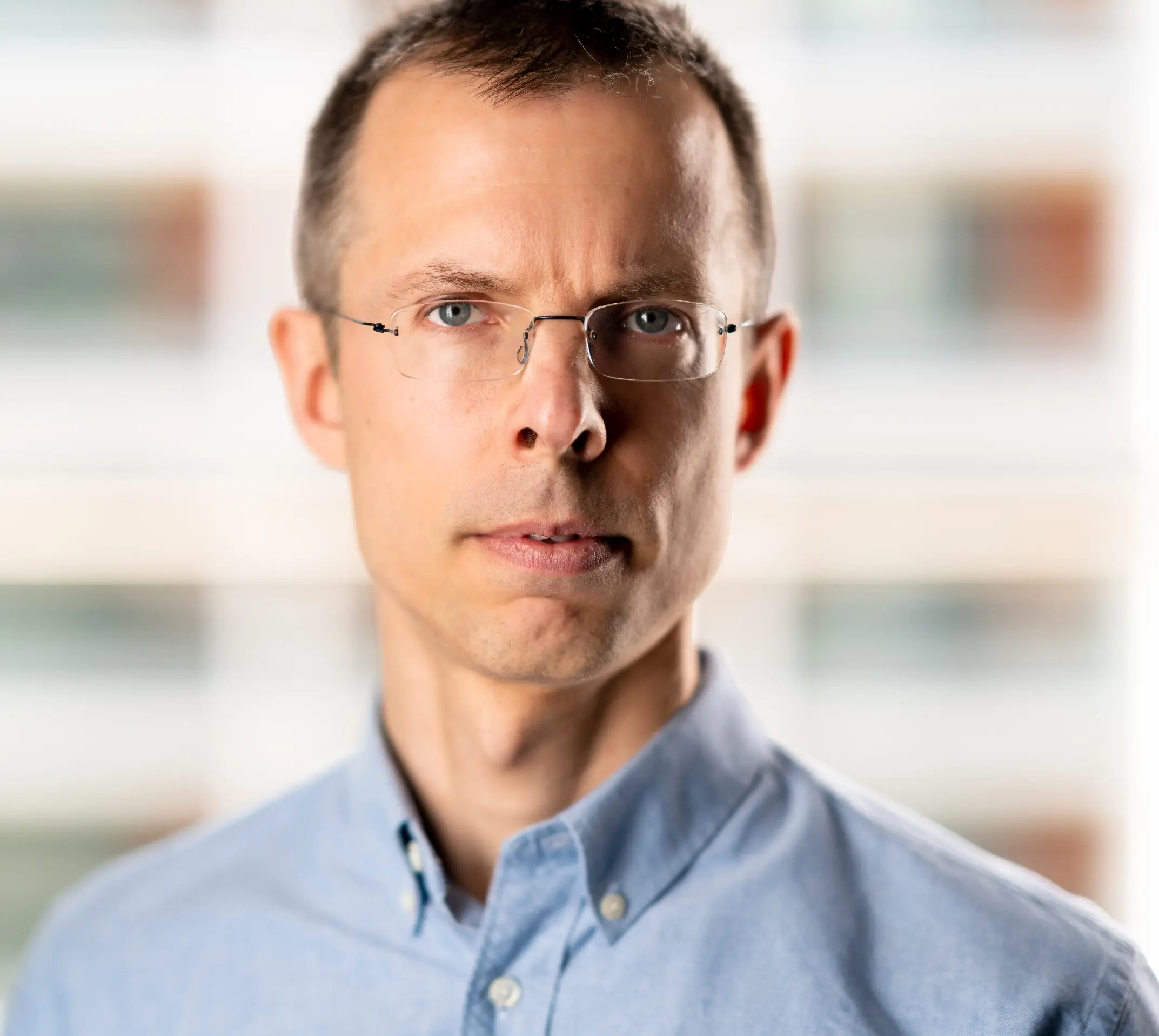
Dr Arend Bayer
|
male
|
Mathematician (algebraic geometry)
|
Germany
|
|
|
Arend Bayer is a German mathematician and professor of algebraic geometry at the University of Edinburgh, known for foundational work on Bridgeland stability conditions, wall-crossing techniques, derived categories and moduli of K3 surfaces.
|
|
2015
|
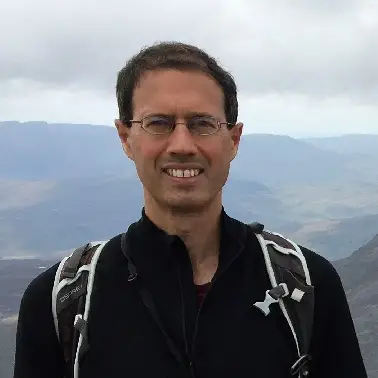
Dr Tom Coates
|
male
|
Mathematician (algebraic geometry, mirror symmetry)
|
United Kingdom
|
|
|
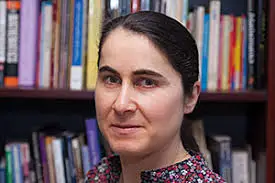
Professor of Mathematics at Imperial College London, working in algebraic geometry. Known for research on mirror symmetry, Gromov-Witten invariants, and classification of Fano varieties; won the 2015 Adams Prize and Whitehead Prize.
|
|
2013
|
Professor Ivan Smith
|
male
|
Mathematician (symplectic topology)
|
United Kingdom
|
|
|
Professor of Mathematics at Cambridge and Fellow of Gonville and Caius College, specializing in symplectic topology. Elected Fellow of the Royal Society in 2023; won the 2013 Adams Prize and 2007 Whitehead Prize.
|
|
2012
|
Dr Françoise Tisseur
|
female
|
Mathematician (numerical linear algebra)
|
France
|
|
|
French-born Professor of Numerical Analysis at the University of Manchester, specializing in numerical linear algebra, nonlinear eigenvalue problems, and structured matrix computations; contributed to LAPACK and MATLAB; won the 2012 Adams Prize.
|

|
2012
|
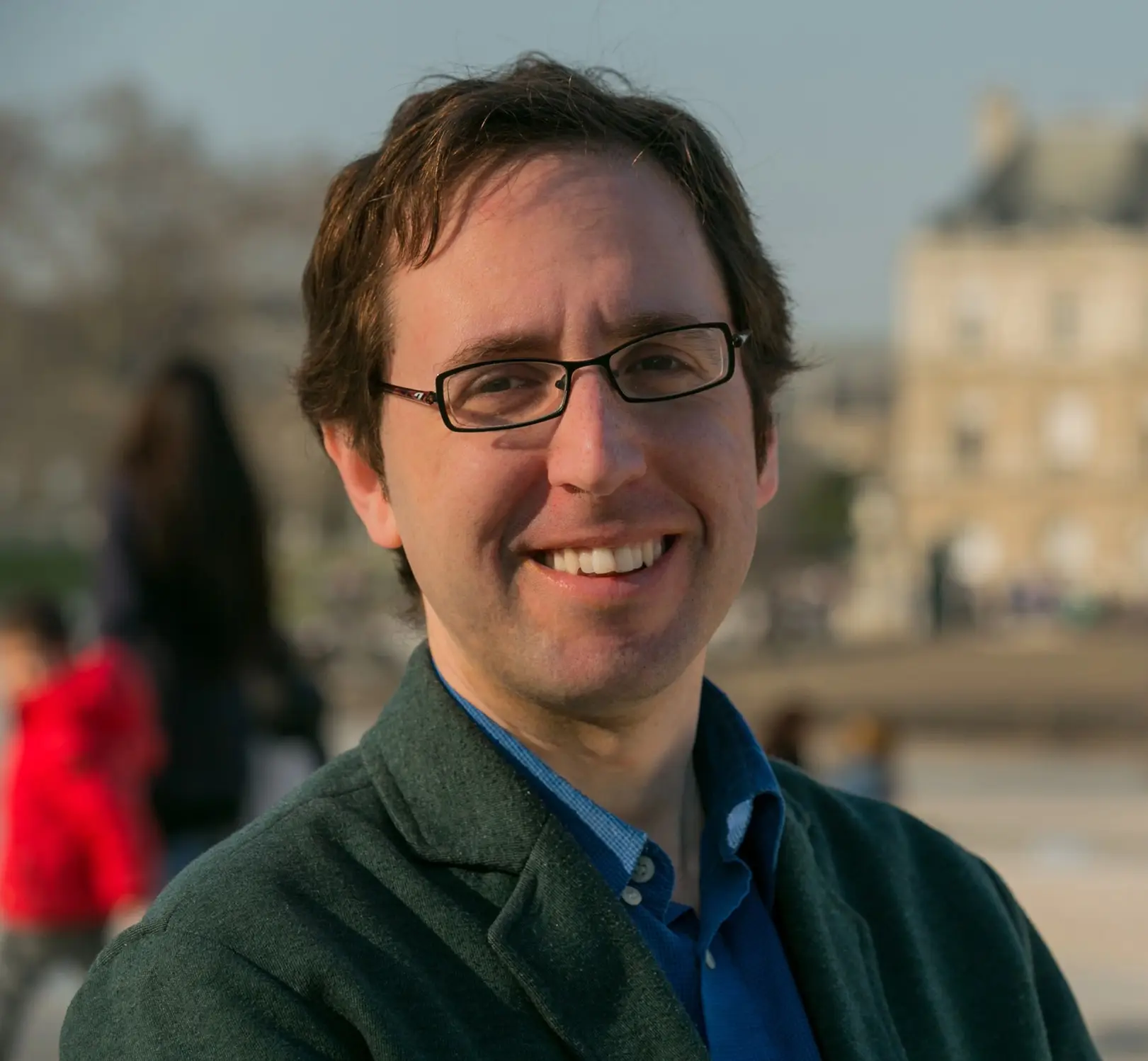
Dr Sheehan Olver
|
male
|
Mathematician (numerical analysis)
|
United Kingdom
|
|
|
Professor of Numerical Analysis at Imperial College London, previously at the University of Sydney and Oxford. Works on Riemann-Hilbert problems, spectral methods, and orthogonal polynomials; shared the 2012 Adams Prize.
|
|
2011
|
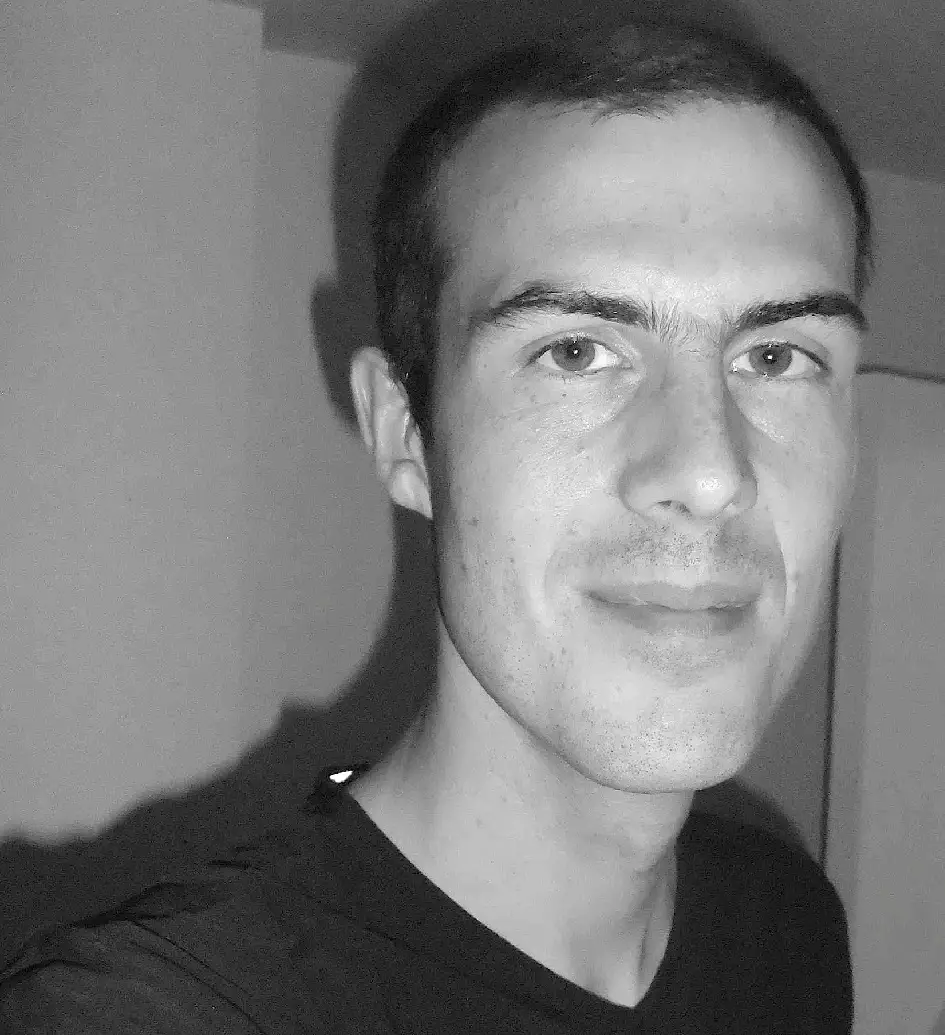
Dr Harald Helfgott
|
male
|
Mathematician (analytic number theory)
|
Peru
|
|
|
Peruvian number theorist and CNRS researcher in Paris, celebrated for his 2013 proof of Goldbach's weak conjecture, that every odd number greater than five is the sum of three primes.
|
|
2011
|
Dr Tom Sanders
|
male
|
Mathematician (additive combinatorics)
|
United Kingdom
|
|
|
Mathematician at the University of Oxford working in additive combinatorics, at the interface of harmonic analysis and analytic number theory; known for improved bounds on arithmetic progressions; shared the 2011 Adams Prize.
|

|
2010
|
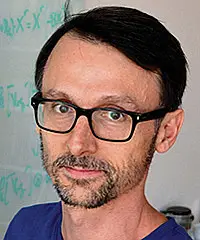
Professor Jacques Vanneste
|
male
|
Applied mathematician (geophysical fluid dynamics)
|
Belgium
|
|
|
Belgian-born Professor of Applied Mathematics at the University of Edinburgh, specializing in geophysical fluid dynamics, multiple time-scale asymptotics, and wave-vortex interactions in oceans and atmospheres; won the 2010 Adams Prize.
|
|
2009
|
Professor Raphaël Rouquier
|
male
|
Mathematician (representation theory)
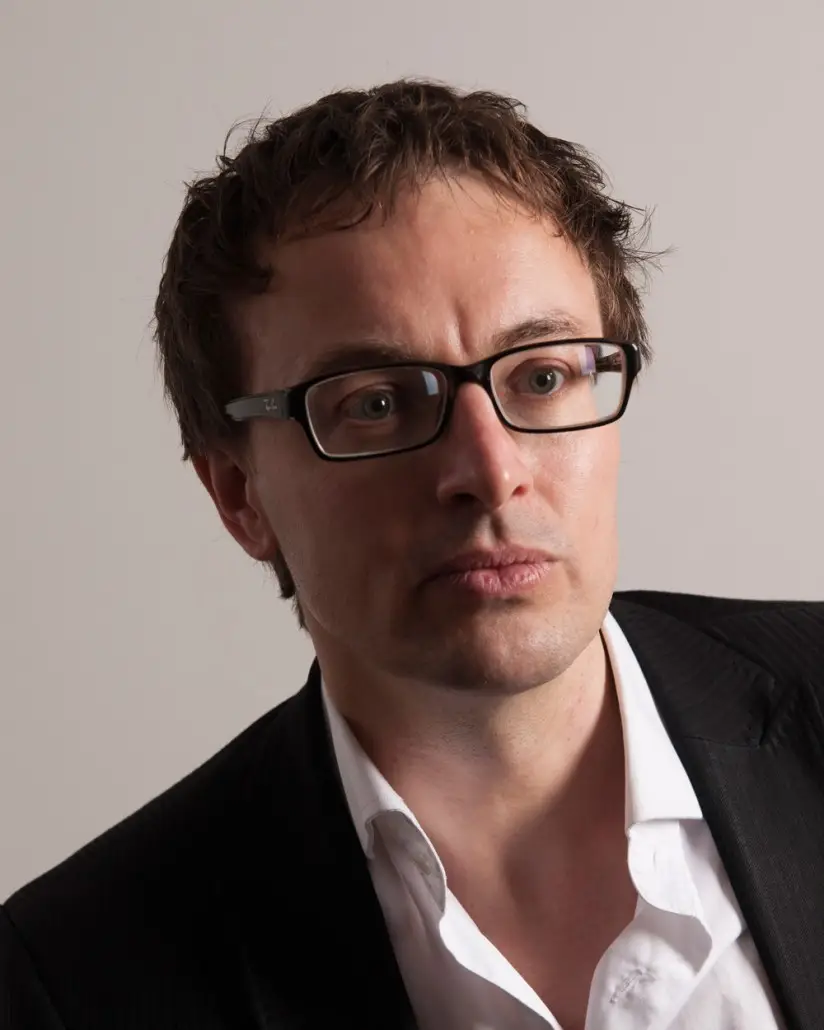
|
France
|
|
|
French mathematician, Professor at UCLA, specializing in representation theory, particularly modular representations of finite groups, braid groups, and categorification; previously held posts at Oxford and Leeds; won the 2009 Adams Prize.
|
|
2008
|
Dr David Tong
|
male
|
Theoretical physicist (quantum field theory)
|
United Kingdom
|
|
|
Professor of Theoretical Physics at the University of Cambridge (DAMTP) and Fellow of Trinity College, working on quantum field theory, solitons, and string theory; won the 2008 Adams Prize.
|

|
2008
|
Professor Tom Bridgeland
|
male
|
Mathematician (algebraic geometry)
|
United Kingdom
|
|
|
Professor of Mathematics at Sheffield and Fellow of the Royal Society, working in algebraic geometry; introduced Bridgeland stability conditions on triangulated categories, linking derived categories and mirror symmetry; shared the 2008 Adams Prize.
|
|
2007
|
Dr Paul Fearnhead
|
male
|
Statistician (computational statistics)
|
United Kingdom
|
|
|
Distinguished Professor of Statistics at Lancaster University, specializing in computational statistics, particularly sequential Monte Carlo methods, changepoint detection, and applications in genetics and epidemiology; won the 2007 Adams Prize.
|

|
2006
|
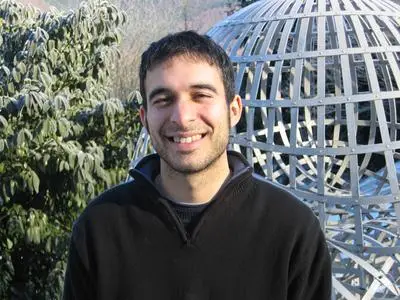
Professor Jonathan Sherratt
|
male
|
Mathematician (mathematical biology)
|
United Kingdom
|
|
|
Professor of Mathematics at Heriot-Watt University, working in mathematical biology; known for reaction-diffusion models of wound healing, vegetation patterning, and predator-prey dynamics in ecology; won the 2006 Adams Prize.
|
|
2005
|
Dr Mihalis Dafermos
|
male
|
Mathematician (general relativity, PDE)
|
Greece
|
|
|
Greek mathematician, Professor at Princeton University and Lowndean Professor of Astronomy and Geometry at Cambridge, working on hyperbolic partial differential equations in general relativity, especially black hole stability; shared the 2005 Adams Prize.
|

|
2005
|
Dr David Stuart
|
male
|
Mathematician (mathematical physics, nonlinear PDE)
|
United Kingdom
|
|
|
Reader in Mathematics at DAMTP, University of Cambridge, and Fellow of St John's College; works on nonlinear PDE, solitons, and stability in Yang-Mills and Einstein field equations; shared the 2005 Adams Prize.
|
|
2004
|
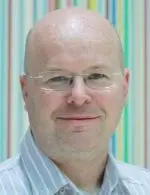
Professor Dominic Joyce
|
male
|
Mathematician (differential geometry)
|
United Kingdom
|
|
|
Professor of Mathematics at the University of Oxford, specializing in differential geometry; known for foundational work on manifolds with special holonomy, Calabi-Yau manifolds, and calibrated geometry; won the 2004 Adams Prize.
|
|
2003
|
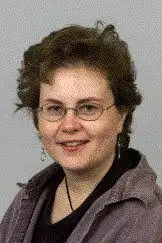
Dr David Hobson
|
male
|
Mathematician (mathematical finance, probability)
|
United Kingdom
|
|
|
Professor of Mathematics at the University of Warwick, working in mathematical finance; known for research on optimal stopping, the Skorokhod embedding problem, and robust option pricing; won the 2003 Adams Prize.
|
|
2002
|
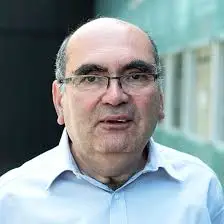
Dr Susan Howson
|
female
|
Mathematician (number theory), later retrained as a physician
|
United Kingdom
|
|
|
British mathematician who worked on algebraic number theory and elliptic curves, particularly Iwasawa theory; held posts at Cambridge, Oxford, MIT, and Nottingham; won the 2002 Adams Prize before retraining as a doctor.
|
|
2001
|
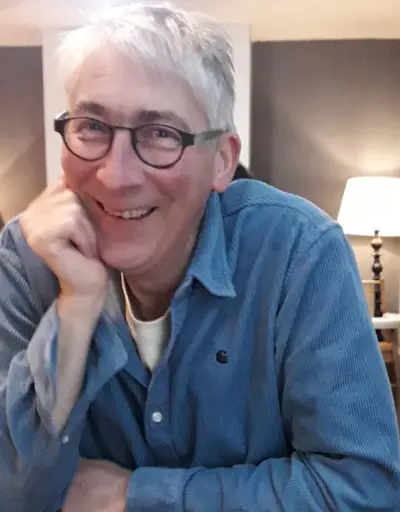
Dr Sandu Popescu
|
male
|
Theoretical physicist (quantum information)
|
United Kingdom
|
|
|
Romanian-born theoretical physicist, Professor at the University of Bristol, working on quantum information theory; known for work on quantum entanglement, nonlocality, teleportation, and superquantum correlations; won the 2001 Adams Prize.
|
|
1992
|
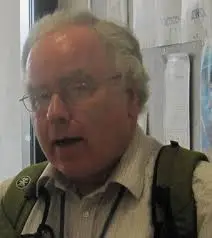
Paul Glendinning
|
male
|
Mathematician (dynamical systems)
|
United Kingdom
|
|
|
Beyer Professor of Applied Mathematics at the University of Manchester, working in dynamical systems; known for research on bifurcation theory, chaos, and blowout bifurcations in nonlinear systems; won the 1992 Adams Prize.
|
|
1986
|
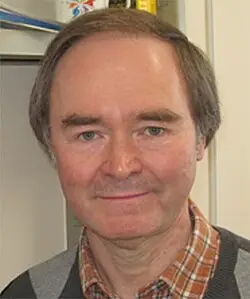
Brian Ripley
|
male
|
Statistician (applied statistics, machine learning)
|
United Kingdom
|
|
|
British statistician and Oxford professor of applied statistics (1990-2014); pioneered spatial statistics and pattern recognition, co-authored influential neural-network texts, and was a leading R Core Team member who created the MASS package.
|
|
1984
|
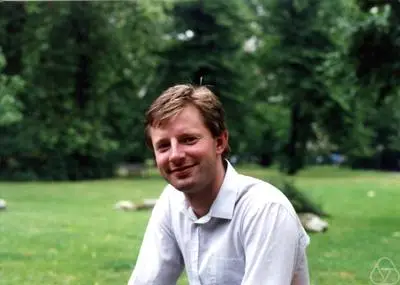
Bernard John Carr
|
male
|
Physicist and cosmologist (astrophysics)
|
United Kingdom
|
|
|
British physicist and cosmologist, emeritus professor at Queen Mary University of London; a former PhD student of Stephen Hawking, renowned for pioneering research on primordial black holes, dark matter, and the anthropic principle.
|
|
1982
|
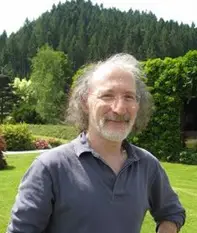
Aidan Schofield
|
male
|
Mathematician (representation theory, algebra)
|
United Kingdom
|
|
|
British mathematician at the University of Bristol specializing in representation theory of finite-dimensional algebras, invariant theory, and rings with polynomial identities; earned his doctorate at the University of London under Paul Cohn.
|
|
1982
|
Dan Segal
|
male
|
Mathematician (group theory)
|
United Kingdom
|
|
|
British mathematician, emeritus professor at the University of Oxford and Fellow of All Souls College; renowned for foundational work on polycyclic and profinite groups, subgroup growth, and finitely generated group theory.
|
|
|
1982
|
Stephen Donkin
|
male
|
Mathematician (algebraic groups, representation theory)
|
United Kingdom
|
|
|
British mathematician at the University of York specializing in Lie-type representation theory and algebraic groups, including tilting modules; previously held posts at Queen Mary, Cambridge, Warwick, and Durham universities.
|
|
|
1982
|
Gordon James
|
male
|
Mathematician (representation theory of symmetric groups)
|
United Kingdom
|
|
|
British mathematician (1945-2020) long based at Imperial College London; a leading authority on representation theory of symmetric groups, co-introducing the q-Schur algebra with Richard Dipper linking symmetric and general linear groups.
|
|
|
1982
|
Martin Taylor
|
male
|
Mathematician (algebraic number theory, Galois module theory)
|
United Kingdom
|
|
|
British mathematician, Professor of Pure Mathematics at the University of Manchester and former Warden of Merton College, Oxford; proved the Frohlich conjecture on Galois module structure and Artin L-functions, later working in arithmetic geometry.
|
|
|
1980
|
Brian Leslie Norman Kennett
|
male
|
Seismologist and mathematical physicist (theoretical seismology)
|
United Kingdom
|
|
|
British-born mathematical physicist and seismologist, long-serving Professor of Seismology at the Australian National University; renowned for modelling seismic wave propagation and developing the widely used IASP91 and AK135 Earth velocity models.
|

|
1980
|
Michael E. McIntyre
|
male
|
Applied mathematician (geophysical fluid dynamics)
|
United Kingdom
|
|
|
British applied mathematician, emeritus professor at Cambridge's DAMTP; pioneered geophysical fluid dynamics, co-developing (with Peter Haynes) the Impermeability Theorem for potential vorticity, with further research spanning atmospheric waves, acoustics, and musical instruments.
|
|
|
1978
|
Alastair Mees
|
male
|
Mathematician (nonlinear dynamics, chaos theory)
|
United Kingdom
|
|
|
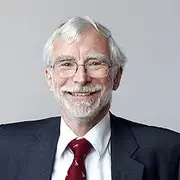
Mathematician at the University of Western Australia specializing in nonlinear dynamics, chaos theory, and time-series analysis; researched topological entropy estimation, nonlinear system control, and reconstructing dynamical systems from noisy observational data.
|
|
1976
|
Dr Timothy John Pedley
|
male
|
Applied mathematician (fluid mechanics, biofluid dynamics)
|
United Kingdom
|
|
|
British applied mathematician, G. I. Taylor Professor of Fluid Mechanics at Cambridge; a pioneer of biological fluid mechanics, studying blood flow in arteries, airflow in lungs, and the collective swimming of micro-organisms.
|

|
1974
|
Dr David Barton
|
male
|
Mathematician and computer scientist (computer algebra, celestial mechanics)
|
United Kingdom
|
|
|
British mathematician and computer scientist at Cambridge, where he completed a PhD on lunar theory; co-developed the pioneering CAMAL computer algebra system with John Fitch, applying symbolic computation to celestial mechanics and relativity.
|
|
|
1974
|
John Fitch
|
male
|
Computer scientist and mathematician (computer algebra systems)
|
United Kingdom
|
|
|
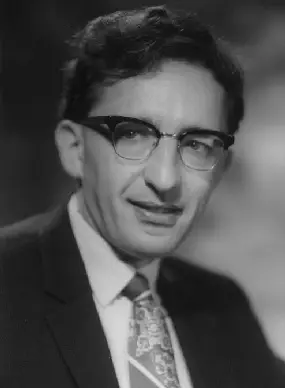
British computer scientist, mathematician, and composer; professor of software engineering at the University of Bath (1980-2011), where he developed computer algebra systems and the Csound audio-programming language, applying symbolic computation to physics.
|
|
1972
|
Dr Alan Baker
|
male
|
Mathematician (transcendental number theory)
|
United Kingdom
|
|
|
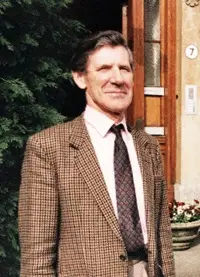
British mathematician, Fields Medalist (1970) and Professor of Pure Mathematics at Cambridge; founded modern transcendental number theory, generalizing the Gelfond-Schneider theorem and pioneering effective methods for linear forms in logarithms.
|
|
1972
|
Professor Christopher Hooley
|
male
|
Mathematician (analytic number theory)
|
United Kingdom
|
|
|
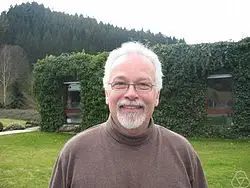
British mathematician, professor at Cardiff University and Fellow of the Royal Society; a leading analytic number theorist who proved the Hasse principle holds for non-singular cubic forms in at least nine variables.
|
|
1972
|
Professor Hugh Lowell Montgomery
|
male
|
Mathematician (analytic number theory)
|
United States
|
|
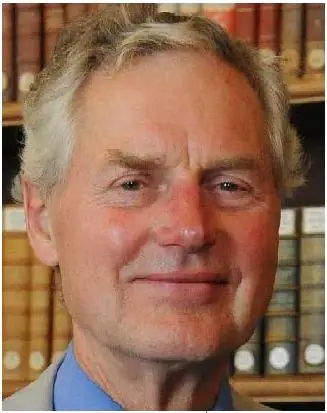
|
American mathematician, professor emeritus at the University of Michigan; a leading analytic number theorist renowned for Montgomery's pair correlation conjecture on Riemann zeta function zeros and for pioneering large sieve methods.
|
|
1970
|
John Raymond Willis
|
male
|
Applied mathematician (solid mechanics, composite materials)
|
United Kingdom
|
|
|
British applied mathematician at the University of Cambridge, also affiliated with Bath, Imperial College London, and the Courant Institute; a leading authority on solid mechanics, composite materials, dislocation theory, and fracture mechanics.
|
|
|
1970
|
Robert Burridge
|
male
|
Applied mathematician (elastic wave theory, seismology)
|
United Kingdom
|
|
|
British-trained applied mathematician known for foundational work on elastic wave propagation; co-developed the Burridge-Knopoff spring-block model of earthquake fault dynamics with geophysicist Leon Knopoff, later working at MIT and NYU's Courant Institute.
|
|
|
1970
|
Leslie John Walpole
|
male
|
Applied mathematician (mechanics of composite materials)
|
United Kingdom
|
|
|
British applied mathematician specializing in the mechanics of composite materials; known for influential work (with John Willis) on bounding and estimating the overall elastic moduli of two-phase and multi-phase composite media.
|
|
1966
|
|
male
|
Astrophysicist and Cosmologist
|
India
|
|
|
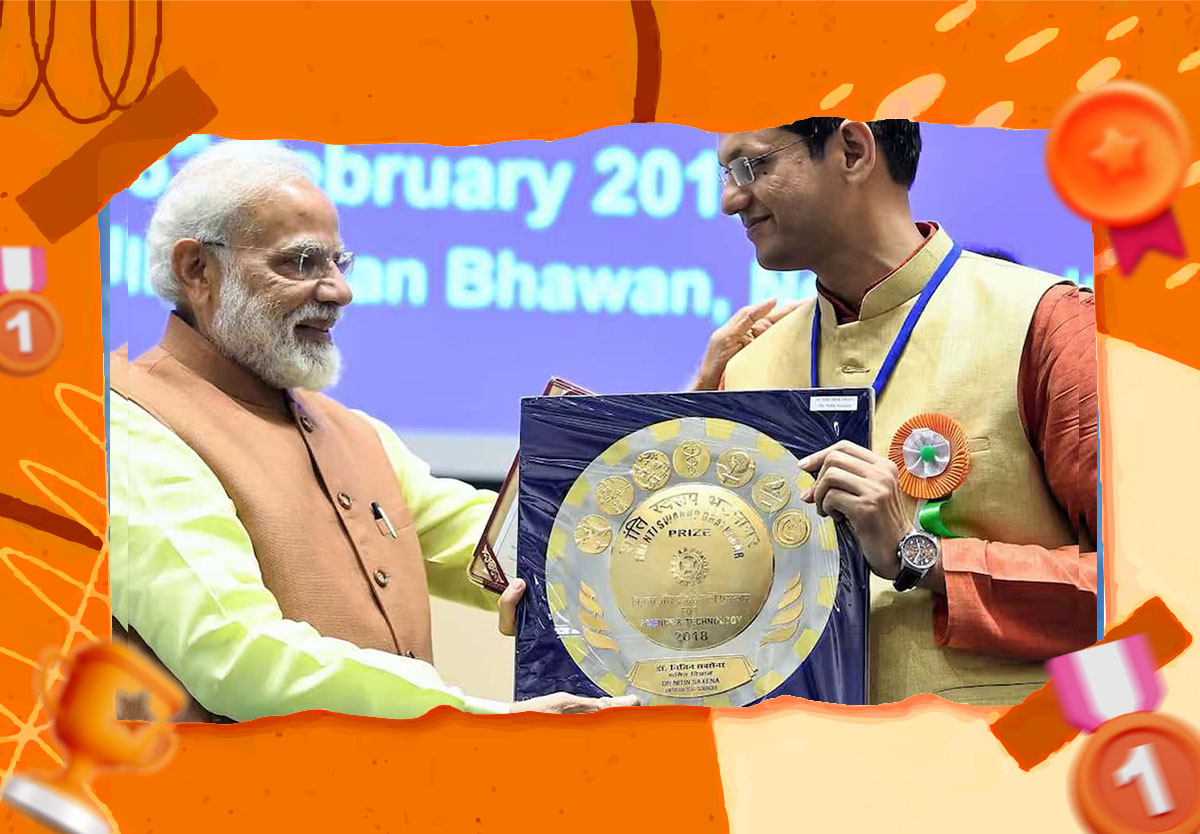
Vigyan Ratna Award: Padma Vibhushan Late Prof. Jayant Vishnu Narlikar was a renowned Indian astrophysicist and cosmologist known for his ground-breaking work in cosmology and developed the Hoyle–Narlikar theory to unify gravitation and matter creation, providing a framework for a steady-state universe in the 1960s. Prof. Narlikar with Fred Hoyle and Geoffrey Burbidge, proposed the Quasi-Steady State Cosmology model that helps in explaining cosmic background radiation and galaxy formation in a different way. As the founder director of the Inter University Centre for Astronomy and Astrophysics, Pune, he helped establishing a world-class research and education hub in India.
He win the other awards is Smith's Prize (1962), Padma Bhushan (1965), Adams Prize (1967), Kalinga Prize (1996), Padma Vibhushan (2004), Prix Jules Janssen (2004), Maharashtra Bhushan (2010), Sahitya Akademi Award (2014), Vigyan Ratna Award
|
|
1966
|
Dr Roger Penrose
|
male
|
Mathematician and mathematical physicist
|
United Kingdom
|
|
|
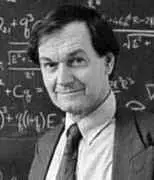
British mathematician and mathematical physicist at Oxford, renowned for work on general relativity and black holes, including the Penrose–Hawking singularity theorems; awarded the 2020 Nobel Prize in Physics.
|
|
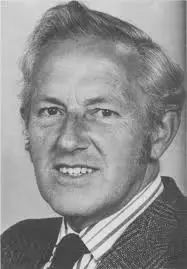
1966
|
Dr Stephen Hawking
|
male
|
Theoretical physicist and cosmologist
|
United Kingdom
|
|
|
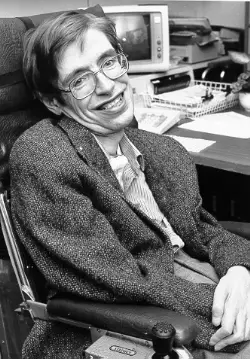
British theoretical physicist and cosmologist at Cambridge, famous for research on black holes and Hawking radiation, general relativity, and the bestselling book A Brief History of Time.
|
|
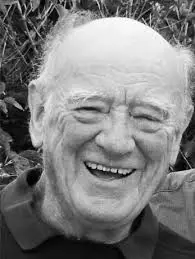
1964
|
Dr James Gardner Oldroyd
|
male
|
Mathematician and rheologist
|
United Kingdom
|
|
|
British mathematician and rheologist at Swansea and Liverpool universities, best known for formulating the Oldroyd-B constitutive model describing viscoelastic behaviour in non-Newtonian fluids, foundational to modern theoretical rheology.
|
|
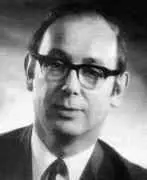
1964
|
Dr Owen Martin Phillips
|
male
|
Physical oceanographer and geophysicist (fluid dynamics)
|
United States
|
|
|
Australian-born physical oceanographer who spent most of his career at Johns Hopkins University in the United States, pioneering research on ocean surface wave generation, turbulence, and energy transfer in the upper ocean.
|
|
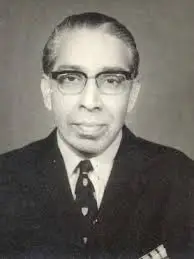
1962
|
John Robert Ringrose
|
male
|
Mathematician (operator algebras)
|
United Kingdom
|
|
|
British mathematician at Newcastle University, a leading expert in operator algebra theory who introduced nest algebras and co-authored with Richard Kadison the foundational four-volume Fundamentals of the Theory of Operator Algebras.
|
|
1960
|
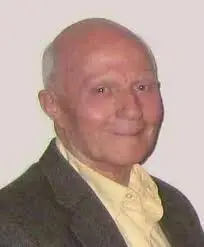
Vasant Shankar Huzurbazar
|
male
|
Statistician
|
India
|
|
|
Indian statistician who studied under Harold Jeffreys at Cambridge and founded the statistics department at the University of Pune, leading it from 1953 to 1976; noted for work on sufficient statistics.
|
|
1960
|
Walter Laws Smith
|
male
|
Mathematician and statistician (applied probability)
|
United Kingdom
|
|
|
British-born mathematician and statistician at the University of North Carolina at Chapel Hill, a pioneer of renewal theory, queuing and regenerative stochastic processes; co-authored the influential 1961 textbook Queues with D. R. Cox.
|
|
|
1958
|
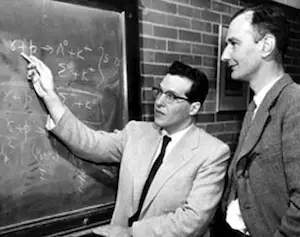
John Gerald Taylor
|
male
|
Theoretical physicist (later neural networks/AI research)
|
United Kingdom
|
|
|
British theoretical physicist and mathematician at King's College London, initially working on quantum field theory and black holes before pioneering neural network and artificial intelligence research; also investigated and debunked claimed paranormal phenomena.
|
|
1958
|
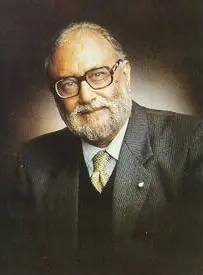
Paul Taunton Matthews
|
male
|
Theoretical physicist (particle physics)
|
United Kingdom
|
|
|
British theoretical physicist, head of physics at Imperial College London and later vice-chancellor of the University of Bath; worked in particle and quantum field theory, mentoring Nobel laureate Abdus Salam.
|
|
1958
|
Professor Abdus Salam
|
male
|
Theoretical physicist
|
Pakistan
|
|
|
Pakistani theoretical physicist at Imperial College London, co-recipient of the 1979 Nobel Prize in Physics for unifying the electromagnetic and weak forces into the electroweak theory; first Muslim Nobel laureate in science.
|
|
|
1956
|
Harold Gordon Eggleston
|
male
|
Mathematician (convex geometry)
|
United Kingdom
|
|
|
British mathematician at Bedford College, University of London, specializing in convex geometry and the theory of convex sets; author of the influential Cambridge Tract Convexity (1958) and Problems in Euclidean Space.
|
|
|
1956
|
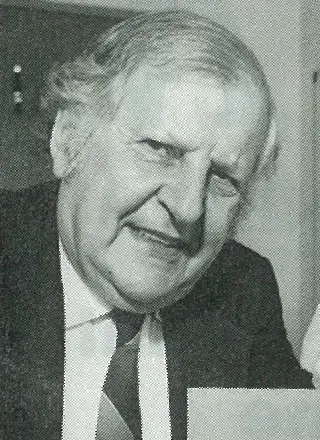
Loan Mackenzie James
|
male
|
Mathematician (algebraic topology)
|
United Kingdom
|
|
|
British mathematician who held the Savilian Chair of Geometry at Oxford (1970-1995), renowned for foundational contributions to algebraic topology and homotopy theory, and for later writings on the history of mathematics and science.
|
|
1956
|
Peter John Hilton
|
male
|
Mathematician (algebraic topology, homological algebra)
|
United Kingdom
|
|
|
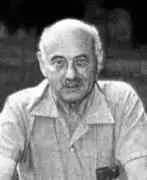
British mathematician who worked at Cambridge, Manchester, Birmingham, Cornell and Binghamton University, known for the Eckmann–Hilton duality and contributions to homotopy theory; a Bletchley Park codebreaker on German ciphers during World War II.
|
|
1952
|
Bernhard Hermann Neumann
|
male
|
Mathematician (group theory)
|
Australia
|
|
|
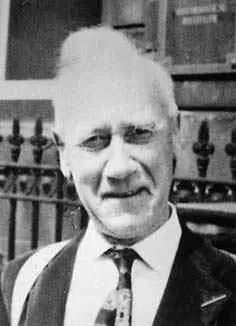
German-born mathematician who fled Nazi Germany, became a leading figure in group theory at Manchester before moving to the Australian National University in 1962; co-developed the HNN extension and championed Australian mathematics education.
|
|
1952
|
William Leonard Edge
|
male
|
Mathematician (geometry)
|
United Kingdom
|
|
|
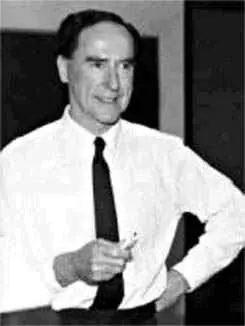
British mathematician at the University of Edinburgh for over four decades, a leading authority on projective and finite geometry who extended classical work on ruled surfaces and geometric configurations over Galois fields.
|
|
1950
|
George Keith Batchelor
|
male
|
Applied mathematician (fluid dynamics)
|
United Kingdom
|
|
|
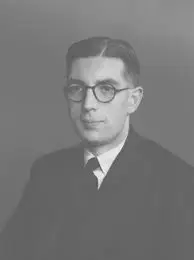
Australian-born fluid dynamicist who spent his career at Cambridge, founding and editing the Journal of Fluid Mechanics for four decades; known for the Batchelor scale and his textbook An Introduction to Fluid Dynamics.
|
|
1950
|
Leslie Howarth
|
male
|
Applied mathematician (fluid dynamics, aerodynamics)
|
United Kingdom
|
|
|
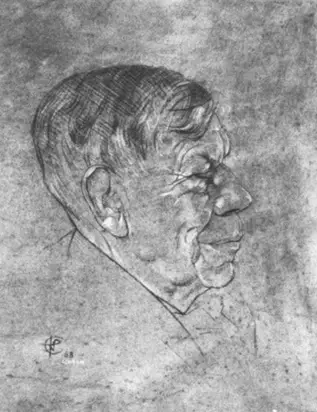
British applied mathematician at the University of Bristol, a leading figure in boundary layer theory and turbulence; co-developed the Kármán–Howarth equation with Theodore von Kármán and the Howarth–Dorodnitsyn transformation in fluid mechanics.
|
|
1950
|
William Reginald Dean
|
male
|
Applied mathematician (fluid dynamics)
|
United Kingdom
|
|
|
British applied mathematician who held the Goldsmid Chair at University College London, known for studies of fluid flow at low Reynolds numbers and secondary flow in curved pipes; namesake of the Dean number.
|
|
1948
|
|
male
|
Astrophysicist
|
United States
|
|
|
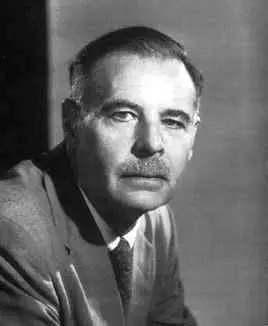
Indian-American astrophysicist who won the 1983 Nobel Prize in Physics for theoretical work on stellar structure, defining the Chandrasekhar limit for white dwarfs. he win the Copley Medal In recognition of his distinguished work on theoretical physics, including stellar structure, theory of radiation, hydrodynamic stability and relativity.
|
|
1948
|
John Charles Burkill
|
male
|
Mathematician (real analysis, integration theory)
|
United Kingdom
|
|
|
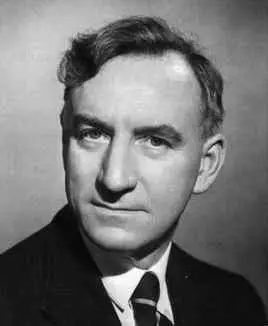
Mathematician at Peterhouse, Cambridge, specializing in real analysis. Introduced the Burkill integral extending Young's work; wrote influential textbooks on Lebesgue integration; later Master of Peterhouse; helped rescue refugee children from Nazi Germany.
|
|
1948
|
John MacNaughton Whittaker
|
male
|
Mathematician (complex analysis, cardinal function theory)
|
United Kingdom
|
|
|
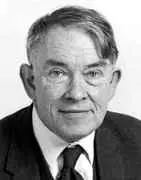
British mathematician at Cambridge and Sheffield, working in complex analysis and cardinal function theory. Elected Fellow of the Royal Society in 1949 alongside his father; later Vice-Chancellor of the University of Sheffield.
|
|
1948
|
Walter Kurt Hayman
|
male
|
Mathematician (complex analysis, geometric function theory)
|
United Kingdom
|
|
|
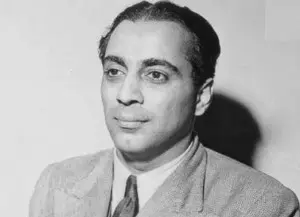
German-born British mathematician at Imperial College London, specializing in complex analysis and geometric function theory. Proved the asymptotic Bieberbach conjecture, co-founded the British Mathematical Olympiad, and was elected Fellow of the Royal Society.
|
|
1942
|
|
male
|
Nuclear/theoretical physicist
|
India
|
|
|
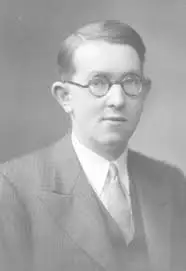
Indian nuclear physicist, founder and first director of the Tata Institute of Fundamental Research and father of India's nuclear programme. Known for Bhabha scattering theory; died in a plane crash in 1966.
|
|
1940
|
Harold Davenport
|
male
|
Mathematician (analytic number theory)
|
United Kingdom
|
|
|
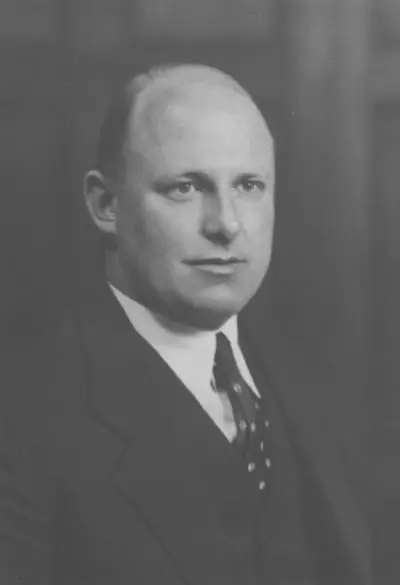
English mathematician known for foundational work in analytic number theory, including Waring's problem, the geometry of numbers, and exponential sums. Held chairs at Cambridge and University College London; President of the LMS.
|
|
1936
|
|
male
|
Mathematician
|
United Kingdom
|
|
|
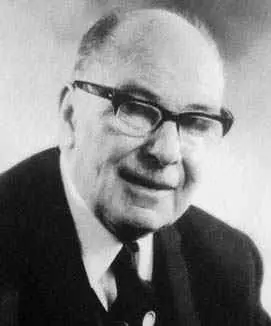
Scottish mathematician renowned for Hodge theory in algebraic geometry and topology, and for formulating the still-unsolved Hodge conjecture. he win the Copley Medal In recognition of his pioneering work in algebraic geometry, notably in his theory of harmonic integrals. and in 1936 win Adams Prize for The theory of algebraic systems of curves on an algebraic surface.
|
|
1936
|
John Arthur Todd
|
male
|
Mathematician (geometry, group theory)
|
United Kingdom
|
|
|
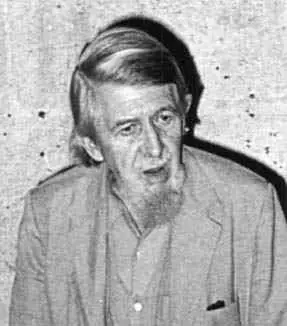
English mathematician at Trinity College, Cambridge, working on geometry and group theory. Co-developed the Todd–Coxeter algorithm for computational group theory and introduced the Todd genus, later important in manifold classification.
|
|
1936
|
Patrick Du Val
|
male
|
Mathematician (algebraic and differential geometry)
|
United Kingdom
|
|
|
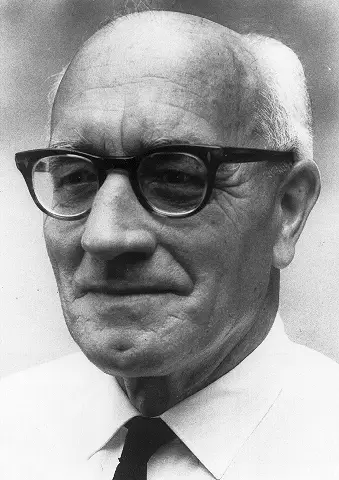
English mathematician working in algebraic and differential geometry, noted for pioneering work on resolving singularities of algebraic surfaces (Du Val singularities). Taught at University College London; co-authored The Fifty-Nine Icosahedra.
|
|
1936
|
Thomas Gerald Room
|
male
|
Mathematician (algebraic geometry, combinatorics)
|
Australia
|
|
|
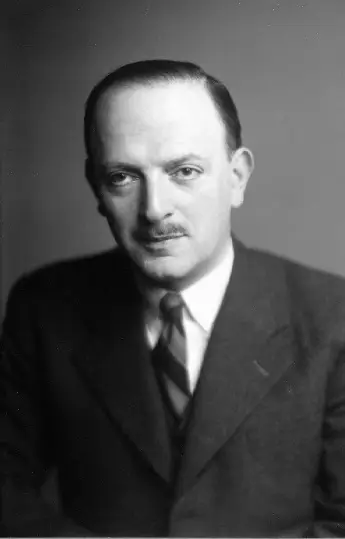
English-born Australian mathematician, professor at the University of Sydney, known for work in algebraic geometry and combinatorics, including Room squares. Led Japanese code-breaking efforts at Australia's Central Bureau during WWII.
|
|
1934
|
Louis Rosenhead
|
male
|
Mathematician (fluid mechanics, applied mathematics)
|
United Kingdom
|
|
|
British applied mathematician who led Liverpool University's applied mathematics department for four decades, specializing in fluid mechanics and boundary-layer theory. Directed wartime ballistics research on rocket weapons; Fellow of the Royal Society.
|
|
|
1934
|
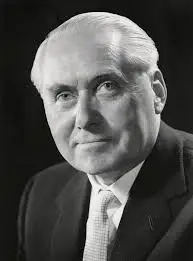
Sydney Goldstein
|
male
|
Mathematician (fluid dynamics, applied mathematics)
|
United Kingdom
|
|
|
British applied mathematician specializing in fluid dynamics and boundary-layer theory, working at Cambridge, Manchester, the Technion and Harvard. Edited the influential Modern Developments in Fluid Dynamics; Fellow of the Royal Society.
|
|
1932
|
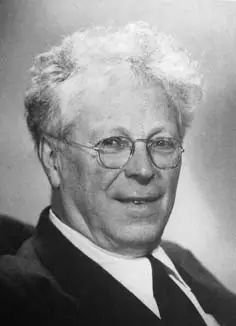
Alan Herries Wilson
|
male
|
Mathematical/solid-state physicist
|
United Kingdom
|
|
|
British mathematical physicist at Cambridge, pioneer of quantum solid-state theory who developed the electronic band structure theory explaining conductors, insulators, and semiconductors. Later a chemical industry executive; Fellow of the Royal Society.
|
|
1930
|
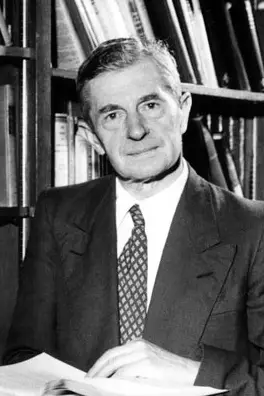
Abram Samoilovitch Besicovitch
|
male
|
Mathematician (geometric measure theory, real analysis)
|
United Kingdom
|
|
|
Russian-born British mathematician at Cambridge, pioneer of geometric measure theory and fractional-dimension sets. Solved the Kakeya needle problem and developed the theory of almost periodic functions; Fellow of the Royal Society.
|
|
1928
|
|
male
|
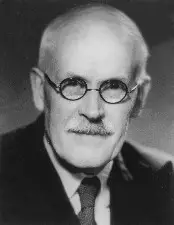
Mathematician and geophysicist
|
United Kingdom
|
|
|
British mathematician and geophysicist known for the Chapman-Enskog theory of gases and pioneering work on geomagnetism, atmospheric physics, and the aurora. he win the Copley Medal In recognition of his theoretical contributions to terrestrial and interplanetary magnetism, the ionosphere and the aurora borealis. and in 1928 win Adams Prize for The variations in the Earth's magnetic field in relation to electric phenomena in the upper atmosphere and on the Earth
|
|
1926
|
|
male
|
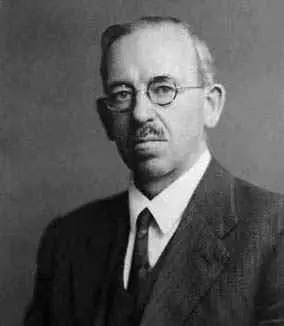
Mathematician, statistician, and geophysicist
|
United Kingdom
|
|
|
British mathematician, statistician, and geophysicist who advanced Bayesian statistics and theories of Earth's internal structure, seismology, and planetary formation. he win the Copley Medal In recognition of his distinguished work in many branches of geophysics, and also in the theory of probability and astronomy.
|
|
1924
|
Sir Ralph Fowler
|
male
|
Physicist (statistical mechanics, astrophysics)
|
United Kingdom
|
|
|
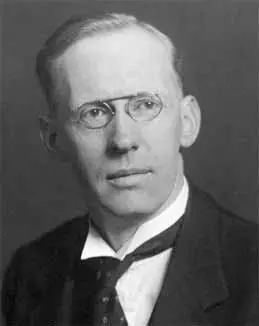
English physicist and mathematician at Trinity College and the Cavendish Laboratory, Cambridge, specializing in statistical mechanics and astrophysics. Showed white dwarf stars are supported by electron degeneracy pressure; mentored Paul Dirac.
|
|
1922
|
Joseph Proudman
|
male
|
Mathematician and oceanographer
|
United Kingdom
|
|
|
English mathematician and oceanographer, professor at the University of Liverpool and head of the Liverpool Tidal Institute, later renamed in his honor. Pioneered tidal theory and co-tidal charts of the North Sea.
|
|
|
1922
|
Sir Harold Jeffreys (Highly commended)
|
male
|
Mathematician, geophysicist, and statistician
|
United Kingdom
|
|
|
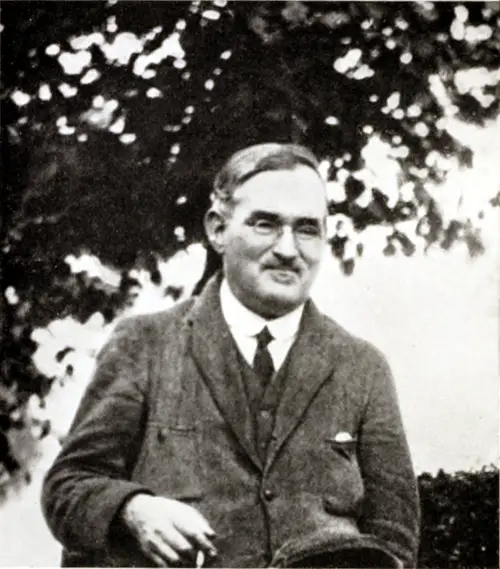
English mathematician, geophysicist, and statistician at St John's College, Cambridge, Plumian Professor of Astronomy. Demonstrated the Earth's core is liquid and developed Bayesian probability theory in his influential works.
|
|
1920
|
John William Nicholson
|
male
|
Mathematical physicist
|
United Kingdom
|
|
|
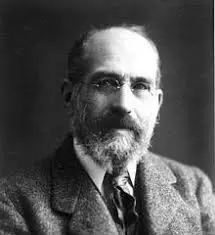
British mathematical physicist at King's College London who developed an early quantized atomic model influencing Bohr's 1913 theory. Won the Adams Prize three times (1912, 1918, 1920) for work on spectroscopy and astrophysics.
|
|
1920
|
William Mitchinson Hicks
|
male
|
Mathematical physicist
|
United Kingdom
|
|
|
English mathematical physicist and first vice-chancellor of the University of Sheffield, known for contributions to hydrodynamics and spectroscopy; elected Fellow of the Royal Society in 1885 and awarded its Royal Medal in 1912.
|
|
|
1918
|
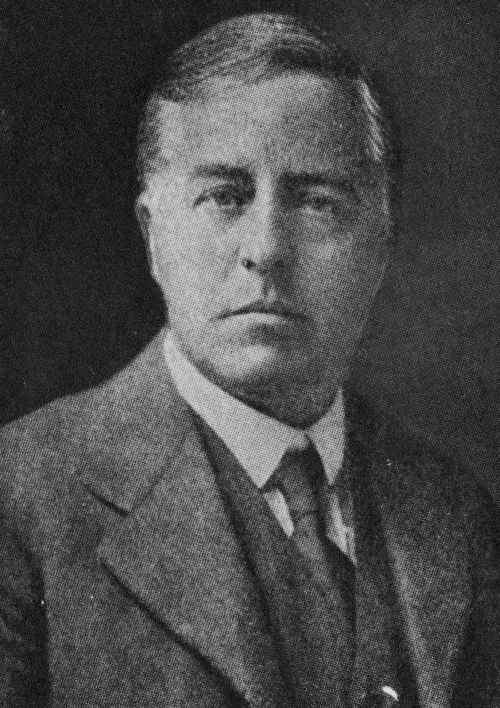
John William Nicholson
|
male
|
Mathematical physicist
|
United Kingdom
|
|
|
British mathematical physicist at King's College London who developed an early quantized atomic model influencing Bohr's 1913 theory. Won the Adams Prize three times (1912, 1918, 1920) for work on spectroscopy and astrophysics.
|
|
1916
|
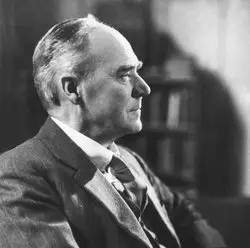
James Hopwood Jeans
|
male
|
Physicist, astronomer, and mathematician
|
United Kingdom
|
|
|
English physicist, astronomer and mathematician at Cambridge, known for the Jeans instability criterion in star formation and the Rayleigh-Jeans radiation law; later a celebrated popular-science writer on astronomy and cosmology.
|
|
1914
|
Geoffrey Ingram Taylor
|
male
|
Physicist (fluid dynamics)
|
United Kingdom
|
|
|
British physicist and mathematician at Cambridge renowned for foundational work in fluid dynamics and turbulence, including Taylor-Couette flow and Rayleigh-Taylor instability; also contributed to wartime research including the Manhattan Project.
|
|
|
1912
|
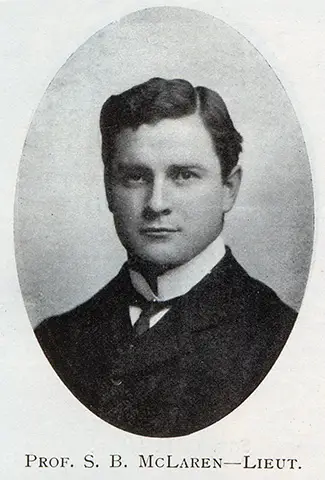
John William Nicholson
|
male
|
Mathematical physicist
|
United Kingdom
|
|
|
British mathematical physicist at King's College London who developed an early quantized atomic model influencing Bohr's 1913 theory. Won the Adams Prize three times (1912, 1918, 1920) for work on spectroscopy and astrophysics.
|
|
1912
|
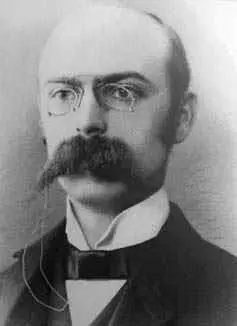
Samuel Bruce McClaren
|
male
|
Mathematical physicist
|
United Kingdom
|
|
|
Japanese-born, Australian-educated mathematical physicist whose career was spent in Britain at Bristol, Birmingham and Reading; published influential work on radiation theory anticipating aspects of Einstein's relativity before being killed in action in 1916.
|
|
1911
|
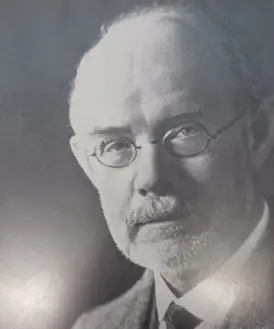
Augustus Edward Hough Love
|
male
|
Mathematician (elasticity theory, geodynamics)
|
United Kingdom
|
|
|
English mathematician, Sedleian Professor of Natural Philosophy at Oxford, celebrated for his work on elasticity theory and geodynamics; discovered Love waves and Love numbers, still used in seismology and Earth-tide studies today.
|
|
1909
|
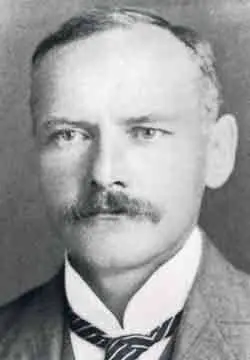
George Adolphus Schott
|
male
|
Mathematician (electromagnetic theory)
|
United Kingdom
|
|
|
British mathematician of German descent, professor at Aberystwyth University, best known for his theory of electromagnetic radiation from fast-moving electrons, which predicted synchrotron radiation decades before its experimental confirmation in 1947.
|
|
1907
|
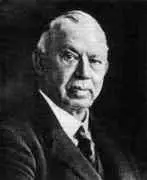
Ernest William Brown
|
male
|
Mathematical astronomer
|
United States
|
|
|
English-born mathematical astronomer who became a naturalized American citizen; professor at Yale University renowned for his highly accurate "Tables of the Motion of the Moon," the standard lunar ephemeris used worldwide until 1983.
|
|
1901
|
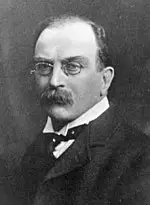
Hector Munro MacDonald
|
male
|
Mathematician (electromagnetic waves)
|
United Kingdom
|
|
|
Scottish mathematician, professor at the University of Aberdeen, noted for his work on electromagnetic wave diffraction and Bessel functions; his 1901 Adams Prize research helped explain long-distance wireless signal propagation around the Earth.
|
|
1899
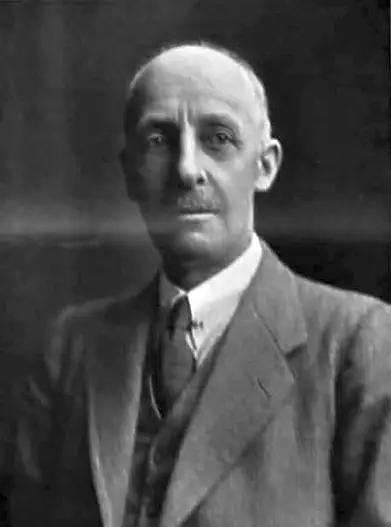
|
|
male
|
Physicist and mathematician
|
United Kingdom
|
|
|
Irish physicist and mathematician who developed electron theory and equations anticipating Lorentz transformations, and served as Lucasian Professor of Mathematics at Cambridge. he win the Copley Medal for hisresearches in mathematical physics. and in 1899 win Adams Prize for The Theory of the Aberration of Light
|
|
1899
|
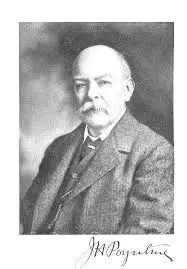
Gilbert Thomas Walker
|
male
|
Physicist and statistician (meteorology)
|
United Kingdom
|
|
|
English physicist and statistician, head of the India Meteorological Department, who discovered the Walker circulation and the Southern Oscillation, foundational to the modern understanding of El Nino and global climate patterns.
|
|
1893
|
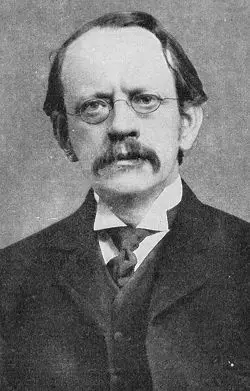
John Henry Poynting
|
male
|
Physicist
|
United Kingdom
|
|
|
English physicist, first professor of physics at Mason Science College (later the University of Birmingham), famous for the Poynting vector describing electromagnetic energy flow and for coining the term "greenhouse effect."
|
|
1883
|
|
male
|
Physicist
|
United Kingdom
|
|
|
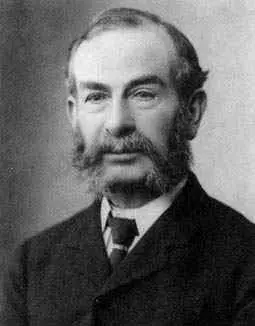
English physicist, Cavendish Professor of Physics at Cambridge, who discovered the electron in 1897 and proposed the "plum pudding" atomic model; awarded the 1906 Nobel Prize in Physics and mentored seven Nobel laureates and in 1883 win Adams Prize for A general investigation of the action upon each other of two closed vortices in a perfectly incompressible fluid
|
|
1877
|
Edward John Routh
|
male
|
Mathematician (applied mechanics)
|
United Kingdom
|
|
|
English mathematician and celebrated Cambridge coach for the Mathematical Tripos who trained hundreds of Senior Wranglers; developed the Routh-Hurwitz stability criterion, a cornerstone of classical control theory and rigid-body dynamics.
|
|
1871
|
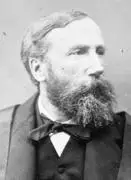
Isaac Todhunter
|
male
|
Mathematician and historian of mathematics
|
United Kingdom
|
|
|
English mathematician and prolific textbook author at Cambridge, senior wrangler in 1848, best known for his authoritative history of the mathematical theory of probability and widely used algebra and calculus textbooks.
|
|
|
1865
|
Edward Walker
|
male
|
Applied mathematician
|
United Kingdom
|
|
|
English mathematician and Fellow of Trinity College, Cambridge, who won the Adams Prize in 1865; later called to the bar and published "Terrestrial and Cosmical Magnetism" (1866) on applied mathematical physics.
|
|
1857
|
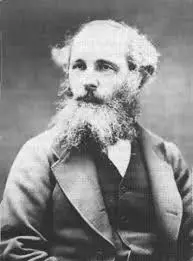
James Clerk Maxwell
|
male
|
Physicist and mathematician
|
United Kingdom
|
|
|
Scottish physicist and mathematician, first Cavendish Professor of Physics at Cambridge, whose Maxwell's equations unified electricity, magnetism and light and laid the theoretical foundation for modern classical electromagnetism and radio.
|
|
|
1850
|
Robert Peirson
|
male
|
Astronomer
|
United Kingdom
|
|
|
English astronomer and Fellow of St John's College, Cambridge, who received the inaugural Adams Prize in 1850 for his essay on the near-commensurability of the orbital motions of Uranus and Neptune.
|