|
2026
|
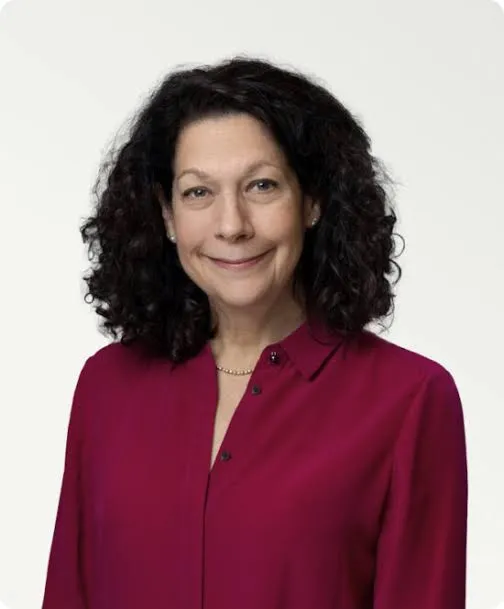
Bonnie Bassler
|
female
|
Molecular Biologist
|
United States
|
|
|
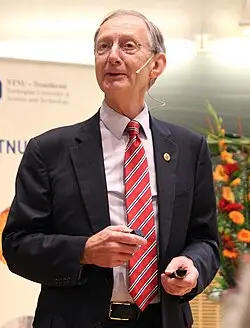
American molecular biologist at Princeton who discovered quorum sensing, revealing how bacteria communicate chemically to coordinate collective behaviors and infections. he win the Copley Medal for her discovery of the universality of chemical communication among bacteria, and for her dogma-overturning idea that interfering with bacterial communication could form the basis of completely novel anti-bacterials.
|
|
2025
|
John Pendry
|
male
|
Physicist
|
United Kingdom
|
|
|
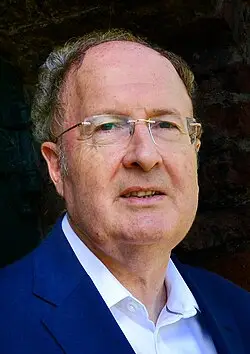
British theoretical physicist who pioneered metamaterials, inventing the concept of the invisibility cloak and the superlens for imaging beyond diffraction limits. For pioneering protein engineering, especially antibody engineering for the successful production of therapeutic antibodies.
|
|
2024
|
Gregory Paul Winter
|
male
|
Molecular Biologist
|
United Kingdom
|
|
|
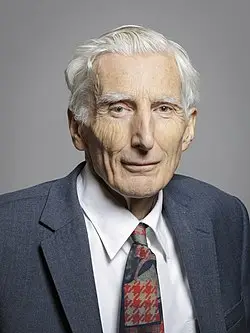
British molecular biologist who pioneered antibody engineering and phage display, enabling humanized therapeutic antibodies; shared the 2018 Nobel Prize in Chemistry. For work on the concept and designs of metamaterials that represent the greatest advance in electromagnetism since Faraday and Maxwell.
|
|
2023
|
Martin Rees (The Lord Rees of Ludlow OM Kt HonFREng FRS)
|
male
|
Astrophysicist / cosmologist
|
United Kingdom
|
|
|
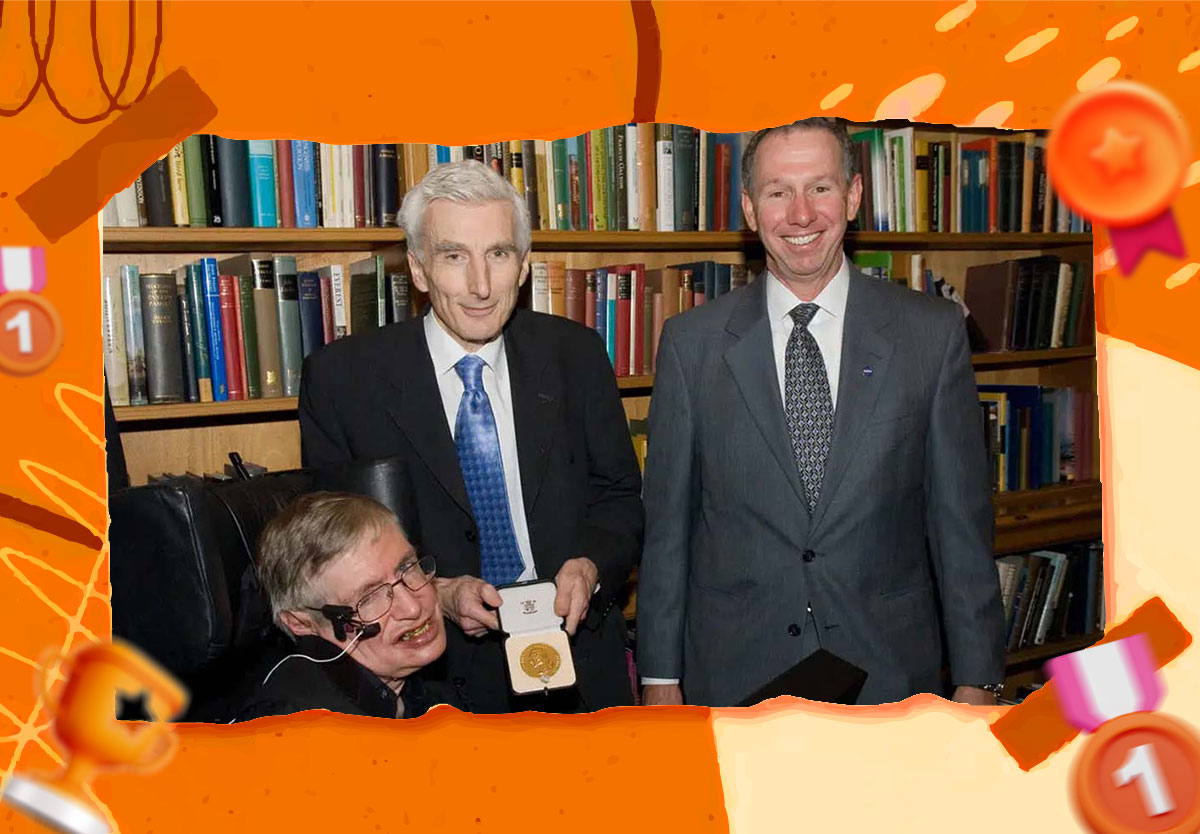
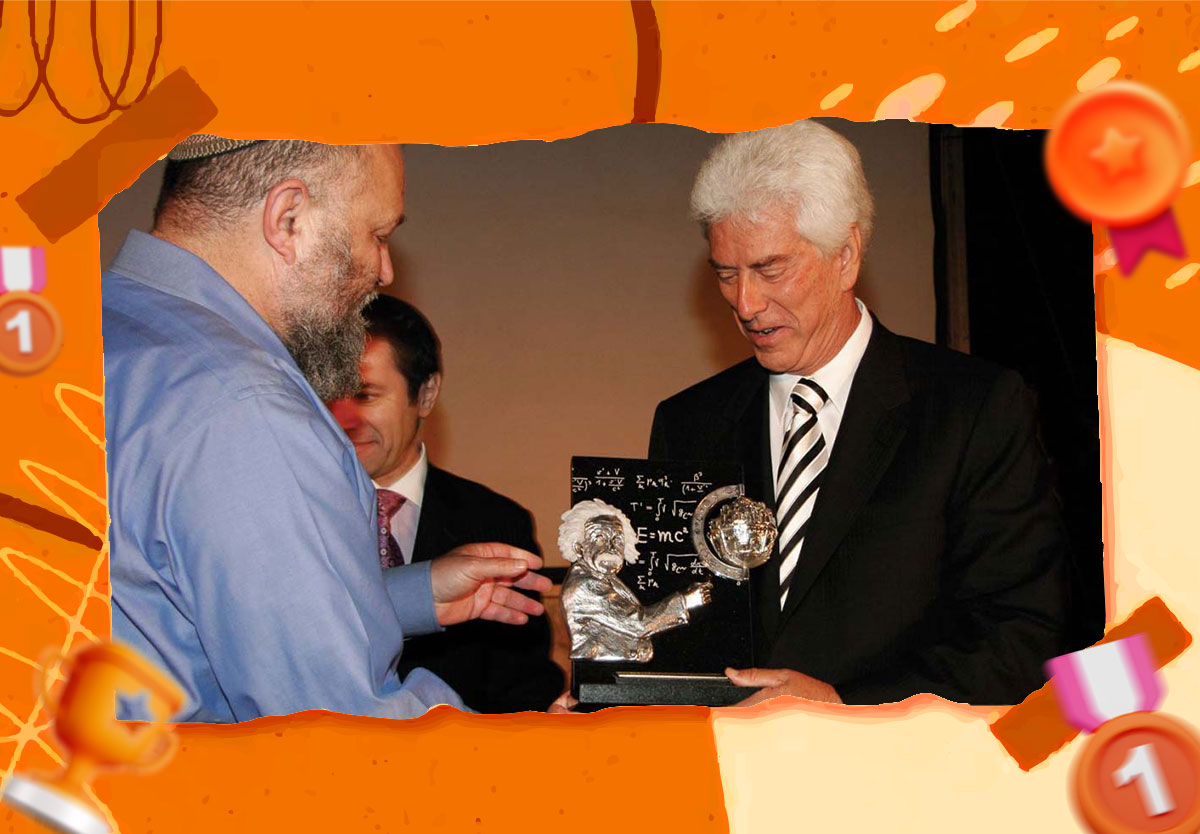
British cosmologist and astrophysicist, the UK's 15th Astronomer Royal (1995-2025), former Master of Trinity College, Cambridge, and President of the Royal Society (2005-2010). Known for foundational work on black holes, quasars, galaxy formation, and existential risk (co-founded Cambridge's Centre for the Study of Existential Risk). Made a life peer as Baron Rees of Ludlow in 2005. Received the Albert Einstein World Award of Science in 2003.
|
|
2022
|
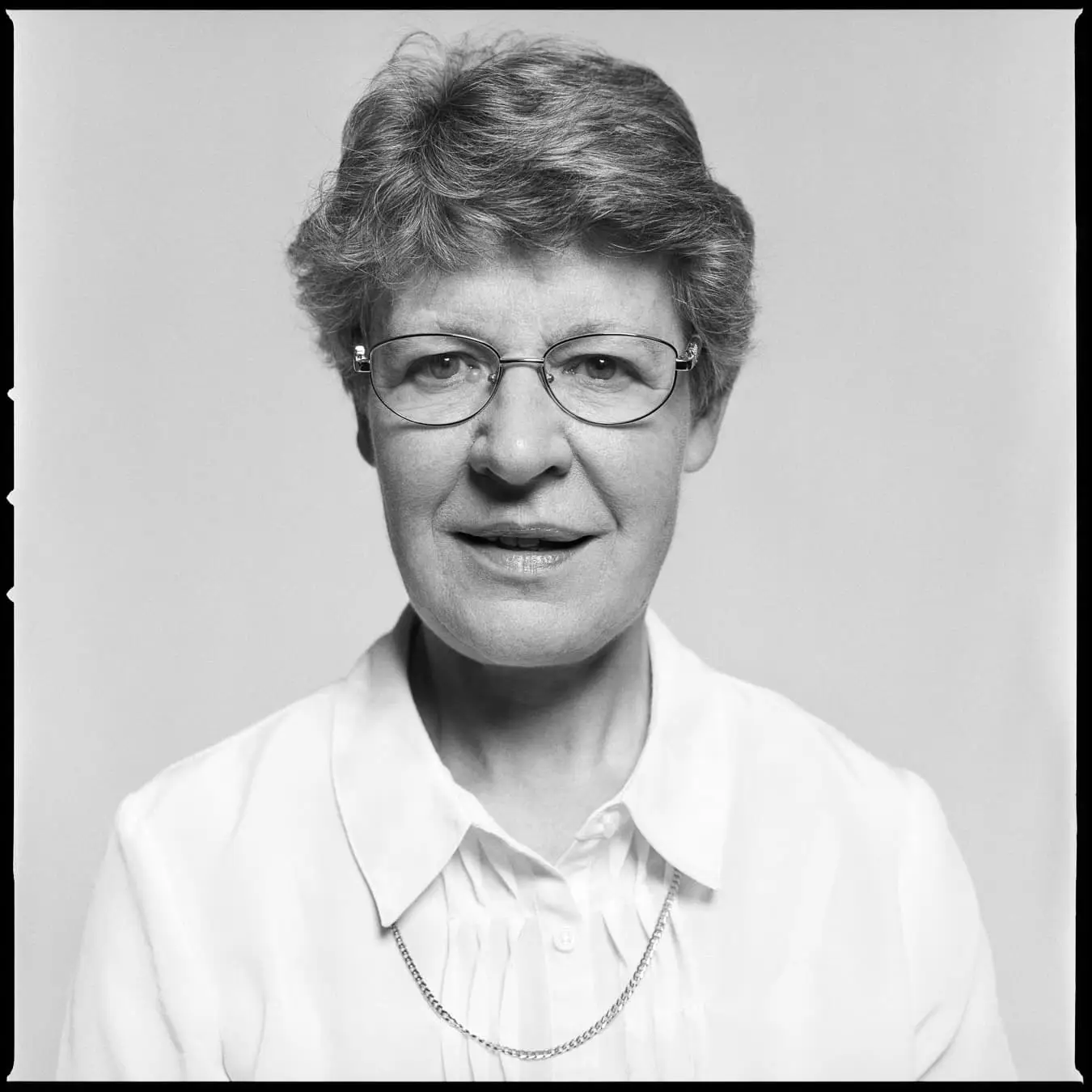
Oxford-AstraZeneca Vaccine Team
|
|
Vaccine research collaboration
|
United Kingdom
|
|
|
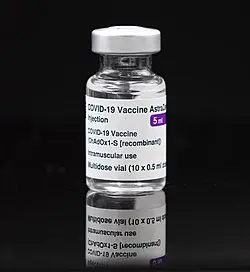
Collaboration of Oxford University scientists and AstraZeneca that rapidly developed and distributed the ChAdOx1 COVID-19 vaccine, saving millions of lives worldwide. For rapidly developing and deploying a COVID-19 vaccine.
|
|
2021
|
|
female
|
Astrophysicist
|
United Kingdom
|
|
|
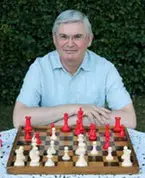
Jocelyn Bell Burnell won the Special Breakthrough Prize in Fundamental Physics For fundamental contributions to the discovery of pulsars, and a lifetime of inspiring leadership in the scientific community.
|
|
2020
|
Sir Alan Fersht FMedSci FRS
|
male
|
Biochemist
|
United Kingdom
|
|
|
British biochemist and pioneer of protein engineering, developing phi-value analysis to reveal mechanisms of protein folding and enzyme catalysis. He has developed and applied the methods of protein engineering to provide descriptions of protein folding pathways at atomic resolution, revolutionising our understanding of these processes.
|
|
2019
|
Professor John Goodenough ForMemRS
|
male
|
Materials Scientist
|
United States
|
|
|
American materials scientist who identified lithium cobalt oxide as a cathode material, enabling the lithium-ion battery; 2019 Nobel Chemistry laureate. he win the Copley Medal In recognition of his exceptional contributions to the science and technology of materials, including his discovery that led to rechargeable lithium batteries.
|
|
2018
|
Professor Jeffrey Gordon
|
male
|
Microbiologist
|
United States
|
|
|
American biomedical scientist and father of microbiome research who showed gut microbiota shape nutrition, immunity, and childhood malnutrition outcomes. he win the Copley Medal for hiscontributions to understanding the role of gut microbial communities to human health and disease.
|
|
2017
|
|
male
|
Mathematician (number theory)
|
United Kingdom
|
|
|
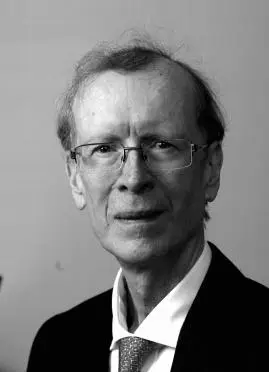
Andrew Wiles is a British mathematician renowned for proving Fermat's Last Theorem in 1994-95 by establishing the modularity theorem for semistable elliptic curves. A professor at Princeton for decades and later Regius Professor at Oxford, he received the 2016 Abel Prize for his stunning proof of Fermat's Last Theorem, which opened new pathways within the Langlands program; he also holds the Copley Medal.
|
|
2016
|
Dr Richard Henderson CH FMedSci FRS
|
male
|
Molecular Biologist
|
United Kingdom
|
|
|
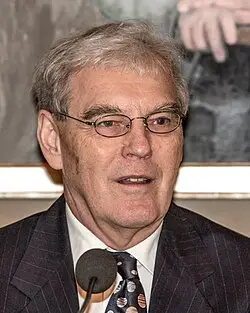
British molecular biologist who pioneered cryo-electron microscopy for atomic-resolution imaging of biomolecules; shared the 2017 Nobel Prize in Chemistry. he win the Copley Medal for hisfundamental and revolutionary contributions to the development of electron microscopy of biological materials, enabling their atomic structures to be deduced.
|
|
2015
|
Professor Peter Higgs CH FRS
|
male
|
Theoretical Physicist
|
United Kingdom
|
|
|
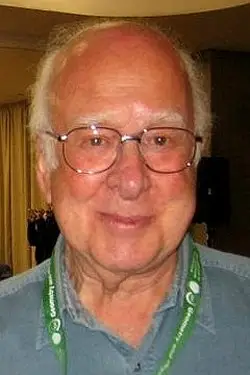
British theoretical physicist who predicted the Higgs boson and the mechanism giving particles mass, confirmed at CERN in 2012; Nobel laureate. he win the Copley Medal for hisfundamental contribution to particle physics with his theory explaining the origin of mass in elementary particles, confirmed by the experiments at the Large Hadron Collider.
|
|
2014
|
|
male
|
Geneticist (DNA fingerprinting / forensic genetics)
|
United Kingdom
|
|
|
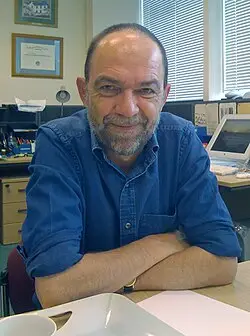
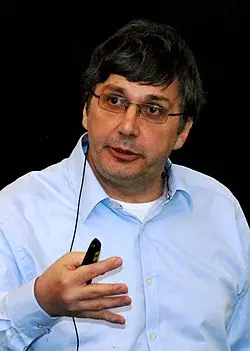
Jeffreys, professor of genetics at the University of Leicester, invented DNA fingerprinting and DNA profiling in 1984, revolutionizing forensic science, paternity testing, and immigration cases; his method helped convict Colin Pitchfork in the first murder case solved by DNA evidence. Knighted in 1994, he received the Albert Einstein World Award of Science in 1996 and the Copley Medal in 2014.
|
|
2013
|
Sir Andre Geim FRS
|
male
|
Physicist
|
United Kingdom
|
|
|
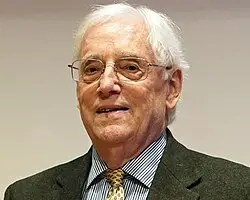
Russian-born physicist and British citizen who isolated graphene in 2004 with Konstantin Novoselov, sharing the 2010 Nobel Prize in Physics. he win the Copley Medal for hisnumerous scientific contributions and, in particular, for initiating research on two‐dimensional atomic crystals and their artificial heterostructures.
|
|
2012
|
Sir John Walker FMedSci FRS
|
male
|
Chemist
|
United Kingdom
|
|
|
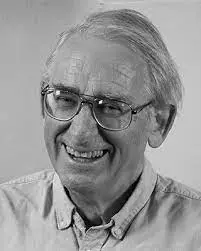
British chemist who determined the structure of ATP synthase, explaining its rotary catalytic mechanism; shared the 1997 Nobel Prize in Chemistry. he win the Copley Medal for hisground-breaking work on bioenergetics, discovering the mechanism of ATP synthesis in the mitochondrion.
|
|
2011
|
Dan McKenzie
|
male
|
Geophysicist
|
United Kingdom
|
|
|
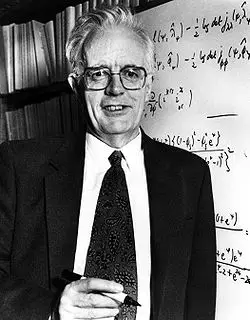
British geophysicist who formulated the mathematical theory of plate tectonics on a sphere and pioneered models of mantle convection and sedimentary basins. he win the Copley Medal for hisseminal contributions to the understanding of geological and geophysical phenomena including tectonic plates.
|
|
2010
|
David Cox
|
male
|
Statistician
|
United Kingdom
|
|
|
British statistician who developed the Cox proportional hazards model in 1972, foundational to survival analysis across medicine and science. he win the Copley Medal for hisseminal contributions to the theory and applications of statistics.
|
|
2010
|
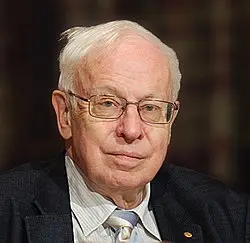
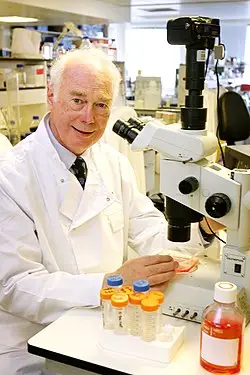
Tomas Lindahl
|
male
|
Biochemist
|
United Kingdom
|
|
|
Swedish-British biochemist who discovered DNA repair mechanisms, including base excision repair, explaining how cells combat DNA decay; 2015 Nobel laureate. he win the Copley Medal for hisseminal contributions to the understanding of the biochemistry of DNA repair.
|
|
2009
|
Martin Evans
|
male
|
Developmental Biologist
|
United Kingdom
|
|
|
British developmental biologist who first isolated mouse embryonic stem cells and developed gene targeting, enabling knockout mice; 2007 Nobel laureate. he win the Copley Medal for hisseminal work on embryonic stem cells in mice, which revolutionised the field of genetics.
|
|
2008
|
Roger Penrose
|
male
|
Mathematician
|
United Kingdom
|
|
|
British mathematician and physicist who proved black holes are a robust prediction of general relativity; shared the 2020 Nobel Prize in Physics. he win the Copley Medal for hisbeautiful and original insights into many areas of mathematics and mathematical physics. Sir Roger has made outstanding contributions to general relativity theory and cosmology, most notably for his work on black holes and the Big Bang.
|
|
2007
|
Robert May
|
male
|
Ecologist / theoretical biologist
|
Australia
|
|
|
Australian-British ecologist who applied chaos theory to population dynamics and disease spread, serving as UK Chief Scientific Adviser and Royal Society President. he win the Copley Medal for hisseminal studies of interactions within and among biological populations that have reshaped our understanding of how species, communities and entire ecosystems respond to natural or human created disturbance.
|
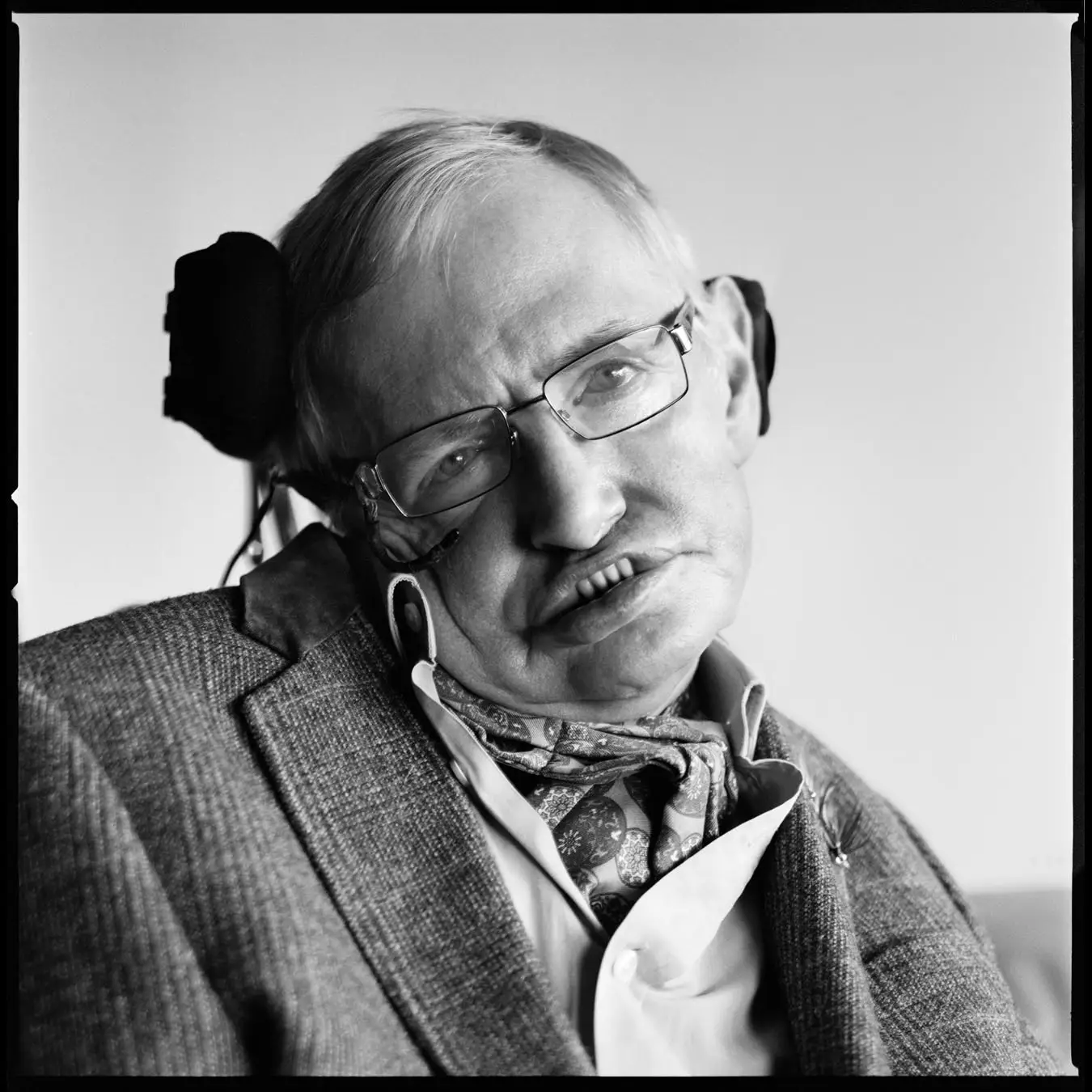
|
2006
|
|
male
|
Theoretical physicist and cosmologist
|
United Kingdom
|
|
|
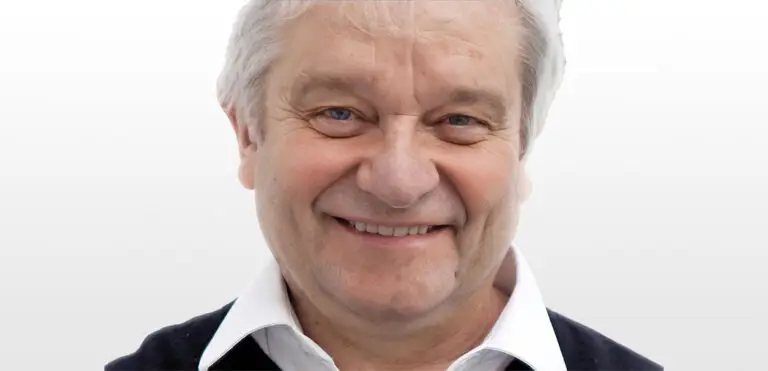
Stephen Hawking won the Special Breakthrough Prize in Fundamental Physics For his discovery of Hawking radiation from black holes, and his deep contributions to quantum gravity and quantum aspects of the early Universe.
|
|
2005
|
|
male
|
Geneticist / cell biologist (cell cycle control)
|
United Kingdom
|
|
|
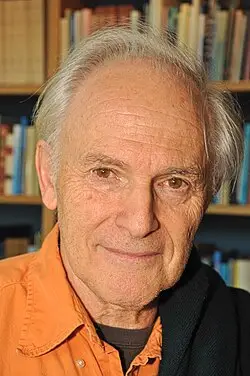
British geneticist, former Director of the Francis Crick Institute and past President of the Royal Society and Rockefeller University. Discovered the cdc2/Cdk1 gene controlling cell-cycle progression, foundational to understanding cell division. Shared the 2001 Nobel Prize in Physiology or Medicine with Leland Hartwell and Tim Hunt. Received the Albert Einstein World Award of Science in 2013.
|
|
2004
|
Harold Kroto
|
male
|
Chemist
|
United Kingdom
|
|
|
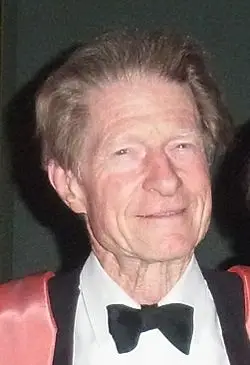
British chemist who co-discovered buckminsterfullerene, the football-shaped carbon-60 molecule, revealing a new form of carbon and earning the 1996 Nobel Prize. he win the Copley Medal In recognition of his seminal contributions to understanding the fundamental dynamics of carbon chain molecules, leading to the detection of these species (polyynes) in the interstellar medium by radioastronomy.
|
|
2003
|
John Gurdon
|
male
|
Developmental biologist
|
United Kingdom
|
|
|
British developmental biologist who pioneered nuclear transfer cloning, proving mature cells can be reprogrammed; shared the 2012 Nobel Prize in Medicine. he win the Copley Medal for hisunique range of groundbreaking discoveries in the fields of cell and developmental biology.
|

|
2002
|
John Pople
|
male
|
Theoretical chemist
|
United Kingdom
|
|
|
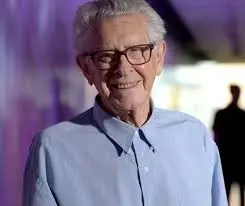
British-American theoretical chemist who developed computational methods for quantum chemistry, including the Gaussian software, winning the 1998 Nobel Prize in Chemistry. he win the Copley Medal for hisdevelopment of computational methods in quantum chemistry. His work transformed density functional theory into a powerful theoretical tool for chemistry, chemical physics and biology.
|
|
2001
|
Jacques Francis Albert Pierre Miller
|
male
|
Immunologist
|
Australia
|
|
|
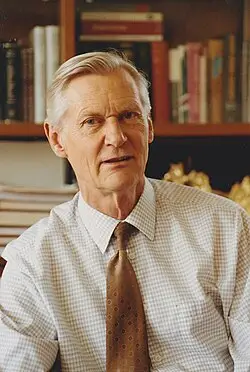
French-born Australian immunologist who discovered the thymus's role in immunity and identified T cells and B cells, foundational to modern immunology. he win the Copley Medal for hiswork on the immunological function of the thymus and of T cells, which has revolutionised the science of immunology.
|
|
2000
|
Alan Rushton Battersby
|
male
|
Organic chemist
|
United Kingdom
|
|
|
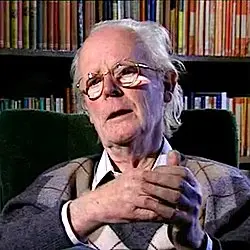
British organic chemist who elucidated the biosynthetic pathways of vitamin B12, chlorophyll, and other natural pigments through elegant isotope-labeling experiments. he win the Copley Medal In recognition of his pioneering work in elucidating the detailed biosynthetic pathways to all the major families of plant alkaloids.
|
|
1999
|
John Maynard Smith
|
male
|
Evolutionary biologist
|
United Kingdom
|
|
|
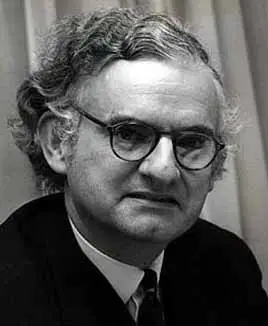
British evolutionary biologist who applied game theory to evolution, introducing the evolutionarily stable strategy concept and reshaping understanding of animal behavior. he win the Copley Medal In recognition of his seminal contributions to evolutionary biology.
|
|
1998
|
James Michael Lighthill
|
male
|
Applied mathematician
|
United Kingdom
|
|
|
British applied mathematician renowned for foundational work in fluid dynamics and aeroacoustics, explaining how turbulent airflow generates sound; died swimming. he win the Copley Medal In recognition of his profound contributions to many fields within fluid mechanics including important aspects of the interaction of sound and fluid flow and numerous other contributions which have had practical applications in aircraft engine design.
|
|
1997
|
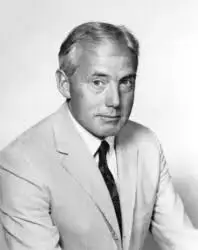
Hugh Esmor Huxley
|
male
|
Molecular biologist
|
United Kingdom
|
|
|
British molecular biologist who co-discovered the sliding filament mechanism of muscle contraction using X-ray diffraction and electron microscopy techniques. he win the Copley Medal In recognition of his pioneering work on the structure of muscle and on the molecular mechanisms of muscle contraction, providing solutions to one of the great problems in physiology.
|
|
1996
|
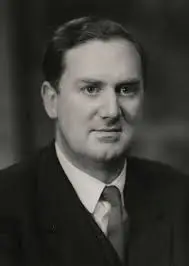
Alan Cottrell
|
male
|
Metallurgist / materials scientist
|
United Kingdom
|
|
|
British metallurgist and materials scientist who developed foundational theories of dislocations and solute atmospheres in metals, transforming modern metallurgy. he win the Copley Medal In recognition of his contribution to the understanding of mechanical properties of materials and related topics through his pioneering studies on crystal plasticity, dislocation impurity interactions, fracture and irradiation effects.
|
|
1995
|
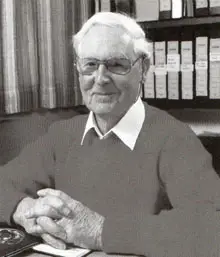
FJ Fenner
|
male
|
Virologist
|
Australia
|
|
|
Australian virologist who led the World Health Organization's successful global smallpox eradication campaign and pioneered research on myxomatosis in rabbits. he win the Copley Medal In recognition of his contribution to animal virology with special emphasis on the pox and myxomatosis viruses and their relationship with the host in causing disease.
|
|
1994
|
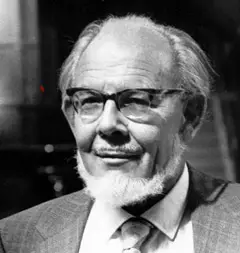
Charles Frank
|
male
|
Theoretical physicist
|
United Kingdom
|
|
|
British theoretical physicist known for the Frank-Read source explaining dislocation multiplication in crystals, advancing solid-state physics and crystallography. he win the Copley Medal In recognition of his fundamental contribution to the theory of crystal morphology.
|
|
1993
|
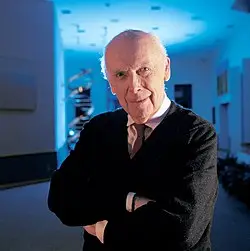
JD Watson
|
male
|
Molecular biologist / geneticist
|
United States
|
|
|
American molecular biologist who co-discovered the double-helix structure of DNA with Francis Crick in 1953, earning the 1962 Nobel Prize. he win the Copley Medal In recognition of his tireless pursuit of DNA, from the elucidation of its structure to the social and medical implications of the sequencing of the human genome.
|
|
1992
|
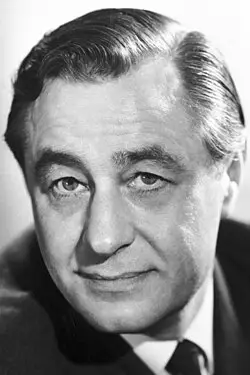
Lord Porter of Luddenham
|
male
|
Chemist
|
United Kingdom
|
|
|
British chemist who pioneered flash photolysis to study fast chemical reactions and free radicals, sharing the 1967 Nobel Prize in Chemistry. he win the Copley Medal In recognition of his contributions to fundamental understanding of fast photochemical and photophysical processes and their role in chemistry and biology.
|
|
1991
|
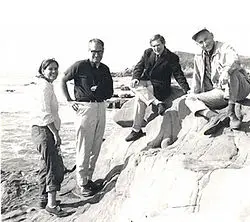
Sydney Brenner
|
male
|
Molecular biologist
|
United Kingdom
|
|
|
South African-born British molecular biologist who established C. elegans as a model organism and helped decipher the genetic code; Nobel laureate. he win the Copley Medal In recognition of his many contributions to molecular genetics and developmental biology, and his recent role in the Human Genome mapping project.
|
|
1990
|
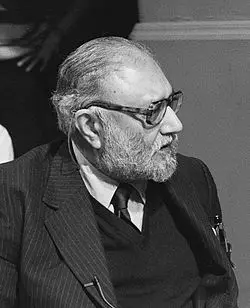
Abdus Salam
|
male
|
Theoretical physicist
|
Pakistan
|
|
|
Pakistani theoretical physicist who shared the 1979 Nobel Prize for unifying the electromagnetic and weak forces; first Pakistani Nobel laureate. he win the Copley Medal In recognition of his work on the symmetries of the laws of nature, and especially the unification of the electromagnetic and weak forces.
|
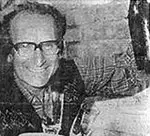
|
1989
|
Cesar Milstein
|
male
|
Biochemist
|
Argentina
|
|
|
Argentine-British biochemist who co-invented the hybridoma technique for producing monoclonal antibodies, sharing the 1984 Nobel Prize in Medicine. he win the Copley Medal In recognition of his outstanding contributions to immunology, in particular to the discovery of monoclonal antibodies and to the understanding of the role of somatic mutations in the maturation of the immune response.
|
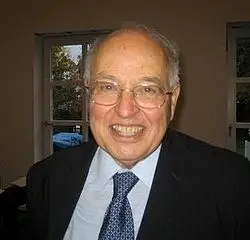
|
1988
|
Michael Atiyah
|
male
|
Mathematician
|
United Kingdom
|
|
|
British mathematician who proved the Atiyah-Singer index theorem linking topology and analysis, winning the Fields Medal and Abel Prize. he win the Copley Medal In recognition of his fundamental contributions to a wide range of topics in geometry, topology, analysis and theoretical physics.
|
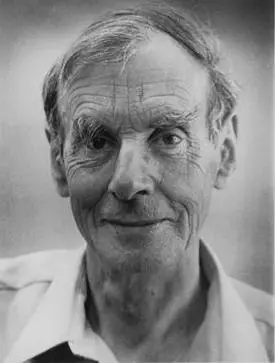
|
1987
|
Robert Hill
|
male
|
Plant biochemist
|
United Kingdom
|
|
|
British biochemist who discovered the Hill reaction, showing isolated chloroplasts release oxygen when illuminated, foundational to understanding photosynthesis mechanisms. he win the Copley Medal In recognition of his pioneering contributions to the understanding of the nature and mechanism of the main pathway of electron transport in photosynthesis.
|
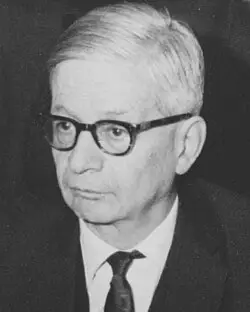
|
1986
|
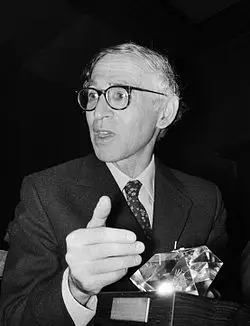
Rudolf Peierls
|
male
|
Physicist
|
United Kingdom
|
|
|
German-born British theoretical physicist who co-authored the Frisch-Peierls memorandum showing an atomic bomb was feasible, shaping the Manhattan Project. he win the Copley Medal In recognition of his fundamental contributions to a very wide range of theoretical physics, and signal advances in proposing the probable existence of nuclear chain reactions in fissile materials.
|
|
1985
|
Aaron Klug
|
male
|
Chemist and biophysicist
|
United Kingdom
|
|
|
Lithuanian-born British molecular biologist awarded the 1982 Nobel Prize in Chemistry for developing crystallographic electron microscopy to study nucleic acid-protein complexes. he win the Copley Medal In recognition of his outstanding contributions to our understanding of complex biological structures and the methods used for determining them.
|
|
1984
|
|
male
|
Astrophysicist
|
United States
|
|
|
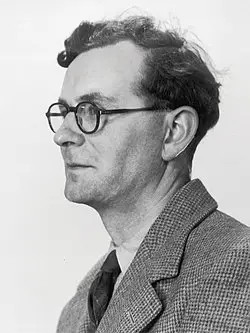
Indian-American astrophysicist who won the 1983 Nobel Prize in Physics for theoretical work on stellar structure, defining the Chandrasekhar limit for white dwarfs. he win the Copley Medal In recognition of his distinguished work on theoretical physics, including stellar structure, theory of radiation, hydrodynamic stability and relativity.
|
|
1983
|
Rodney Robert Porter
|
male
|
Biochemist
|
United Kingdom
|
|
|
British biochemist who shared the 1972 Nobel Prize in Physiology or Medicine for determining the chemical structure of antibodies and immunoglobulins. he win the Copley Medal In recognition of his elucidation of the structure of immunoglobulins and of the reactions involved in activating the complement system of proteins.
|

|
1982
|
John Cornforth
|
male
|
Organic chemist
|
United Kingdom
|
|
|
Australian-British chemist awarded the 1975 Nobel Prize in Chemistry for research on the stereochemistry of enzyme-catalyzed reactions, despite profound deafness. he win the Copley Medal In recognition of his distinguished research on the stereochemically-controlled synthesis and biosynthesis of biologically important molecules.
|

|
1981
|
Peter Dennis Mitchell
|
male
|
Biochemist
|
United Kingdom
|
|
|
British biochemist who won the 1978 Nobel Prize in Chemistry for formulating the chemiosmotic theory explaining ATP synthesis via proton gradients in mitochondria. he win the Copley Medal In recognition of his distinguished contribution to biology in his formulation and development of the chemiosmotic theory of energy transduction.
|
|
|
1980
|
Peter Dennis Mitchell
|
male
|
Biochemist
|
United Kingdom
|
|
|
British biochemist who won the 1978 Nobel Prize in Chemistry for formulating the chemiosmotic theory explaining ATP synthesis via proton gradients in mitochondria. he win the Copley Medal In recognition of his distinguished contribution to biology in his formulation and development of the chemiosmotic theory of energy transduction.
|

|
1979
|
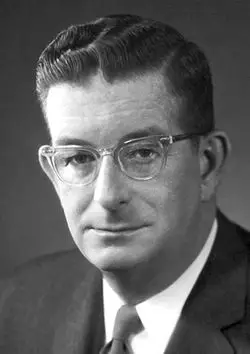
Max Ferdinand Perutz
|
male
|
Molecular biologist
|
United Kingdom
|
|
|
Austrian-born British molecular biologist who shared the 1962 Nobel Prize in Chemistry for determining the three-dimensional structure of haemoglobin. he win the Copley Medal In recognition of his distinguished contributions to molecular biology through his own studies of the structure and biological activity of haemoglobin and his leadership in the development of the subject.
|
|
1978
|
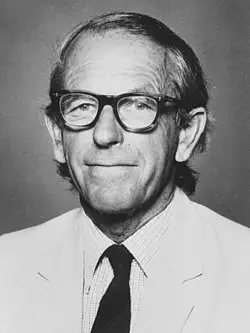
Robert Burns Woodward
|
male
|
Organic chemist
|
United States
|
|
|
American chemist awarded the 1965 Nobel Prize in Chemistry, celebrated for pioneering total synthesis of complex natural products like quinine, cholesterol, and chlorophyll. he win the Copley Medal In recognition of his masterly contributions to the synthesis of complex natural products and his discovery of the importance of orbital symmetry.
|
|
1977
|
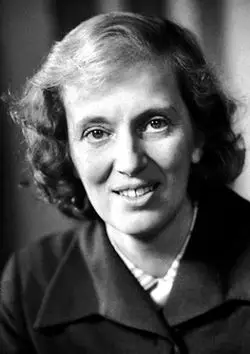
Frederick Sanger
|
male
|
Biochemist
|
United Kingdom
|
|
|
British biochemist and double Nobel laureate (1958, 1980) who developed methods for sequencing proteins (insulin) and DNA, transforming molecular biology. he win the Copley Medal In recognition of his distinguished work on the chemical structure of proteins and his studies on the sequences of nucleic acids.
|
|
1976
|
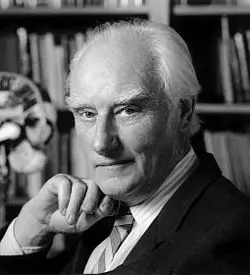
Dorothy Mary Crowfoot Hodgkin
|
male
|
Chemist (X-ray crystallographer)
|
United Kingdom
|
|
|
British chemist who won the 1964 Nobel Prize in Chemistry for determining the structures of penicillin, vitamin B12, and insulin using X-ray crystallography. he win the Copley Medal In recognition of her outstanding work on the structures of complex molecules, particularly Penicillin, vitamin B12 and insulin.
|
|
1975
|
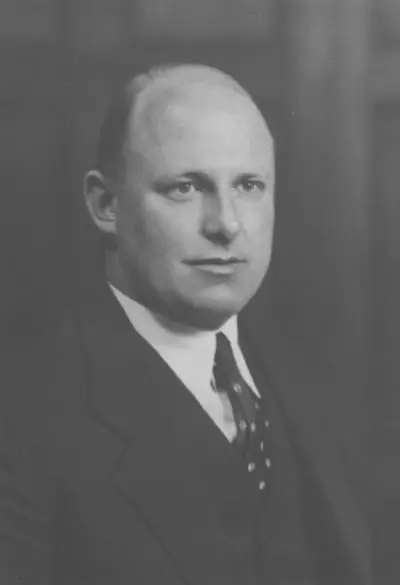
Francis Crick
|
male
|
Molecular biologist and physicist
|
United Kingdom
|
|
|
British molecular biologist who, with James Watson, co-discovered the double-helix structure of DNA in 1953, earning the 1962 Nobel Prize. he win the Copley Medal In recognition of his elucidation of the structure of DNA and his continuing contribution to molecular biology.
|
|
1974
|
|
male
|
Mathematician
|
United Kingdom
|
|
|
Scottish mathematician renowned for Hodge theory in algebraic geometry and topology, and for formulating the still-unsolved Hodge conjecture. he win the Copley Medal In recognition of his pioneering work in algebraic geometry, notably in his theory of harmonic integrals. and in 1936 win Adams Prize for The theory of algebraic systems of curves on an algebraic surface.
|
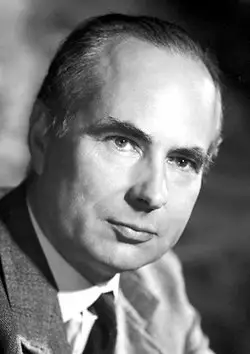
|
1973
|
AF Huxley
|
male
|
Physiologist
|
United Kingdom
|
|
|
British physiologist who, with Alan Hodgkin, developed the Hodgkin-Huxley model explaining nerve impulse propagation, earning the 1963 Nobel Prize. he win the Copley Medal In recognition of his outstanding studies on the mechanisms of the nerve impulse and of activation of muscular contraction.
|
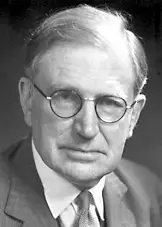
|
1972
|
Nevill Mott
|
male
|
Physicist
|
United Kingdom
|
|
|
British physicist who shared the 1977 Nobel Prize in Physics for theoretical work on the electronic structure of magnetic and disordered amorphous systems. he win the Copley Medal In recognition of his original contributions over a long period to atomic and solid state physics.
|
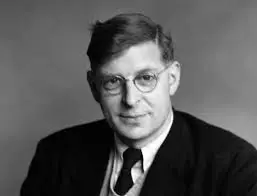
|
1971
|
Norman Wingate Pirie
|
male
|
Biochemist and virologist
|
United Kingdom
|
|
|
British biochemist who co-crystallized tobacco mosaic virus, clarifying the nature of viruses, and later pioneered leaf protein concentrate research to combat malnutrition. he win the Copley Medal In recognition of his distinguished contributions to biochemistry and especially for his elucidation of the nature of plant viruses.
|
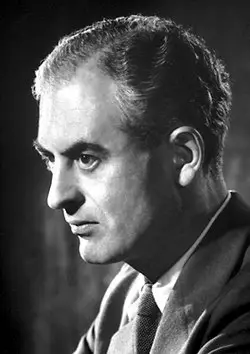
|
1969
|
Peter Medawar
|
male
|
Biologist (immunologist)
|
United Kingdom
|
|
|
Brazilian-born British biologist who won the 1960 Nobel Prize in Physiology or Medicine for discovering acquired immunological tolerance, enabling organ transplantation. he win the Copley Medal In recognition of his distinguished studies of tissue transplantation and immunological tolerance.
|
|
1968
|
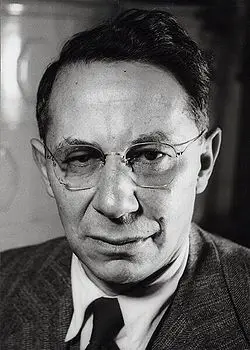
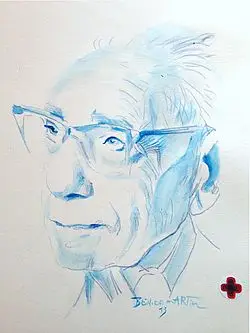
T Reichstein
|
male
|
Chemist
|
Switzerland
|
|
|
Polish-born Swiss chemist who shared the 1950 Nobel Prize in Physiology or Medicine for research on hormones of the adrenal cortex, including cortisone. he win the Copley Medal In recognition of his distinguished work on the chemistry of vitamin C and his authoritative studies of the cortico-steroids.
|
|
1967
|
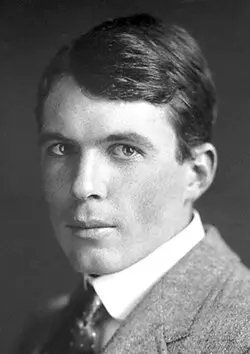
B Katz
|
male
|
Biophysicist
|
United Kingdom
|
|
|
German-born British biophysicist who shared the 1970 Nobel Prize in Physiology or Medicine for discoveries on neurotransmitter release at nerve terminals. he win the Copley Medal In recognition of his distinguished contributions to knowledge of the fundamental processes involved in transmission across the neuromuscular junction.
|
|
1966
|
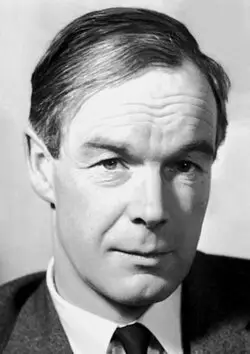
Lawrence Bragg
|
male
|
Physicist
|
United Kingdom
|
|
|
Australian-born British physicist who, with his father, won the 1915 Nobel Prize in Physics for founding X-ray crystallography, becoming its youngest-ever laureate. he win the Copley Medal In recognition of his distinguished contributions to the development of methods of structural determination by X-ray diffraction.
|
|
1965
|
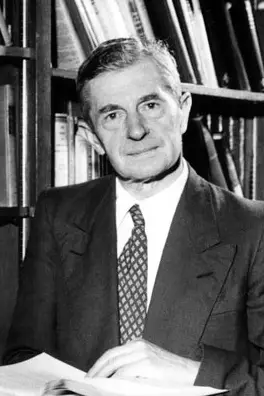
AL Hodgkin
|
male
|
Physiologist and biophysicist
|
United Kingdom
|
|
|
British physiologist who, with Andrew Huxley, explained the ionic mechanism of nerve impulses, winning the 1963 Nobel Prize in Physiology or Medicine. he win the Copley Medal In recognition of his discovery of the mechanism of excitation and impulse conduction in nerve, and his outstanding leadership in the development of neurophysiology.
|
|
1964
|
|
male
|
Mathematician and geophysicist
|
United Kingdom
|
|
|
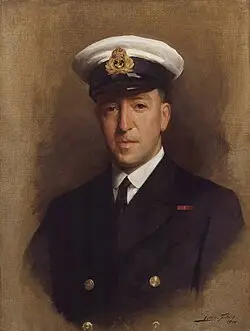
British mathematician and geophysicist known for the Chapman-Enskog theory of gases and pioneering work on geomagnetism, atmospheric physics, and the aurora. he win the Copley Medal In recognition of his theoretical contributions to terrestrial and interplanetary magnetism, the ionosphere and the aurora borealis. and in 1928 win Adams Prize for The variations in the Earth's magnetic field in relation to electric phenomena in the upper atmosphere and on the Earth
|
|
1963
|
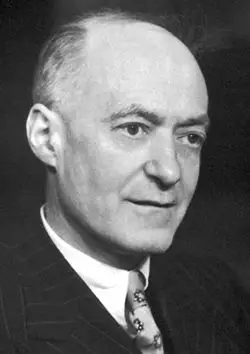
Paul Fildes
|
male
|
Bacteriologist
|
United Kingdom
|
|
|
British bacteriologist who pioneered chemical microbiology and bacterial nutrition studies, and led Britain's biological warfare research program at Porton Down. he win the Copley Medal In recognition of his pioneering contributions to bacteriology.
|
|
1962
|
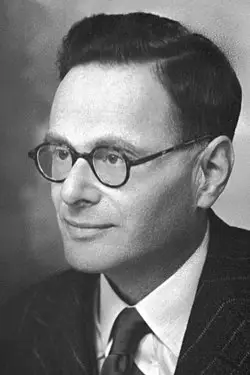
Cyril Hinshelwood
|
male
|
Physical chemist
|
United Kingdom
|
|
|
British physical chemist awarded the 1956 Nobel Prize in Chemistry for research on the mechanism of chemical reactions and chain reaction kinetics. he win the Copley Medal In recognition of his distinguished researches in the field of chemical kinetics, including the study of biological reaction mechanisms, and of his outstanding contributions to natural philosophy.
|
|
1961
|
Hans Krebs
|
male
|
Biochemist
|
United Kingdom
|
|
|
German-born British biochemist who discovered the citric acid cycle of cellular respiration, winning the 1953 Nobel Prize in Physiology or Medicine. he win the Copley Medal In recognition of his distinguished contributions to biochemistry, in particular his work on the ornithine, tricarboxylic acid and glyoxylate cycles.
|
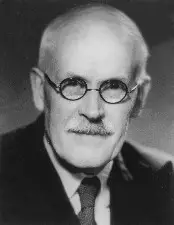
|
1960
|
|
male
|
Mathematician, statistician, and geophysicist
|
United Kingdom
|
|
|
British mathematician, statistician, and geophysicist who advanced Bayesian statistics and theories of Earth's internal structure, seismology, and planetary formation. he win the Copley Medal In recognition of his distinguished work in many branches of geophysics, and also in the theory of probability and astronomy.
|
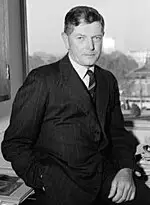
|
1959
|
Macfarlane Burnet
|
male
|
Virologist and immunologist
|
Australia
|
|
|
Australian virologist and immunologist who developed the clonal selection theory of acquired immunity, sharing the 1960 Nobel Prize in Physiology or Medicine. he win the Copley Medal In recognition of his distinguished contributions to knowledge of viruses and of immunology.
|
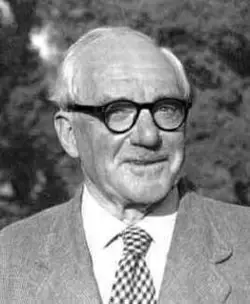
|
1958
|
John Edensor Littlewood
|
male
|
Mathematician
|
United Kingdom
|
|
|
British mathematician renowned for analytic number theory and his long collaboration with G. H. Hardy on the circle method and inequalities. he win the Copley Medal In recognition of his distinguished contributions to many branches of analysis, including Tauberian theory, the Riemann zeta function, and non-linear differential equations.
|
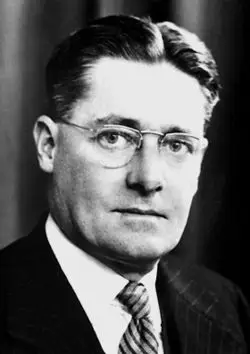
|
1957
|
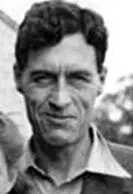
Howard Florey
|
male
|
Pathologist
|
Australia
|
|
|
Australian-British pathologist who, with Ernst Chain, developed penicillin into a usable drug, sharing the 1945 Nobel Prize in Physiology or Medicine. he win the Copley Medal In recognition of his distinguished contributions to experimental pathology and medicine.
|
|
1956
|
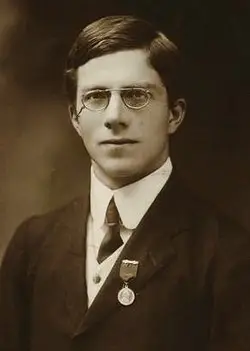
Patrick Maynard Stuart Blackett
|
male
|
Physicist
|
United Kingdom
|
|
|
British physicist who improved the Wilson cloud chamber for cosmic-ray research, winning the 1948 Nobel Prize in Physics. he win the Copley Medal In recognition of his outstanding studies of cosmic ray showers and heavy mesons and in the field of palaeomagnetism.
|
|
1955
|
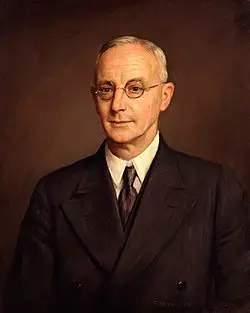
Ronald Fisher
|
male
|
Statistician and geneticist
|
United Kingdom
|
|
|
British statistician and geneticist, a founder of modern statistical science and population genetics, known for analysis of variance and maximum likelihood methods. he win the Copley Medal In recognition of his numerous and distinguished contributions to developing the theory and application of statistics for making quantitative a vast field of biology.
|
|
1954
|
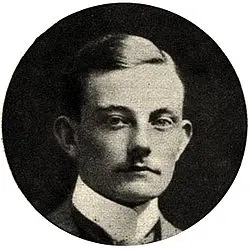
Edmund Whittaker
|
male
|
Mathematician
|
United Kingdom
|
|
|
British mathematician known for work in mathematical physics and celestial mechanics, and for his influential textbook A Course of Modern Analysis. he win the Copley Medal for hisdistinguished contributions to both pure and applied mathematics and to theoretical physics.
|
|
1953
|
Albert Jan Kluyver
|
male
|
Microbiologist
|
Netherlands
|
|
|
Dutch microbiologist who established the unity of biochemistry concept, showing common metabolic pathways across microorganisms, plants, and animals through comparative biochemistry. he win the Copley Medal for hisdistinguished contributions of a fundamental character to the science of microbiology.
|
|
1952
|
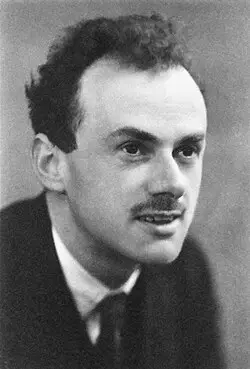
Paul Adrian Maurice Dirac
|
male
|
Theoretical physicist
|
United Kingdom
|
|
|
British theoretical physicist who formulated the Dirac equation, unifying quantum mechanics and relativity, predicted antimatter, and won the 1933 Nobel Prize. he win the Copley Medal In recognition of his remarkable contributions to relativistic dynamics of a particle in quantum mechanics.
|
|
1951
|
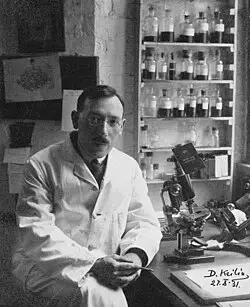
David Keilin
|
male
|
Biochemist and parasitologist
|
United Kingdom
|
|
|
British biochemist and parasitologist, born in Poland, who discovered cytochromes and elucidated their central role in cellular respiration and electron transport. he win the Copley Medal for hisfundamental researches in the fields of protozoology, entomology and the biochemistry of enzymes.
|
|
1950
|
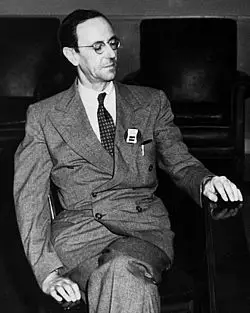
James Chadwick
|
male
|
Physicist
|
United Kingdom
|
|
|
British physicist who discovered the neutron in 1932, earning the 1935 Nobel Prize in Physics and enabling nuclear fission research. he win the Copley Medal for hisoutstanding work in nuclear physics and in the development of atomic energy, especially for his discovery of the neutron.
|
|
1949
|
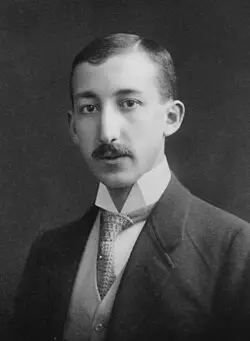
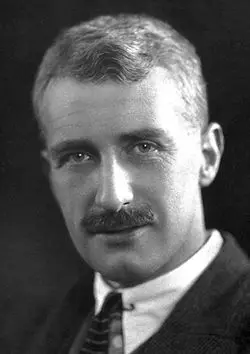
George Charles De Hevesy
|
male
|
Chemist
|
Hungary
|
|
|
Hungarian chemist who pioneered radioactive isotopes as tracers in chemical and biological research, winning the 1943 Nobel Prize in Chemistry. he win the Copley Medal for hisdistinguished work on the chemistry of radioactive elements and especially for his development of the radioactive tracer techniques in the investigation of biological processes.
|
|
1948
|
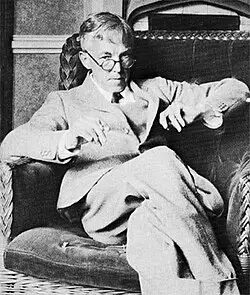
Archibald Vivian Hill
|
male
|
Physiologist
|
United Kingdom
|
|
|
British physiologist who pioneered study of heat production in muscle contraction, sharing the 1922 Nobel Prize in Physiology or Medicine. he win the Copley Medal for hisdistinguished researches on myothermal problems and on biophysical phenomena in nerve and other tissues.
|
|
1947
|
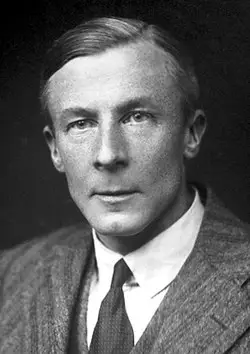
Godfrey Harold Hardy
|
male
|
Mathematician
|
United Kingdom
|
|
|
British mathematician renowned for work in number theory and mathematical analysis, his collaboration with Littlewood and Ramanujan, and A Mathematician's Apology. he win the Copley Medal for hisdistinguished part in the development of mathematical analysis in England during the last thirty years.
|
|
1946
|
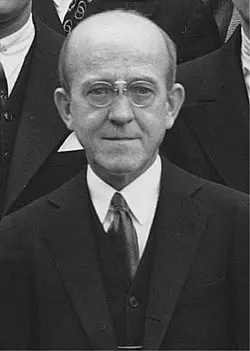
Edgar Douglas Adrian
|
male
|
Physiologist and neurophysiologist
|
United Kingdom
|
|
|
British physiologist and neuroscientist who studied nerve impulse transmission and sensory function, sharing the 1932 Nobel Prize in Physiology or Medicine. he win the Copley Medal for hisdistinguished researches on the fundamental nature of nervous activity, and recently on the localization of certain nervous functions.
|
|
1945
|
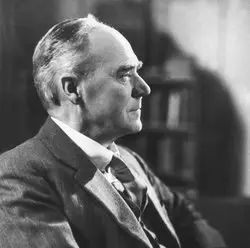
Oswald Theodore Avery
|
male
|
Bacteriologist and immunologist
|
United States
|
|
|
American-Canadian bacteriologist whose 1944 experiments with colleagues proved DNA, not protein, carries hereditary information, founding molecular genetics and modern biology. he win the Copley Medal for hissuccess in introducing chemical methods in the study of immunity against infective diseases.
|
|
1944
|
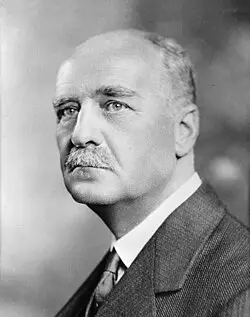
Geoffrey Taylor
|
male
|
Physicist and mathematician (fluid dynamicist)
|
United Kingdom
|
|
|
British physicist and mathematician who made foundational contributions to fluid dynamics, turbulence theory, and wave theory, shaping twentieth-century aerodynamics and engineering. he win the Copley Medal for hismany contributions to aerodynamics, hydrodynamics, and the structure of metals, which have had a profound influence on the advance of physical science and its applications.
|
|
1943
|
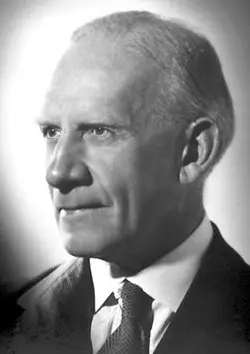
Joseph Barcroft
|
male
|
Physiologist
|
United Kingdom
|
|
|
British physiologist who studied blood, respiration, and oxygen transport, discovering how hemoglobin's oxygen affinity changes, advancing understanding of altitude and fetal physiology. he win the Copley Medal for hisdistinguished work on respiration and the respiratory function of the blood.
|
|
1942
|
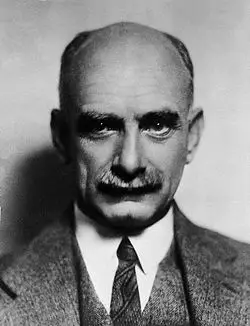
Robert Robinson
|
male
|
Organic chemist
|
United Kingdom
|
|
|
British organic chemist, 1947 Nobel laureate, who determined structures of alkaloids like morphine and strychnine and pioneered synthetic routes to penicillin. he win the Copley Medal for hisresearch work of outstanding originality and brilliance which has influenced the whole field of organic chemistry.
|
|
1941
|
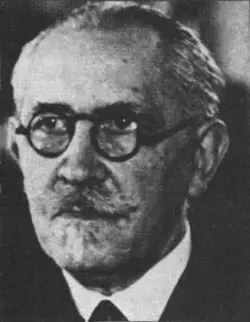
Thomas Lewis
|
male
|
Cardiologist
|
United Kingdom
|
|
|
Welsh-born British cardiologist regarded as father of clinical cardiac electrophysiology, pioneering use of the electrocardiograph to study heart rhythm disorders and disease. he win the Copley Medal for hisclinical and experimental investigations upon the mammalian heart.
|
|
1940
|
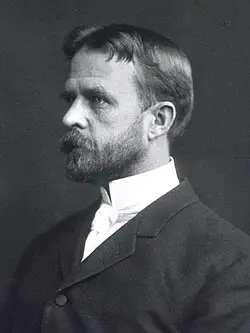
Paul Langevin
|
male
|
Physicist
|
France
|
|
|
French physicist who developed Langevin dynamics and paramagnetism theory, and pioneered ultrasonic sonar detection during World War I for submarine location. he win the Copley Medal for hispioneer work on the electron theory of magnetism, his fundamental contributions to discharge of electricity in gases, and his important work in many branches of theoretical physics.
|
|
1939
|
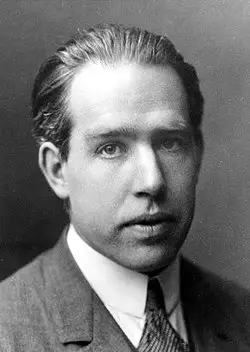
Thomas Hunt Morgan
|
male
|
Geneticist and embryologist
|
United States
|
|
|
American geneticist whose fruit-fly experiments established the chromosome theory of heredity, winning the 1933 Nobel Prize in Physiology or Medicine. he win the Copley Medal for hisestablishment of the modern science of genetics which had revolutionized our understanding, not only of heredity, but of the mechanism and nature of evolution.
|
|
1938
|
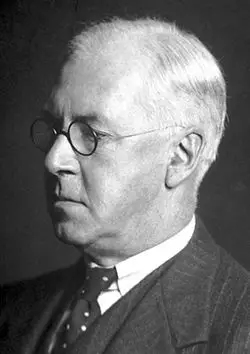
Niels Bohr
|
male
|
Physicist
|
Denmark
|
|
|
Danish physicist who developed the Bohr model of the atom and pioneered quantum theory, winning the 1922 Nobel Prize in Physics. he win the Copley Medal In recognition of his distinguished work in the development of the quantum theory of atomic structure.
|
|
1937
|
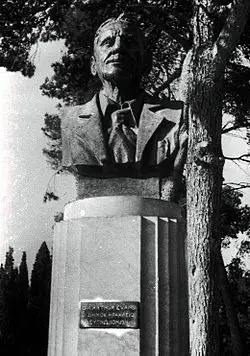
Henry Dale
|
male
|
Pharmacologist and physiologist
|
United Kingdom
|
|
|
British pharmacologist and physiologist who identified acetylcholine as a chemical neurotransmitter, sharing the 1936 Nobel Prize in Physiology or Medicine. he win the Copley Medal In recognition of his important contributions to physiology and pharmacology, particularly in relation to the nervous and neuro-muscular systems.
|
|
1936
|
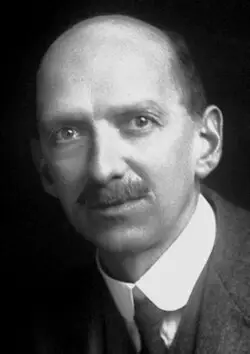
Arthur Evans
|
male
|
Archaeologist
|
United Kingdom
|
|
|
British archaeologist who excavated the Palace of Knossos on Crete, uncovering and naming the Bronze Age Minoan civilization of ancient Greece. he win the Copley Medal In recognition of his pioneer work in Crete, particularly his contributions to the history and civilization of its Minoan age.
|
|
1935
|
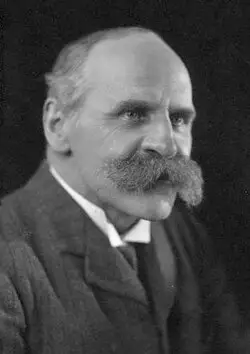
Charles Thomson Rees Wilson
|
male
|
Physicist
|
United Kingdom
|
|
|
Scottish physicist who invented the cloud chamber for visualizing charged particle tracks, earning the 1927 Nobel Prize in Physics. he win the Copley Medal for hiswork on the use of clouds in advancing our knowledge of atoms and their properties.
|
|
1934
|
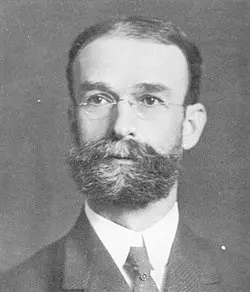
John Scott Haldane
|
male
|
Physiologist
|
United Kingdom
|
|
|
Scottish physiologist who pioneered study of respiratory gases, decompression sickness prevention, and mine safety, developing early oxygen therapy and gas masks. he win the Copley Medal In recognition of his discoveries in human physiology and of their application to medicine, mining, diving and engineering.
|
|
1933
|
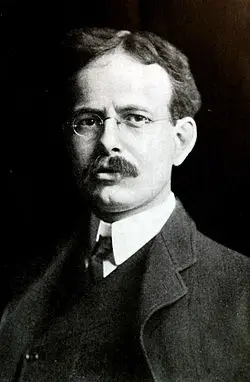
Theobald Smith
|
male
|
Pathologist and bacteriologist
|
United States
|
|
|
American pathologist who proved Texas cattle fever is transmitted by ticks, the first demonstration of an insect-borne infectious disease, founding modern parasitology. he win the Copley Medal for hisoriginal research and observation on diseases of animals and man.
|
|
1932
|
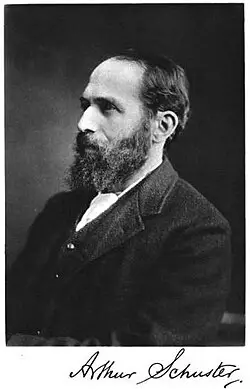
George Ellery Hale
|
male
|
Astronomer and astrophysicist
|
United States
|
|
|
American astronomer who founded the Yerkes and Mount Wilson observatories and discovered magnetic fields in sunspots using the spectroheliograph he invented. he win the Copley Medal for hisdistinguished work on the solar magnetic phenomena and for his eminence as a scientific engineer, especially in connexion with Mount Wilson Observatory.
|
|
1931
|
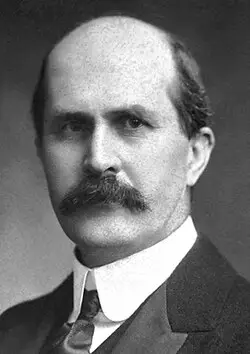
Arthur Schuster
|
male
|
Physicist
|
United Kingdom
|
|
|
German-born British physicist who researched spectroscopy, X-rays, and terrestrial magnetism, and helped establish the discipline of mathematical statistics in physics. he win the Copley Medal for hisdistinguished researches in optics and terrestrial magnetism.
|
|
1930
|
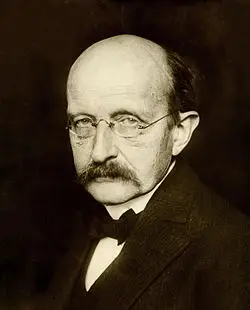
William Bragg
|
male
|
Physicist
|
United Kingdom
|
|
|
British physicist who, with son Lawrence, founded X-ray crystallography, sharing the 1915 Nobel Prize in Physics for determining crystal structures. he win the Copley Medal for hisdistinguished contributions to crystallography and radioactivity.
|
|
1929
|
Max Planck
|
male
|
Theoretical physicist
|
Germany
|
|
|
German theoretical physicist who originated quantum theory by proposing energy is quantized, winning the 1918 Nobel Prize in Physics. he win the Copley Medal for hiscontributions to theoretical physics and especially as the originator of the quantum theory.
|
|
1928
|
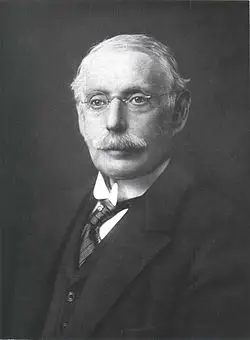
Charles Parsons
|
male
|
Engineer
|
United Kingdom
|
|
|
British engineer who invented the compound steam turbine, revolutionizing marine propulsion and electricity generation, demonstrated dramatically aboard his vessel Turbinia. he win the Copley Medal for hiscontributions to engineering science.
|
|
1927
|
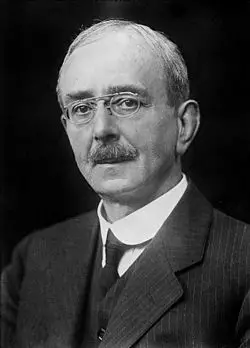
Charles Sherrington
|
male
|
Neurophysiologist
|
United Kingdom
|
|
|
British neurophysiologist who coined the term 'synapse' and elucidated reflex action and nervous system integration, sharing the 1932 Nobel Prize in Medicine. he win the Copley Medal for hisdistinguished work on neurology.
|
|
1926
|
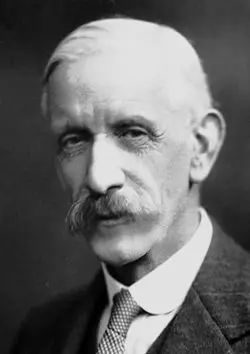
Frederick Hopkins
|
male
|
Biochemist
|
United Kingdom
|
|
|
British biochemist who discovered 'accessory food factors,' later called vitamins, and identified tryptophan, winning the 1929 Nobel Prize in Medicine. he win the Copley Medal for hisdistinguished and fruitful work in biochemistry.
|
|
1925
|
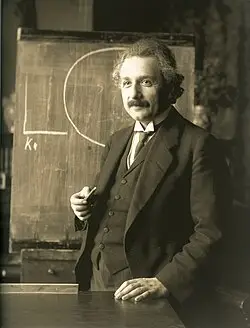
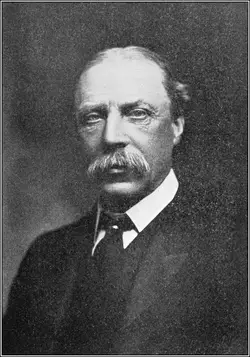
Albert Einstein
|
male
|
Theoretical physicist
|
Germany
|
|
|
German-born theoretical physicist who developed the theory of relativity, reshaping understanding of space, time, and gravity; awarded the 1921 Nobel Prize in Physics. he win the Copley Medal for histheory of relativity and his contributions to the quantum theory.
|
|
1924
|
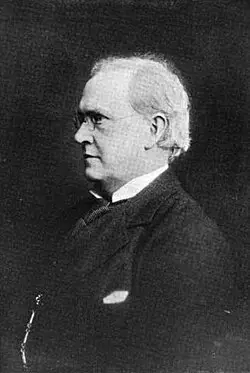
E Sharpey-Schafer
|
male
|
Physiologist
|
United Kingdom
|
|
|
British physiologist who, with George Oliver, discovered the pressor effects of adrenal and pituitary gland extracts, pioneering the science of endocrinology. For the valuable work he has done in physiology and histology and the position he now occupies as a leader in these sciences.
|
|
1923
|
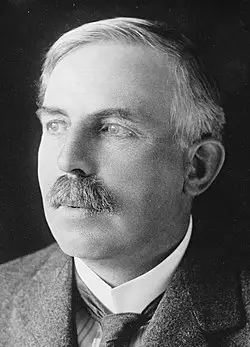
Horace Lamb
|
male
|
Mathematician
|
United Kingdom
|
|
|
British applied mathematician renowned for his treatise Hydrodynamics and for contributions to fluid dynamics, acoustics, and seismology, including the Lamb waves he described. he win the Copley Medal for hisresearches in mathematical physics.
|
|
1922
|
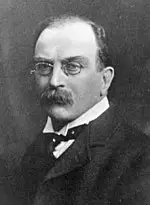
Ernest Rutherford
|
male
|
Physicist
|
New Zealand
|
|
|
New Zealand-born physicist called the father of nuclear physics; discovered the atomic nucleus and radioactive half-life, winning the 1908 Nobel Prize in Chemistry. he win the Copley Medal for hisresearches in radio activity & atomic structure.
|
|
1921
|
|
male
|
Physicist and mathematician
|
United Kingdom
|
|
|
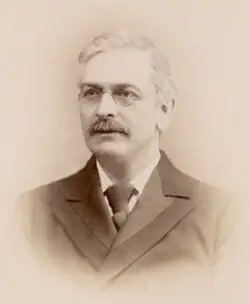
Irish physicist and mathematician who developed electron theory and equations anticipating Lorentz transformations, and served as Lucasian Professor of Mathematics at Cambridge. he win the Copley Medal for hisresearches in mathematical physics. and in 1899 win Adams Prize for The Theory of the Aberration of Light
|
|
1920
|
Horace Brown
|
male
|
Chemist
|
United Kingdom
|
|
|
British chemist who pioneered enzyme and carbohydrate chemistry, studying starch, cellulose, and plant respiration, with major applications to brewing and malting science. On the ground of his work on the chemistry of carbohydrates.
|
|
1919
|
William M Bayliss
|
male
|
Physiologist
|
United Kingdom
|
|
|
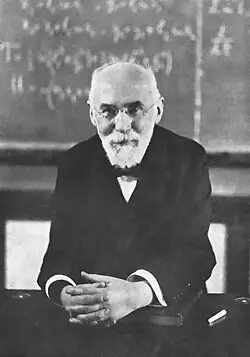
British physiologist who, with Ernest Starling, discovered secretin, the first identified hormone, establishing endocrinology and the modern concept of chemical messengers in the body. On the ground of his researches in general physiology & biophysics.
|
|
1918
|
Hendrik Antoon Lorentz
|
male
|
Physicist
|
Netherlands
|
|
|
Dutch physicist who formulated the Lorentz transformations underlying special relativity, and shared the 1902 Nobel Prize in Physics for work on electromagnetic radiation. On the ground of his distinguished researches in mathematical physics.
|
|
1917
|
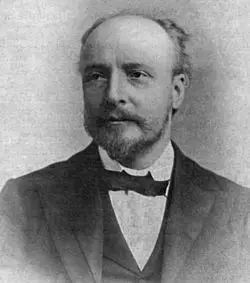
Emil Roux
|
male
|
Physician and bacteriologist
|
France
|
|
|
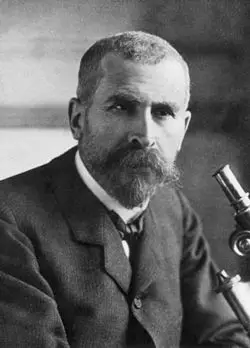
French physician and bacteriologist who co-developed the diphtheria antitoxin serum therapy and co-founded and later directed the Pasteur Institute in Paris. On the ground of his eminence as a bacteriologist, and as a pioneer in serum therapy.
|
|
1916
|
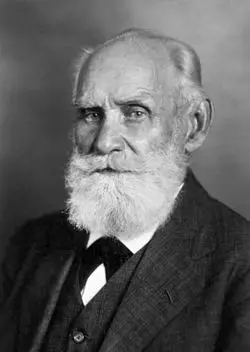
James Dewar
|
male
|
Chemist and physicist
|
United Kingdom
|
|
|
Scottish chemist and physicist who invented the vacuum-insulated Dewar flask and was the first to liquefy hydrogen, advancing low-temperature and cryogenic physics. he win the Copley Medal for hisimportant investigations in physical chemistry, more especially his researches on the liquefaction of gases.
|
|
1915
|
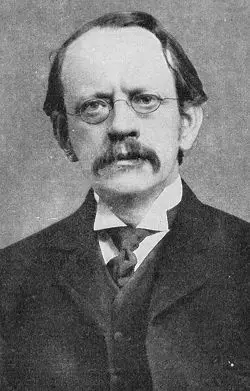
Ivan Petrovich Pavlov
|
male
|
Physiologist
|
Russia
|
|
|
Russian physiologist famous for discovering classical conditioning through experiments on digestive reflexes in dogs; awarded the 1904 Nobel Prize in Physiology or Medicine. On the ground of his investigations in the physiology of digestion and of the higher centres of the nervous system.
|
|
1914
|
|
male
|
Physicist
|
United Kingdom
|
|
|
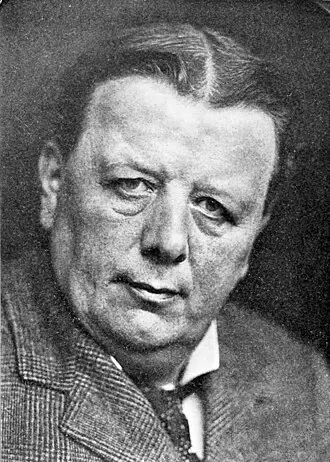
English physicist, Cavendish Professor of Physics at Cambridge, who discovered the electron in 1897 and proposed the "plum pudding" atomic model; awarded the 1906 Nobel Prize in Physics and mentored seven Nobel laureates and in 1883 win Adams Prize for A general investigation of the action upon each other of two closed vortices in a perfectly incompressible fluid
|
|
1913
|
Ray Lankester
|
male
|
Zoologist
|
United Kingdom
|
|
|
British zoologist and evolutionary biologist who directed the Natural History Museum, advanced comparative anatomy and degeneration theory, and championed Darwinian evolution in Britain. On the ground of the high scientific value of the researches in zoology carried out by him.
|
|
1912
|
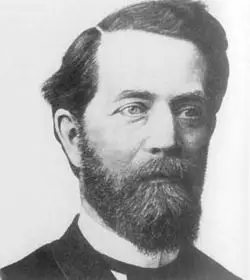
Felix Klein
|
male
|
Mathematician
|
Germany
|
|
|
German mathematician known for the Erlangen Program unifying geometry through group theory, and for describing the non-orientable surface now called the Klein bottle. On the ground of his researches in mathematics.
|
|
1911
|
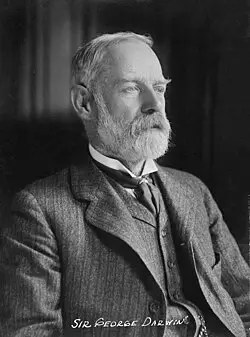
George Howard Darwin
|
male
|
Astronomer and mathematician
|
United Kingdom
|
|
|
British astronomer and mathematician, son of Charles Darwin, who studied tidal friction and theorized that the Moon originated from a molten early Earth. On the ground of his researches on tidal theory, the figures of the planets, and allied subjects.
|
|
1910
|
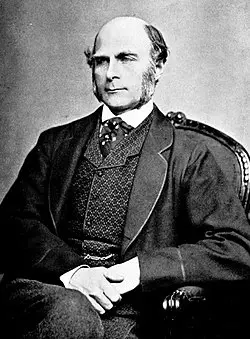
Francis Galton
|
male
|
Polymath (statistician, anthropologist, geneticist)
|
United Kingdom
|
|
|
British polymath who pioneered statistical correlation and regression, studied human heredity and intelligence, and controversially founded the eugenics movement bearing lasting scientific criticism. On the ground of his researches in heredity.
|
|
1909
|
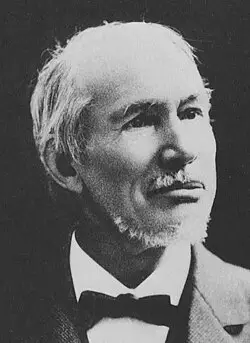
George William Hill
|
male
|
Astronomer and mathematician
|
United States
|
|
|
American astronomer and mathematician celebrated for his highly precise lunar theory and pioneering contributions to celestial mechanics, including periodic orbit solutions in dynamics. On the ground of his researches in mathematical astronomy.
|
|
1908
|
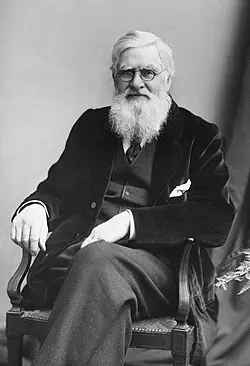
Alfred Russel Wallace
|
male
|
Naturalist
|
United Kingdom
|
|
|
British naturalist and biologist who independently conceived the theory of evolution by natural selection, prompting Charles Darwin's joint 1858 announcement of the theory. On the ground of the great value of his numerous contributions to natural history, and of the part he took in working out the theory of the origin of species by natural selection.
|
|
1907
|
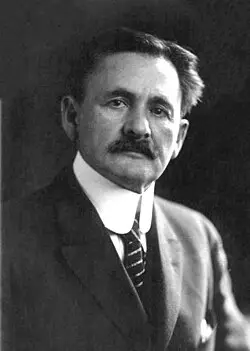
Albert Abraham Michelson
|
male
|
Physicist
|
United States
|
|
|
American physicist who conducted the Michelson-Morley experiment and precisely measured the speed of light, becoming the first American to win a science Nobel Prize. On the ground of his investigations in optics.
|
|
1906
|
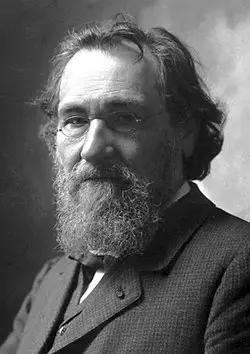
Elias Metchnikoff
|
male
|
Zoologist and microbiologist (immunologist)
|
Russia
|
|
|
Russian-French zoologist who discovered phagocytosis, the process by which cells engulf pathogens, founding cellular immunology and sharing the 1908 Nobel Prize in Medicine. On the ground of the importance of his work in zoology and in pathology.
|
|
1905
|
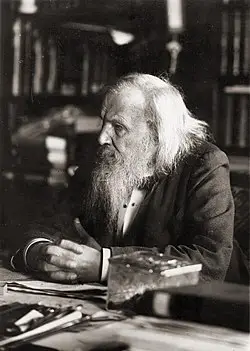
Dmitri Ivanovitch Mendeleeff
|
male
|
Chemist
|
Russia
|
|
|
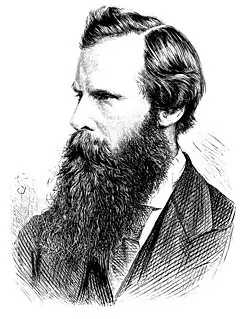
Russian chemist who devised the periodic table of elements, arranging them by atomic weight and predicting properties of then-undiscovered elements. he win the Copley Medal for hiscontributions to chemical and physical science.
|
|
1904
|
William Crookes
|
male
|
Chemist and physicist
|
United Kingdom
|
|
|
English chemist and physicist who discovered thallium, invented the Crookes tube, and pioneered research into cathode rays and radiant matter. he win the Copley Medal for hislong-continued researches in spectroscopic chemistry, on electrical & mechanical phenomena in highly-rarefied gases, on radio-active phenomena, and other subjects.
|
|
1903
|
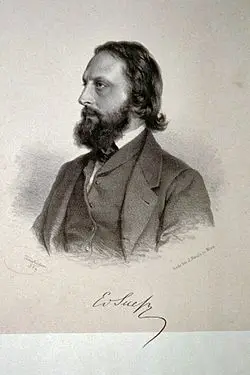
Eduard Suess
|
male
|
Geologist
|
Austria
|
|
|
Austrian geologist who proposed the ancient supercontinent Gondwana and the concept of the biosphere, authoring the influential work Das Antlitz der Erde. he win the Copley Medal for hiseminent geological services, & especially for the original researches & conclusions published in his great work "Das Antlitz der Erde".
|
|
1902
|
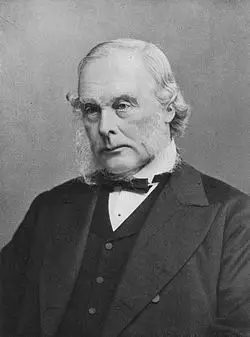
Lord Lister
|
male
|
Surgeon
|
United Kingdom
|
|
|
English surgeon who pioneered antiseptic surgery using carbolic acid, dramatically reducing post-operative infections and revolutionizing surgical practice worldwide. he win the Copley Medal In recognition of the value of his physiological and pathological researches in regard to their influence on the modern practice of surgery.
|
|
1901
|
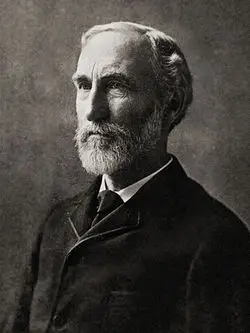
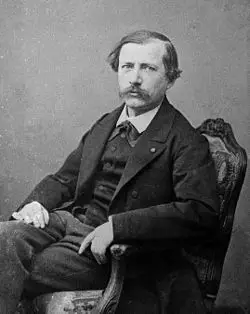
J Willard Gibbs
|
male
|
Physicist and chemist
|
United States
|
|
|
American scientist who founded chemical thermodynamics and statistical mechanics, formulating the Gibbs free energy concept and the phase rule. he win the Copley Medal for hiscontributions to mathematical physics.
|
|
1900
|
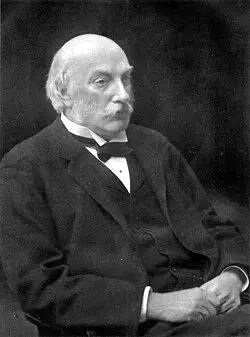
Marcellin Berthelot
|
male
|
Chemist
|
France
|
|
|
French chemist who pioneered organic synthesis, creating compounds like acetylene and methane in the laboratory, and advanced thermochemistry. he win the Copley Medal for hisbrilliant services to chemical science.
|
|
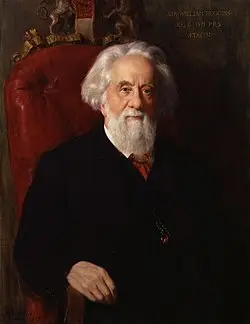
1899
|
Lord Rayleigh
|
male
|
Physicist
|
United Kingdom
|
|
|
English physicist who co-discovered argon, explained why the sky is blue via Rayleigh scattering, and won the 1904 Nobel Prize. he win the Copley Medal In recognition of his contributions to physical science.
|
|
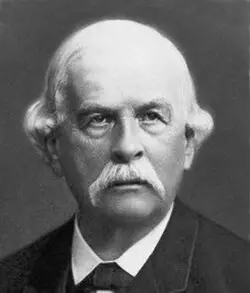
1898
|
William Huggins
|
male
|
Astronomer
|
United Kingdom
|
|
|
English astronomer who pioneered astronomical spectroscopy, analyzing starlight to determine the chemical composition and motion of stars and nebulae. he win the Copley Medal for hisresearches in spectrum analysis applied to the heavenly bodies.
|
|
1897
|
Albert von Kolliker
|
male
|
Anatomist and physiologist
|
Switzerland
|
|
|
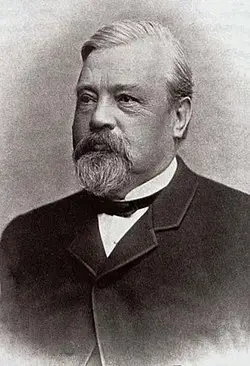
Swiss anatomist and physiologist who advanced histology and embryology, demonstrating that nerve fibers originate from nerve cells, and studied tissue microstructure. he win the Copley Medal In recognition of his important work in embryology, comparative anatomy, and physiology, and especially for his eminence as a histologist.
|
|
1896
|
Karl Gegenbaur
|
male
|
Anatomist
|
Germany
|
|
|
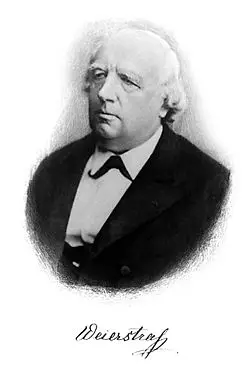
German anatomist who founded evolutionary comparative anatomy, using morphological evidence to support Darwinian theory and mentoring the young Ernst Haeckel. he win the Copley Medal for hislife-long researches in comparative anatomy in all branches of the animal kingdom.
|
|
1895
|
Karl Weierstrass
|
male
|
Mathematician
|
Germany
|
|
|
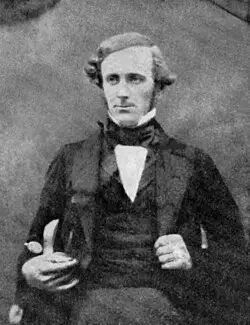
German mathematician known as the father of modern analysis, formalizing calculus with rigorous epsilon-delta definitions of limits and continuity. he win the Copley Medal for hisinvestigations in pure mathematics.
|
|
1894
|
Edward Frankland
|
male
|
Chemist
|
United Kingdom
|
|
|
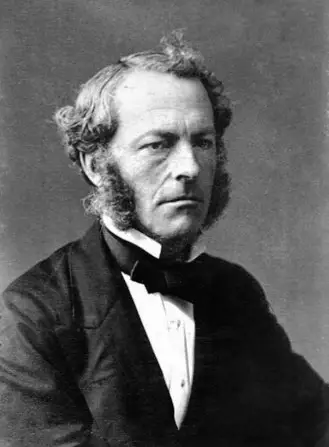
English chemist who developed the theory of valency in organometallic chemistry and pioneered water quality analysis and sanitary chemistry. he win the Copley Medal for hiseminent services to theoretical & applied chemistry.
|
|
1893
|
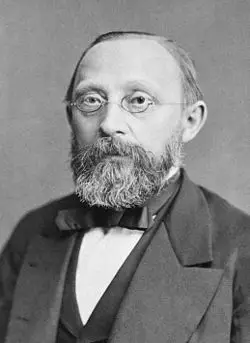
George Gabriel Stokes
|
male
|
Mathematician and physicist
|
United Kingdom
|
|
|
Irish-born mathematician and physicist who formulated Stokes' law of viscosity, contributed to the Navier-Stokes equations, and studied fluorescence and light. he win the Copley Medal for hisresearches and discoveries in physical science.
|
|
1892
|
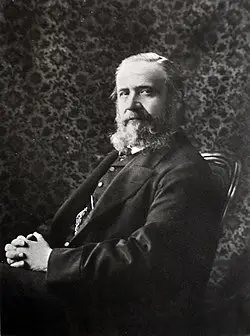
Rudolf Virchow
|
male
|
Physician and pathologist
|
Germany
|
|
|
German physician known as the father of modern pathology, establishing cellular pathology and the principle that all cells arise from cells. he win the Copley Medal for hisinvestigations in pathology, pathological anatomy, and prehistoric archaeology.
|
|
1891
|
Stanislao Cannizzaro
|
male
|
Chemist
|
Italy
|
|
|
Italian chemist who revived Avogadro's hypothesis, helping establish a consistent system of atomic weights and molecular theory in chemistry. he win the Copley Medal for hiscontributions to chemical philosophy especially for his application of Avogadros theory.
|
|
1889
|
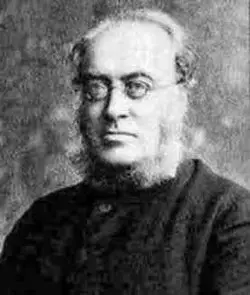
George Salmon
|
male
|
Mathematician and theologian
|
Ireland
|
|
|
Irish mathematician and theologian who advanced algebraic geometry and invariant theory, and served as Provost of Trinity College Dublin. he win the Copley Medal for hisvarious papers on subjects of pure mathematics, and for the valuable mathematical treatises of which he is the author.
|
|
1888
|
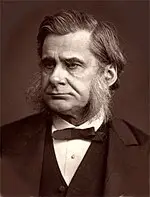
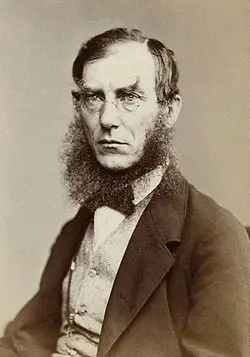
Thomas Henry Huxley
|
male
|
Biologist
|
United Kingdom
|
|
|
English biologist known as 'Darwin's Bulldog' for his vigorous public defense of evolution by natural selection and comparative anatomy work. he win the Copley Medal for hisinvestigations on the morphology and histology of vertebrate and invertebrate animals, and for his services to biological science in general during many past years.
|
|
1887
|
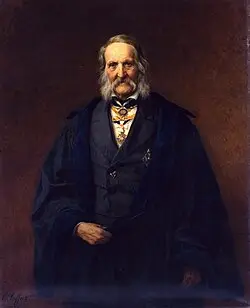
Joseph Dalton Hooker
|
male
|
Botanist and explorer
|
United Kingdom
|
|
|
English botanist and explorer who directed Kew Gardens, advanced plant geography, and was a close friend and supporter of Charles Darwin. he win the Copley Medal for hisservices to botanical science as an investigator, author, and traveller.
|
|
1886
|
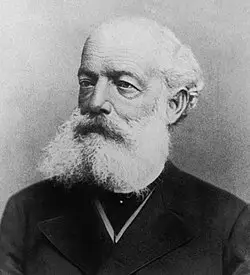
Franz Ernst Neumann
|
male
|
Physicist and mineralogist
|
Germany
|
|
|
German physicist and mineralogist who advanced mathematical physics and crystallography, formulating Neumann's principle and contributing to elasticity theory and optics. he win the Copley Medal for hisresearches in theoretical optics and electro-dynamics.
|
|
1885
|
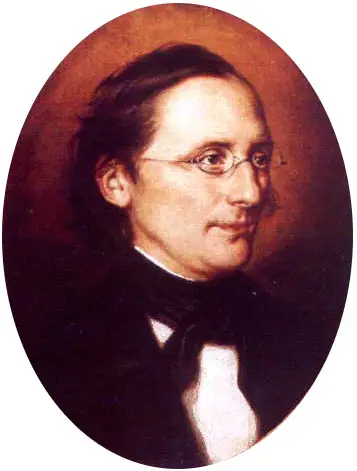
August Kekule
|
male
|
Chemist
|
Germany
|
|
|
German organic chemist who proposed the ring structure of benzene, reportedly inspired by a dream, advancing structural theory of chemistry. he win the Copley Medal for hisresearches in organic chemistry.
|
|
1884
|
Carl Ludwig
|
male
|
Physiologist and physician
|
Germany
|
|
|
German physiologist who invented the kymograph, pioneered graphic recording methods in physiology, and founded Leipzig's influential Physiological Institute, training generations of scientists. he win the Copley Medal for hisinvestigations in physiology, and the great services which he has rendered to physiological science.
|
|
1883
|
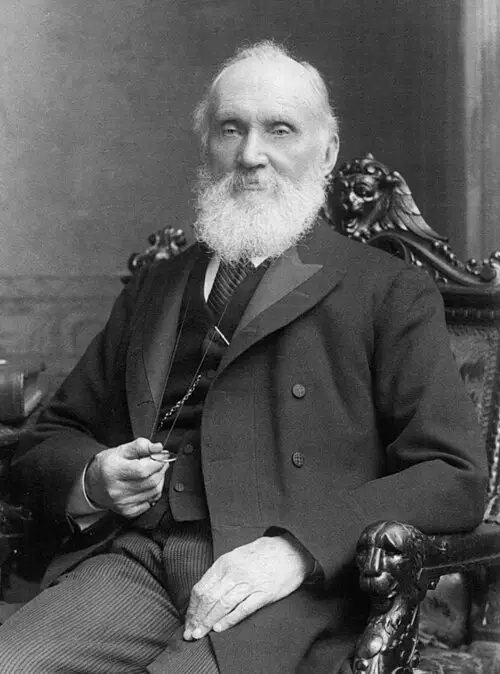
William Thomson
|
male
|
Mathematical physicist and engineer
|
United Kingdom
|
|
|
Irish-born physicist and engineer (Lord Kelvin) who established the absolute temperature scale, advanced thermodynamics, and helped develop the transatlantic telegraph cable. For (1) his discovery of the law of the universal dissipation of energy; (2) his researches and eminent services in physics, both experimental & mathematical, especially in the theory of electricity and thermodynamics.
|
|
1882
|
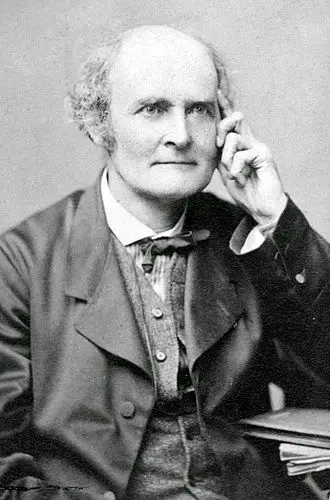
Arthur Cayley
|
male
|
Mathematician
|
United Kingdom
|
|
|
English mathematician who founded modern matrix algebra, proved the Cayley-Hamilton theorem, and made foundational contributions to group theory and algebraic geometry. he win the Copley Medal for hisnumerous profound and comprehensive researches in pure mathematics.
|
|
1881
|
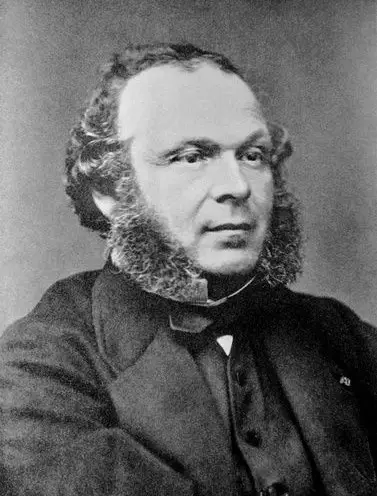
Charles-Adolphe Wurtz
|
male
|
Chemist
|
France
|
|
|
French chemist who discovered the Wurtz reaction for forming carbon-carbon bonds, championed atomic theory, and advanced organic chemistry education in France. he win the Copley Medal for hisdiscovery of the organic ammonias, the glycols, and other investigations which have exercised considerable influence on the progress of chemistry.
|
|
1880
|
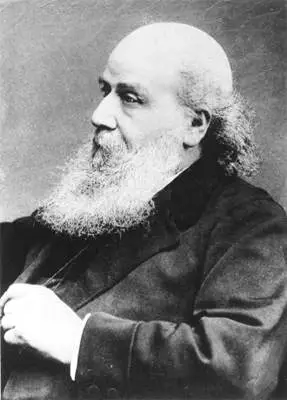
James Joseph Sylvester
|
male
|
Mathematician
|
United Kingdom
|
|
|
English mathematician who coined the terms 'matrix' and 'discriminant', made major contributions to invariant theory, and founded the American Journal of Mathematics. he win the Copley Medal for hislong continued investigations & discoveries in mathematics.
|
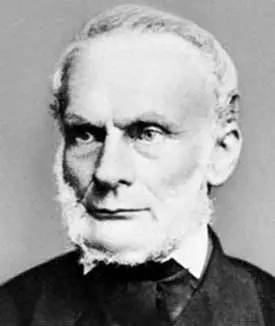
|
1879
|
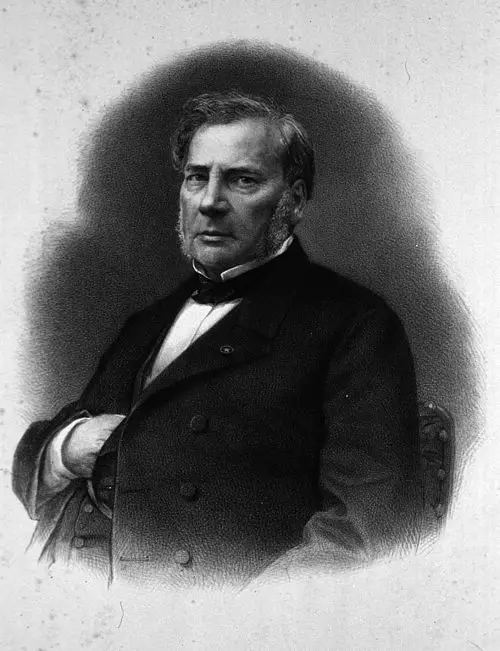
Rudolph Julius Emmanuel Clausius
|
male
|
Physicist and mathematician
|
Germany
|
|
|
German physicist who formulated the second law of thermodynamics and introduced the concept and term 'entropy', foundational to modern thermal physics. he win the Copley Medal for hiswell-known researches upon heat.
|
|
1878
|
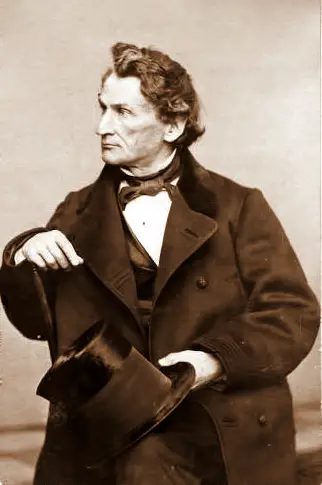
Jean Baptiste Boussingault
|
male
|
Agricultural chemist
|
France
|
|
|
French agricultural chemist who founded experimental field-plot research, studied nitrogen's role in plant nutrition, and pioneered scientific methods for improving crop fertilization. he win the Copley Medal for hislong-continued and important researches and discoveries in agricultural chemistry.
|
|
1877
|
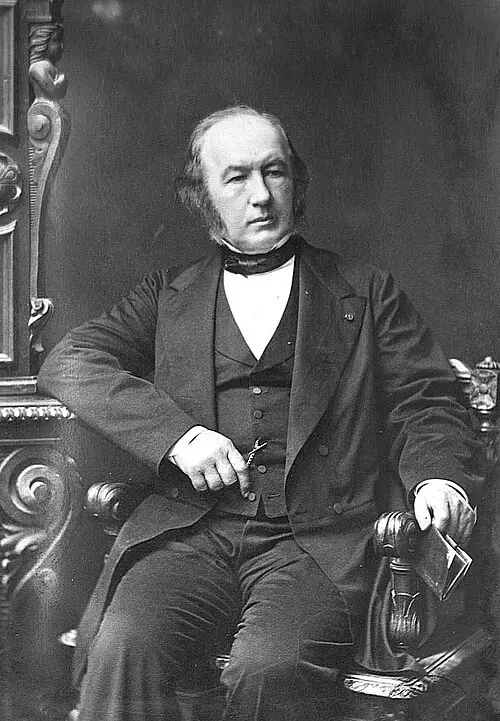
James Dwight Dana
|
male
|
Geologist and mineralogist
|
United States
|
|
|
American geologist and mineralogist whose System of Mineralogy became a foundational text, and who pioneered studies of volcanoes, coral reefs, and mountain-building. he win the Copley Medal for hisbiological, geological, and mineralogical investigations, carried on through half a century, and for the valuable works in which his conclusions and discoveries have been published.
|
|
1876
|
Claude Bernard
|
male
|
Physiologist
|
France
|
|
|
French physiologist who discovered the liver's glycogenic function, pioneered the concept of the internal environment (milieu intérieur), and founded modern experimental medicine. he win the Copley Medal for hisnumerous contributions to the science of physiology.
|
|
1875
|
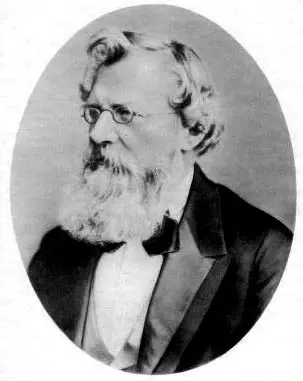
August Wilhelm Hofmann
|
male
|
Organic chemist
|
Germany
|
|
|
German organic chemist who researched coal-tar derivatives like aniline, helping launch the synthetic dye industry, and introduced the term 'valence' to chemistry. he win the Copley Medal for hisnumerous contributions to the science of chemistry, and especially for his researches on the derivatives of ammonia.
|
|
1874
|
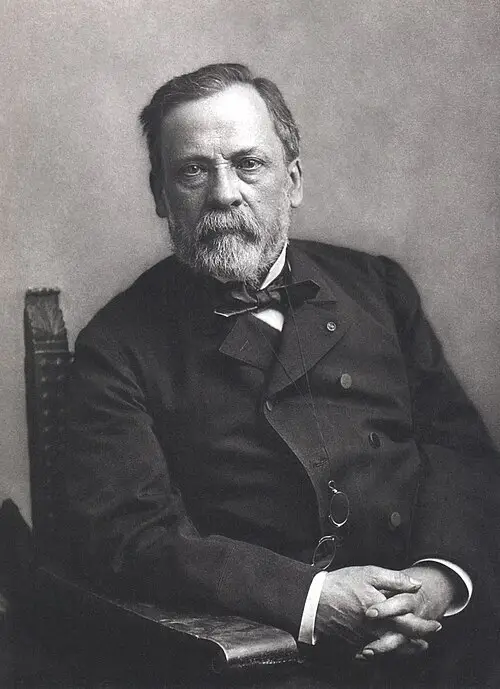
Louis Pasteur
|
male
|
Chemist and microbiologist
|
France
|
|
|
French chemist and microbiologist who developed pasteurization, disproved spontaneous generation, and created vaccines for rabies and anthrax, founding modern microbiology and immunology. he win the Copley Medal for hisresearches on fermentation and on pelerine.
|
|
1873
|
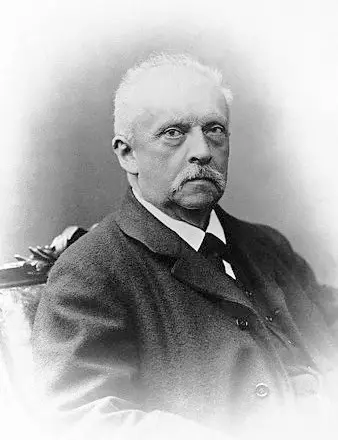
Hermann Ludwig Ferdinand Helmholtz
|
male
|
Physicist and physician
|
Germany
|
|
|
German physicist and physician who formulated the law of conservation of energy, invented the ophthalmoscope, and advanced physiological optics and acoustics. he win the Copley Medal for hisresearches in physics and physiology.
|
|
1872
|
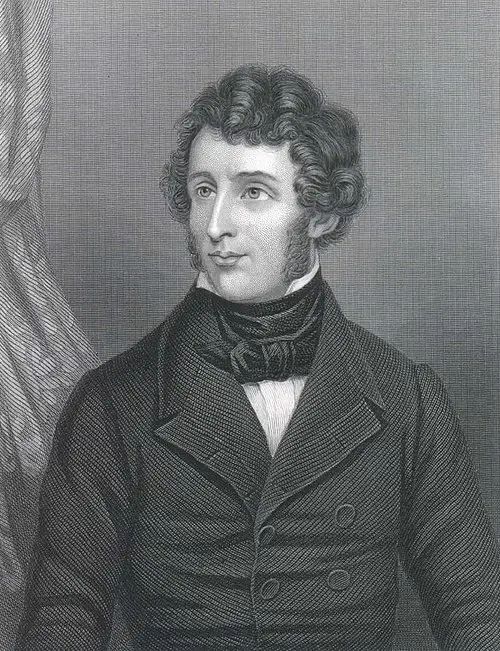
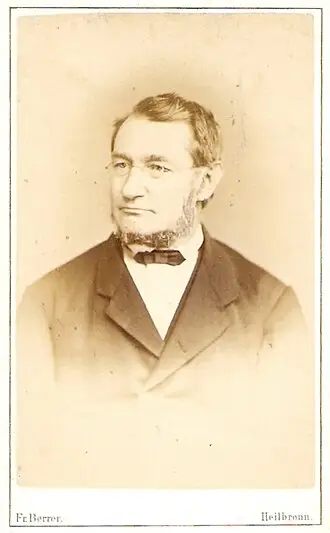
Friedrich Wohler
|
male
|
Chemist
|
Germany
|
|
|
German chemist who synthesized urea from inorganic ammonium cyanate in 1828, challenging vitalism, and first isolated the elements beryllium and yttrium. he win the Copley Medal for hisnumerous contributions to the science of chemistry.
|
|
1871
|
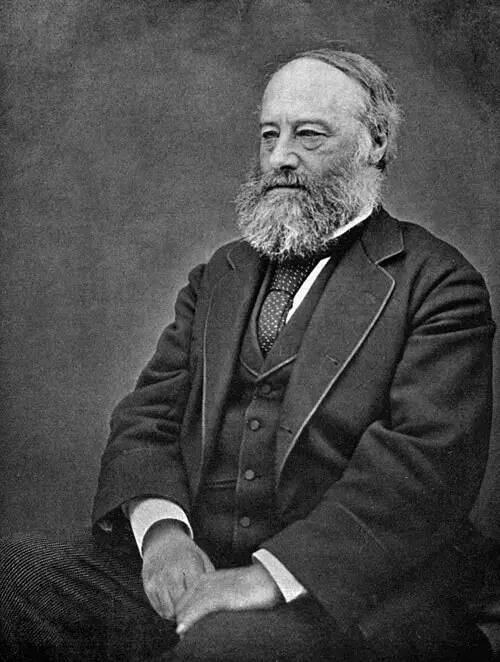
Julius Robert von Mayer
|
male
|
Physician and physicist
|
Germany
|
|
|
German physician and physicist who independently stated the law of conservation of energy in 1841 and calculated the mechanical equivalent of heat. he win the Copley Medal for hisresearches on the mechanics of heat; including essays on: - 1. The force of inorganic nature. 2. Organic motion in connection with nutrition. 3. Fever. 4. Celestial dynamics. 5. The mechanical equivalent of heat.
|
|
1870
|
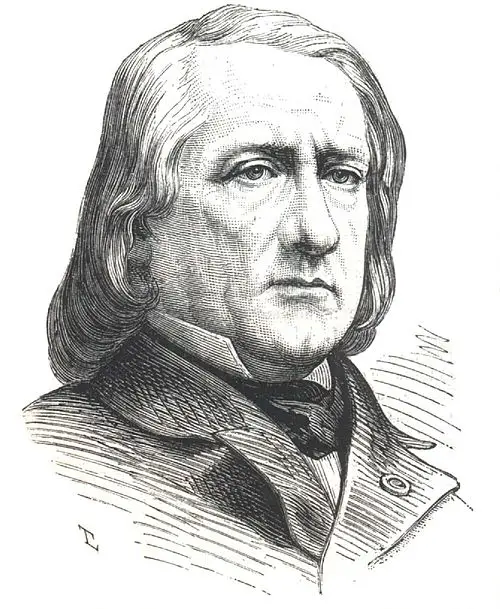
James Prescott Joule
|
male
|
Physicist
|
United Kingdom
|
|
|
English physicist who established the mechanical equivalent of heat and the law of energy conservation; the joule unit of energy is named after him. he win the Copley Medal for hisexperimental researches on the dynamical theory of heat.
|
|
1869
|
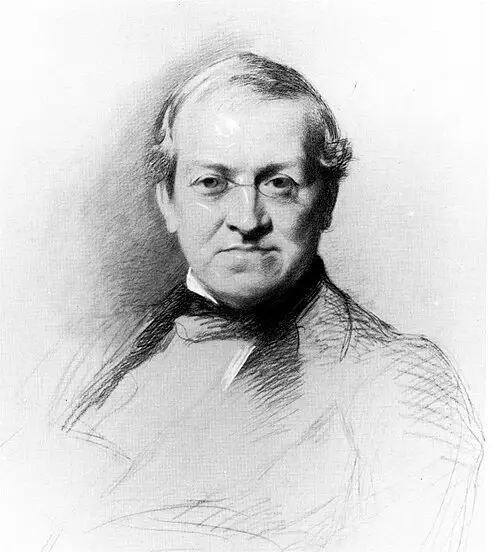
Henri Victor Regnault
|
male
|
Chemist and physicist
|
France
|
|
|
French chemist and physicist known for precise measurements of gas and steam thermal properties, producing data tables vital to steam-engine design. For the second volume of his Relation des Experiences pour determiner les lois et les donnees physiques necessaries au calcul des machines a feu.
|
|
1868
|
Charles Wheatstone
|
male
|
Physicist and inventor
|
United Kingdom
|
|
|
English physicist and inventor who developed the Wheatstone bridge for measuring resistance, invented the stereoscope, and advanced telegraphy with William Fothergill Cooke. he win the Copley Medal for hisresearches in acoustics, optics, electricity and magnetism.
|
|
1867
|
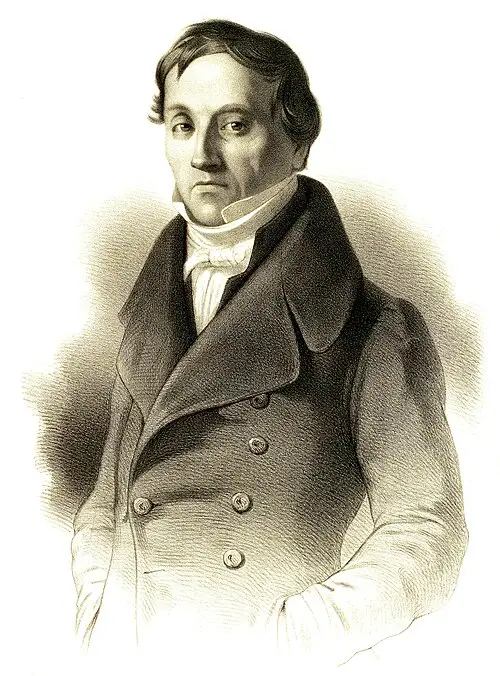
Karl Ernst von Baer
|
male
|
Naturalist and embryologist
|
Russia
|
|
|
Baltic German naturalist regarded as the founder of embryology, who discovered the mammalian ovum and formulated von Baer's laws of embryonic development. he win the Copley Medal for hisdiscoveries in embryology and comparative anatomy, and for his contributions to the philosophy of zoology.
|
|
1866
|
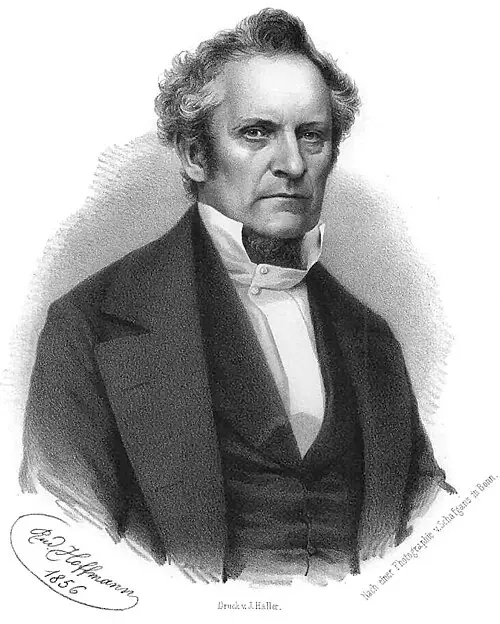
Julius Plucker
|
male
|
Mathematician and physicist
|
Germany
|
|
|
German mathematician and physicist who advanced analytic and line geometry, developed Plucker coordinates, and pioneered early cathode-ray research anticipating the electron's discovery. he win the Copley Medal for hisresearches in analytical geometry, magnetism, & spectral analysis.
|
|
1865
|
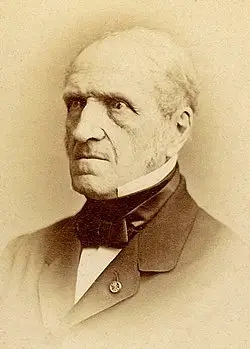
Michel Chasles
|
male
|
Mathematician
|
France
|
|
|
French mathematician and geometer known for his historical survey of geometric methods, contributions to projective geometry, and enumerative solution of the conic problem. he win the Copley Medal for hishistorical and original researches in pure geometry.
|
|
1864
|
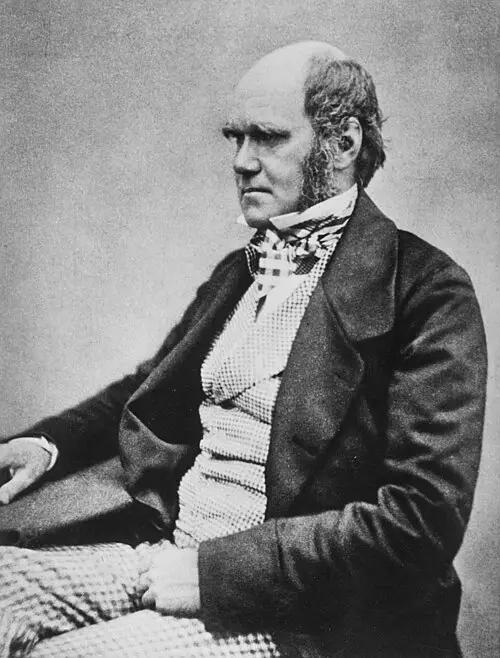
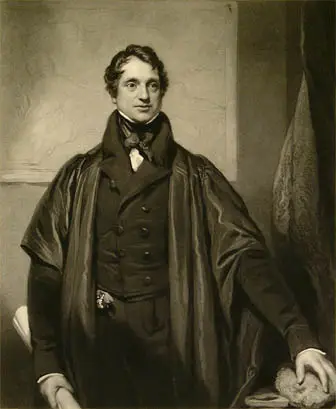
Charles Darwin
|
male
|
Naturalist and biologist
|
United Kingdom
|
|
|
English naturalist who proposed evolution by natural selection in On the Origin of Species, revolutionizing biology and the understanding of species diversity. he win the Copley Medal for hisimportant researches in geology, zoology, and botanical physiology.
|
|
1863
|
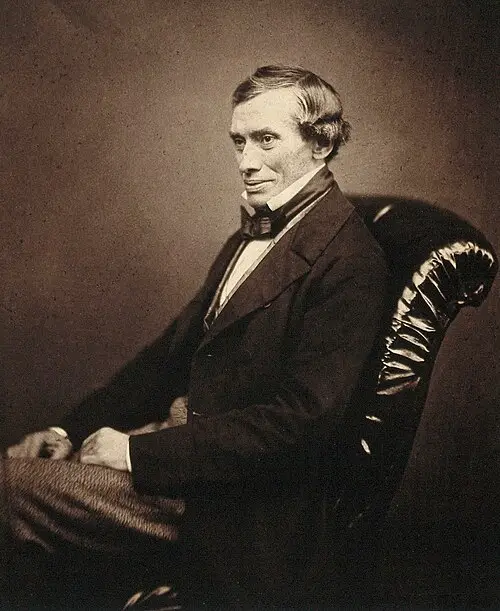
Adam Sedgwick
|
male
|
Geologist
|
United Kingdom
|
|
|
English geologist and Cambridge professor who helped found modern geology, defined the Cambrian geological period, and mentored many prominent nineteenth-century scientists. he win the Copley Medal for hisoriginal observations and discoveries in the geology of the Palaeozoic Series of rocks.
|
|
1862
|
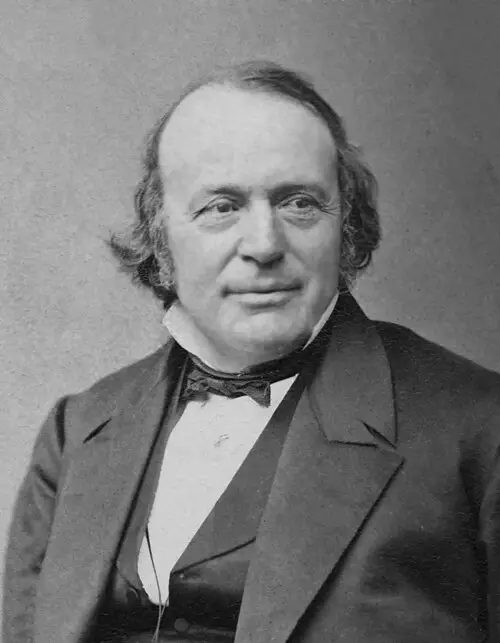
Thomas Graham
|
male
|
Chemist
|
United Kingdom
|
|
|
Scottish chemist who pioneered colloid chemistry and dialysis, formulated Graham's law of gas diffusion, and helped establish physical chemistry as a discipline. For three memoirs of the diffusion of liquids, published in the Philosophical Transactions for 1850 and 1851; for a memoir on osmotic force in the Philosophical Transactions for 1854; and particularly for a paper on liquid diffusion.
|
|
1861
|
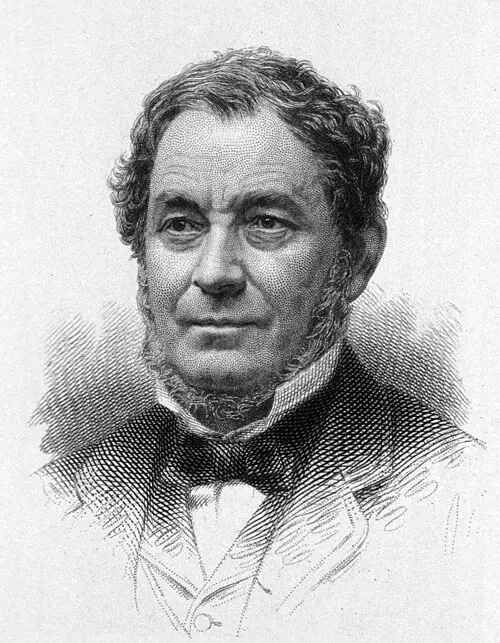
Louis Agassiz
|
male
|
Naturalist and glaciologist
|
Switzerland
|
|
|
Swiss-American naturalist renowned for pioneering studies of glaciers and the ice age theory, plus extensive classification research on fossil fish. he win the Copley Medal for hiseminent researches in palaeontology and other branches of science, and particularly for his great works the Poissons Fossiles, and his Poissons du Vieux Gres Rouge dEcosse.
|
|
1860
|
Robert Wilhelm Bunsen
|
male
|
Chemist
|
Germany
|
|
|
German chemist who co-invented spectroscopy with Kirchhoff, discovered the elements caesium and rubidium, and popularized the gas burner bearing his name. he win the Copley Medal for hisresearches on cacodyls, gaseous analysis, the volcanic phenomena of Iceland; and other researches.
|
|
1860
|
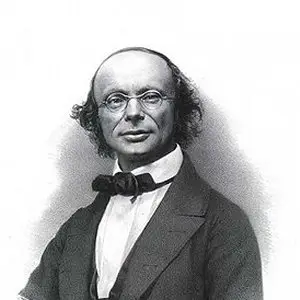
Wilhelm Eduard Weber
|
male
|
Physicist
|
Germany
|
|
|
German physicist who worked with Gauss on electromagnetism and telegraphy and established absolute electrical units; the SI unit weber honors him. For the investigations contained in his Maasbestimmungen and other researches.
|
|
1858
|
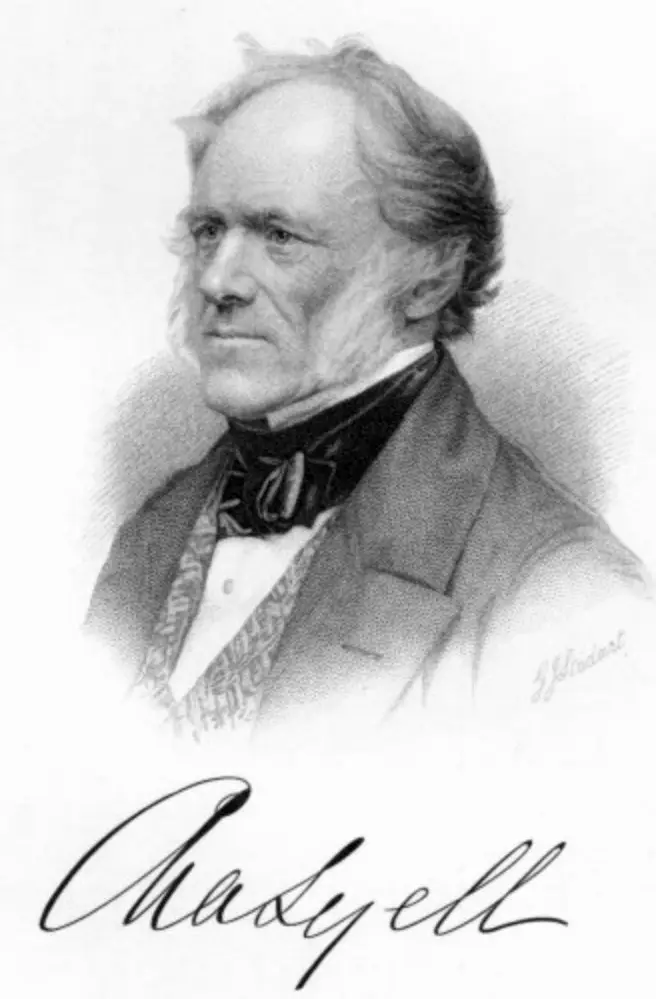
Charles Lyell
|
male
|
Geologist
|
United Kingdom
|
|
|
Scottish geologist whose Principles of Geology established uniformitarianism, profoundly influencing Charles Darwin and shaping modern geological and evolutionary thought. he win the Copley Medal for hisvarious researches and writings by which he has contributed to the advance of geology.
|
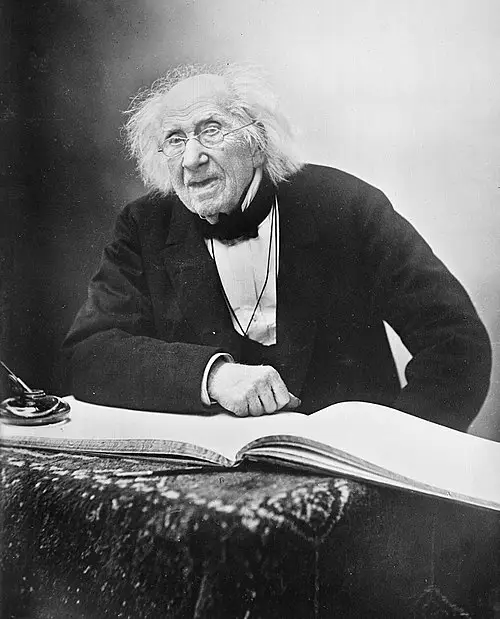
|
1857
|
Michael Eugene Chevreul
|
male
|
Chemist
|
France
|
|
|
French chemist who studied fatty acids and soap-making chemistry, discovered principles of simultaneous color contrast, and remained scientifically active past age 100. he win the Copley Medal for hisresearches in organic chemistry, particularly on the composition of the fats, andf for his researches on the contrast of coulours.
|
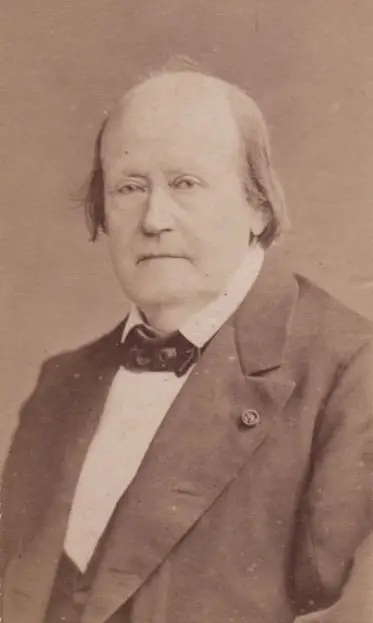
|
1856
|
Henry Milne-Edwards
|
male
|
Zoologist
|
France
|
|
|
French zoologist and comparative anatomist specializing in crustaceans, who introduced the influential concept of physiological division of labor within organisms. he win the Copley Medal for hisresearches in comparative anatomy and zoology.
|
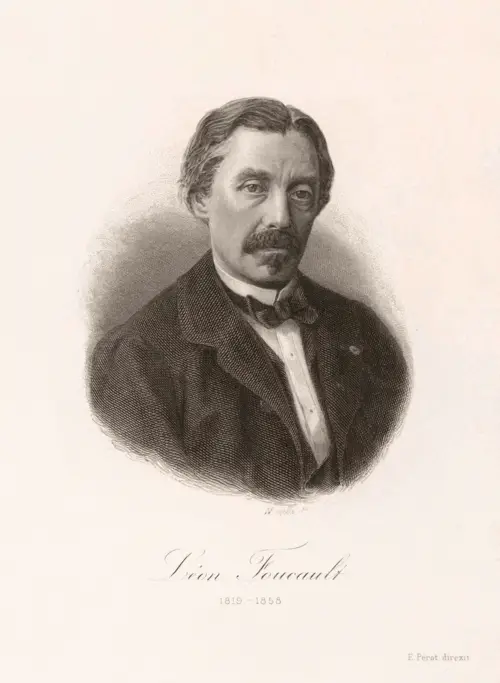
|
1855
|
Jean Bernard Leon Foucault
|
male
|
Physicist
|
France
|
|
|
French physicist who demonstrated Earth's rotation with the famous Foucault pendulum and made precise experimental measurements of the speed of light. he win the Copley Medal for hisvarious researches in experimental physics.1854 Johannes Muller. he win the Copley Medal for hisimportant contributions to different branches of physiology and comparative anatomy, and particularly for his researches on the embryology of the Echinodermata.
|
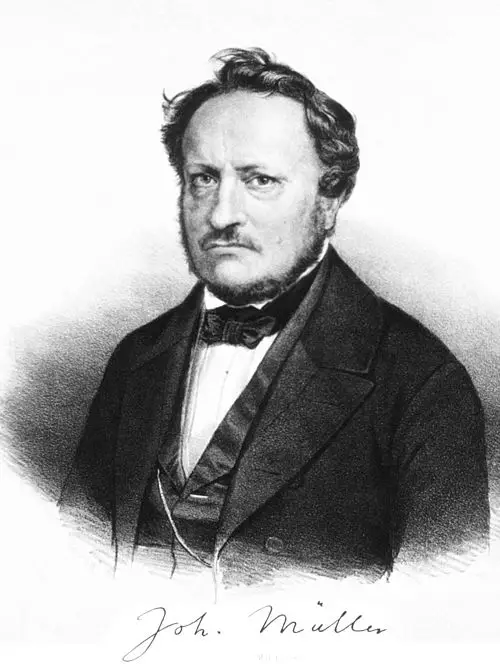
|
1854
|
Johannes Peter Müller
|
male
|
Physiologist and comparative anatomist
|
Germany
|
|
|
German physiologist who helped found modern physiology, formulated the doctrine of specific nerve energies, and mentored a generation of leading scientists. he win the Copley Medal for hisimportant contributions to different branches of physiology and comparative anatomy, and particularly for his researches on the embryology of the Echinodermata, contained in a series of memoirs published in the Transactions of the Royal Academy of Sciences of Berlin
|
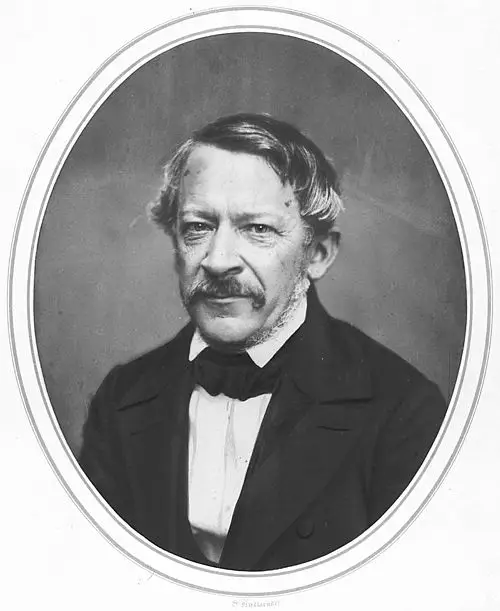
|
1853
|
Heinrich Wilhelm Dove
|
male
|
Physicist and meteorologist
|
Germany
|
|
|
German physicist and meteorologist who studied storm systems, formulated the law of gyration of winds, and advanced understanding of polarized light. he win the Copley Medal for hiswork on the distribution of heat over the surface of the Earth.
|
|
1852
|
Alexander von Humboldt
|
male
|
Naturalist and explorer
|
Germany
|
|
|
Prussian naturalist and explorer whose extensive South American expeditions founded biogeography and profoundly shaped nineteenth-century scientific exploration and geography. he win the Copley Medal for hiseminent services in terrestrial physics, during a series of years.
|
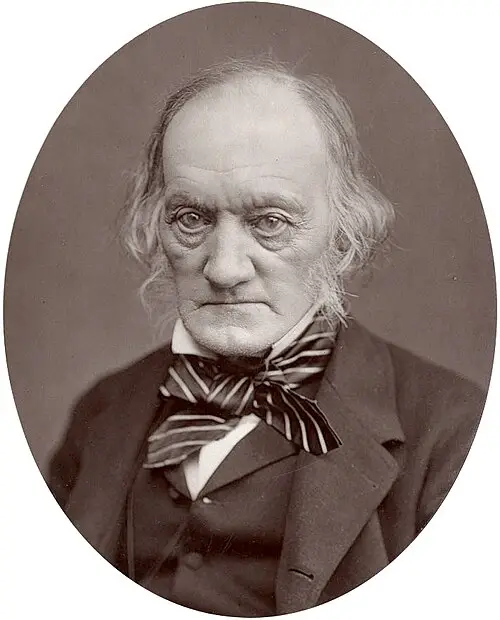
|
1851
|
Richard Owen
|
male
|
Biologist and paleontologist
|
United Kingdom
|
|
|
English biologist and paleontologist who coined the term Dinosauria and founded London's Natural History Museum, despite later opposing Darwinian evolution. On account of his important discoveries in comparative anatomy & palaeontology, contained in the Philosophical Transactions and numerous other works.
|
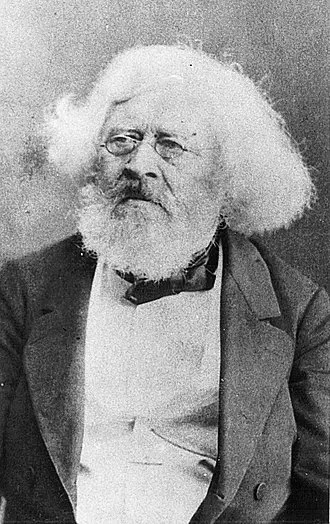
|
1850
|
Peter Andreas Hansen
|
male
|
Astronomer
|
Denmark
|
|
|
Danish-German astronomer renowned for his highly precise lunar theory and tables predicting the Moon's motion, greatly improving celestial navigation accuracy. he win the Copley Medal for hisresearches in physical astronomy.
|
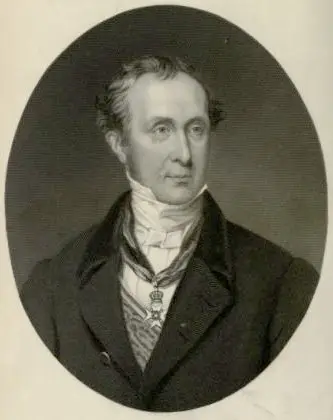
|
1849
|
Roderick Impey Murchison
|
male
|
Geologist
|
United Kingdom
|
|
|
Scottish geologist who defined the Silurian geological system and conducted extensive stratigraphic surveys establishing rock sequences across Europe and Russia. For the eminent services he has rendered to geological science during many years of active observation in several parts of Europe.
|
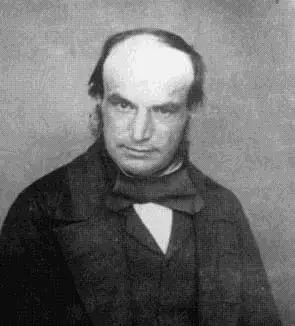
|
1848
|
John Couch Adams
|
male
|
Mathematician and astronomer
|
United Kingdom
|
|
|
English mathematician and astronomer who mathematically predicted the existence and position of Neptune before its telescopic discovery in 1846. he win the Copley Medal for hisinvestigations relative to the disturbances of Uranus, and for his application of the inverse problem of perturbations thereto.
|
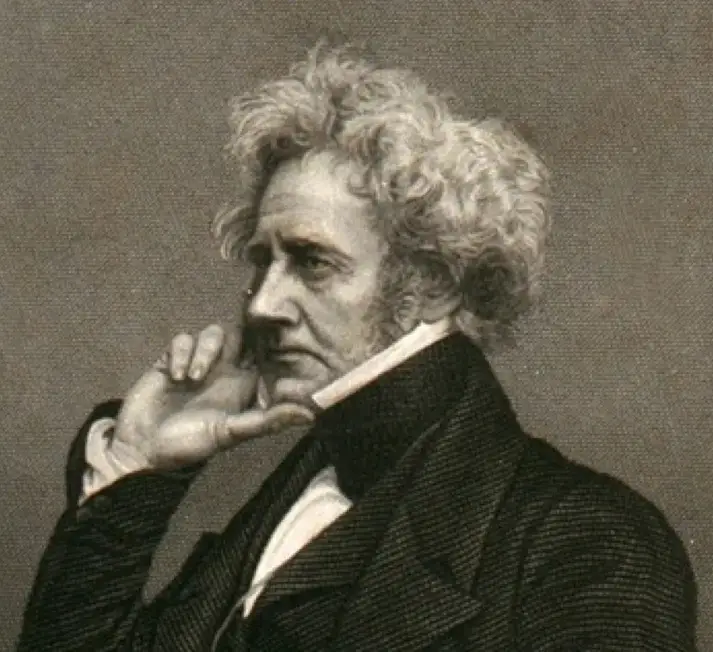
|
1847
|
John Frederick William Herschel
|
male
|
Astronomer and polymath
|
United Kingdom
|
|
|
English polymath astronomer who cataloged stars and nebulae, pioneered photographic chemistry, and coined terms including photography, positive, and negative. he win the Copley Medal for hiswork entitled Results of Astronomical Observations made during the years 1834, 1835, 1836, 1837 and 1838, at the Cape of Good Hope; being a completion of a telescopic survey of the whole surface of the visible heavens, commenced in 1825.
|
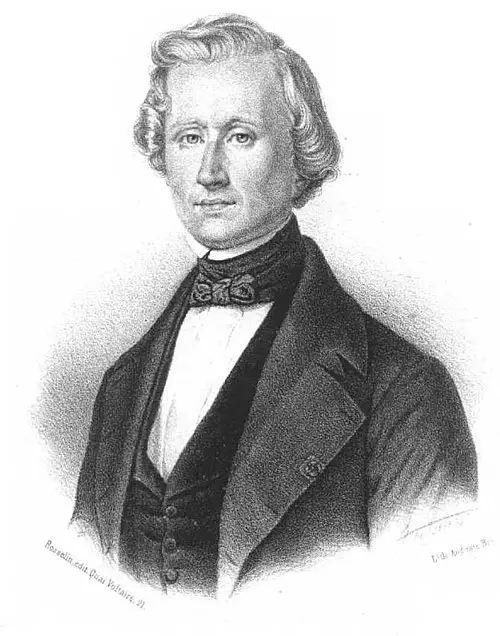
|
1846
|
Urbain Jean Joseph Le Verrier
|
male
|
Mathematician and astronomer
|
France
|
|
|
French mathematician and astronomer who calculated Neptune's existence and position independently of Adams, directly leading to its 1846 discovery. he win the Copley Medal for hisinvestigations relative to the disturbances of Uranus by which he proved the existence and predicted the place of the new Planet.
|
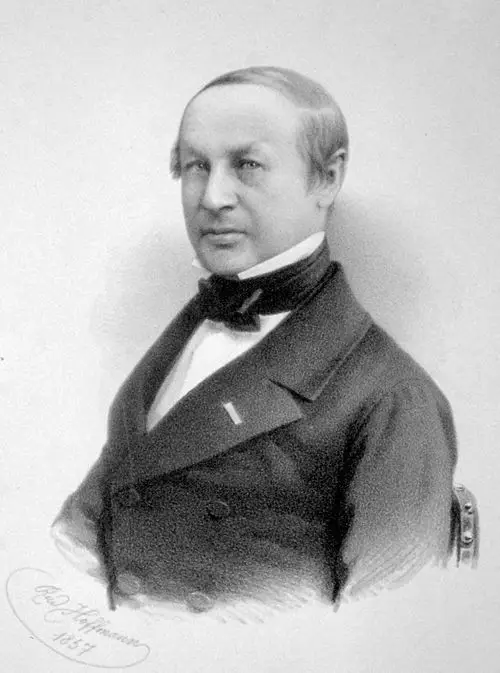
|
1845
|
Theodor Schwann
|
male
|
Physiologist
|
Germany
|
|
|
German physiologist who co-founded cell theory, discovered Schwann cells and the enzyme pepsin, and advanced understanding of fermentation and metabolism. he win the Copley Medal for hisphysiological researches on the development of animal & vegetable textures, published in his work entitled Mikroskopische Untersuchungen uber die Uebereinstimmung in der Struktur u. dem Wachsthun der Thiese u. Bflanzen.
|
|
1844
|
Carlo Matteucci
|
male
|
Physicist / physiologist
|
Italy
|
|
|
Italian physicist and physiologist who pioneered electrophysiology, demonstrating electric currents generated by injured and contracting muscle tissue.
|
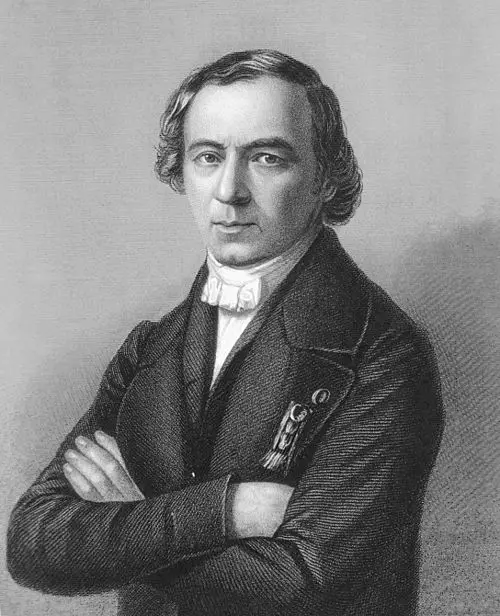
|
1843
|
Jean Baptiste Dumas
|
male
|
Chemist
|
France
|
|
|
French chemist who determined atomic weights and vapor densities, advanced organic chemistry's substitution theory, and became a prominent science administrator. he win the Copley Medal for his late valuable researches in organic chemistry.
|
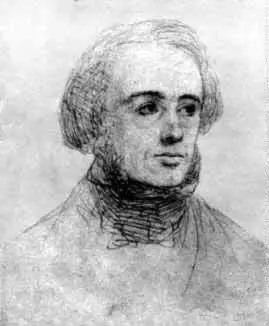
|
1842
|
James MacCullagh
|
male
|
Mathematician / physicist
|
Ireland
|
|
|
Irish mathematical physicist celebrated for his theoretical work on the wave theory of light, crystal optics, and reflection and refraction; died by suicide. he win the Copley Medal for his researches connected with the wave theory of light, contained in the Transactions of the Royal Irish Academy.
|
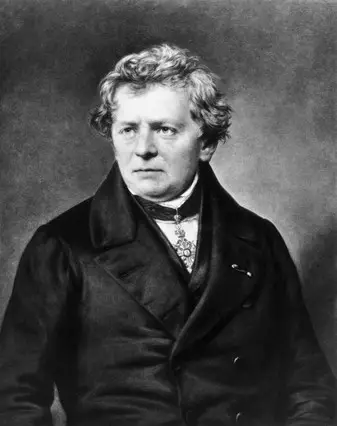
|
1841
|
George Simon Ohm
|
male
|
Physicist
|
Germany
|
|
|
German physicist who formulated Ohm's law, describing the relationship between voltage, current, and resistance, a cornerstone of electrical science. he win the Copley Medal for his researches into the laws of electric currents contained in various memoirs published in Schweiggers Journal, Poggendorffs Annalen and in a separate work entitled Die galvanische Kette mathematisch bearbeitet.
|
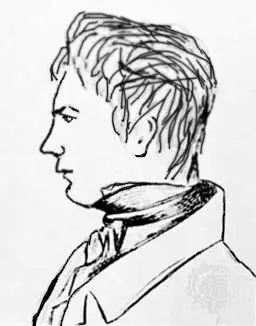
|
1840
|
Jacques Charles Francois Sturm
|
male
|
Mathematician
|
France
|
|
|
French mathematician known for Sturm's theorem locating real roots of polynomials and for co-developing Sturm–Liouville theory in differential equations. he win the Copley Medal for his "Memoire sur la Resolution des Equations Numeriques," published in the Memoires des Savans Etrangers for 1835.
|
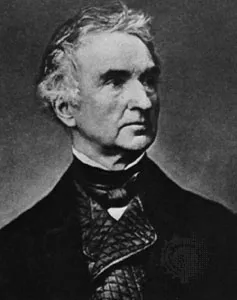
|
1840
|
Justus Liebig
|
male
|
Chemist
|
Germany
|
|
|
German chemist who founded modern organic and agricultural chemistry, invented the Liebig condenser, and pioneered the use of mineral fertilizers. he win the Copley Medal for his discoveries in organic chemistry, and particularly for his development of the composition and theory of organic radicals.
|
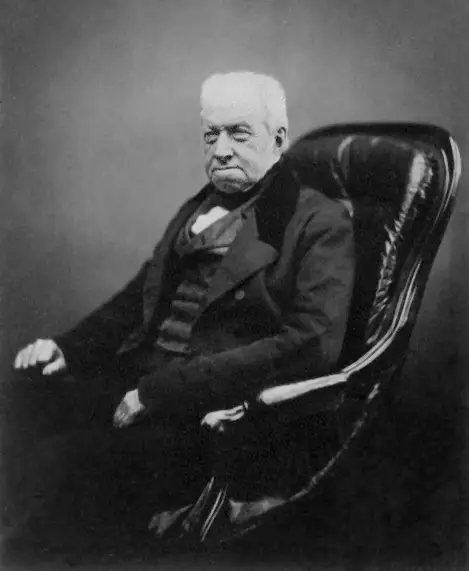
|
1839
|
Robert Brown
|
male
|
Botanist
|
United Kingdom
|
|
|
Scottish botanist who identified the cell nucleus and discovered Brownian motion, the random jittering of particles suspended in fluid, while examining pollen. he win the Copley Medal for his discoveries during a series of years, on the subject of vegetable impregnation.
|
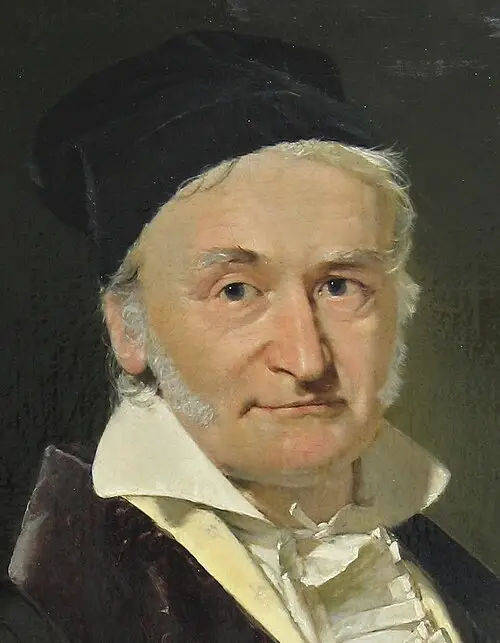
|
1838
|
Karl Friedrich Gauss
|
male
|
Mathematician
|
Germany
|
|
|
German mathematician and physicist, called the 'Prince of Mathematicians,' who made foundational contributions to number theory, statistics, geometry, and magnetism. he win the Copley Medal for his inventions and mathematical researches in magnetism.
|
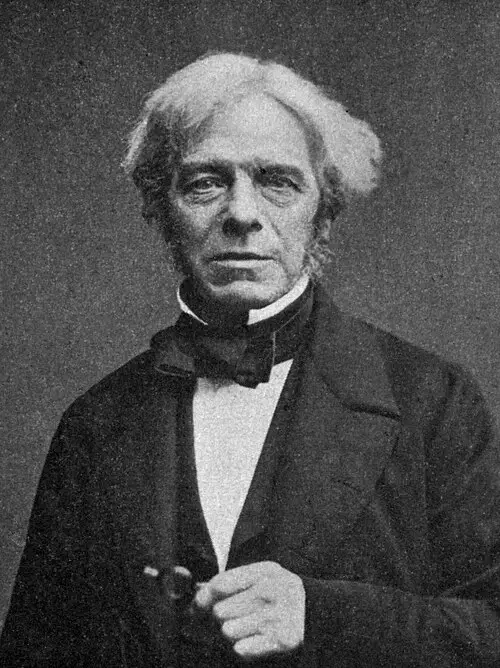
|
1838
|
Michael Faraday
|
male
|
Scientist (physicist / chemist)
|
United Kingdom
|
|
|
English scientist who discovered electromagnetic induction and diamagnetism, laying the groundwork for electric motors, generators, and modern electrochemistry. he win the Copley Medal for his researches in specific electrical induction.
|
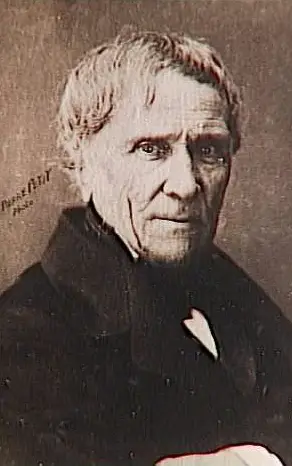
|
1837
|
Antoine César Becquerel
|
male
|
Physicist
|
France
|
|
|
French physicist and pioneer of electrochemistry who studied electric currents produced by minerals and crystals; grandfather of Nobel laureate Henri Becquerel. he win the Copley Medal for his various memoirs on the subject of electricity, published in the Memoires deacademie Royale des Sciences de lInstitut de France, and particularly for those on the production of crystals of metallic sulphurets and of sulphur, by the long-continued action of electricity of very low tension, and published in the tenth volume of those Memoires.
|
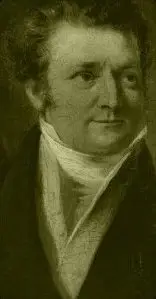
|
1837
|
John Frederic Daniell
|
male
|
Chemist / meteorologist
|
United Kingdom
|
|
|
English chemist and meteorologist who invented the Daniell cell, an early dependable electric battery, and improved instruments for measuring atmospheric humidity. John Frederic Daniell. he win the Copley Medal for his various memoirs on the subject of electricity, published in the Memoires deacademie Royale des Sciences de lInstitut de France.
|
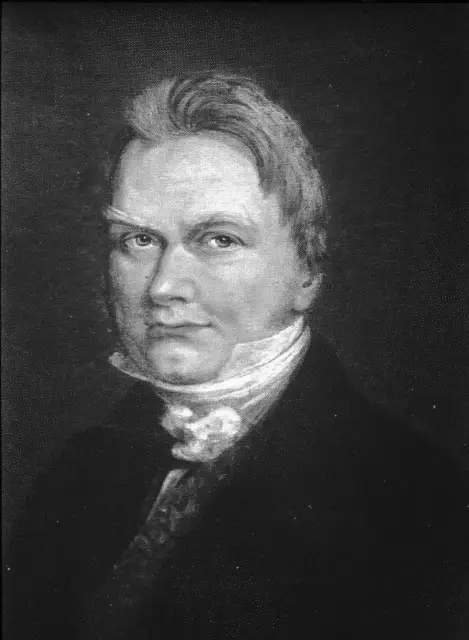
|
1836
|
Jons Jacob Bezelius
|
male
|
Chemist
|
Sweden
|
|
|
Swedish chemist regarded as a founder of modern chemistry who determined atomic weights, devised chemical symbol notation, and discovered several elements. he win the Copley Medal for his systematic application of the doctrine of definite proportions to the analysis of mineral bodies, as contained in his Nouveau Systeme de Mineralogie, and in other of his works.
|

|
1836
|
Francis Kiernan
|
male
|
Anatomist / physiologist
|
United Kingdom
|
|
|
Irish-born London anatomist who described the liver's lobular structure and identified 'Kiernan's spaces,' advancing understanding of hepatic anatomy. he win the Copley Medal for his discoveries relating to the structure of the liver, as detailed in his paper communicated to the Royal Society, and published in the Philosophical Transactions for 1833.
|
|
|
1835
|
William Snow Harris
|
male
|
Physicist / inventor
|
United Kingdom
|
|
|
English physicist and inventor who developed effective lightning-conductor systems for Royal Navy warships, greatly reducing storm-related losses; knighted for the work. he win the Copley Medal for his experimental investigations of the force of electricity of high intensity contained in the Philosophical Transactions of 1834.
|
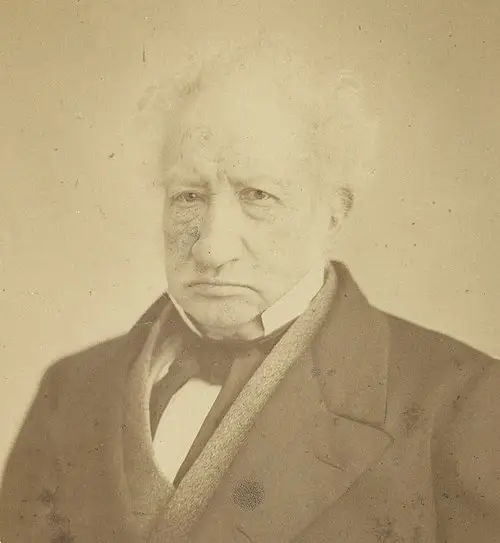
|
1834
|
Giovanni Plana
|
male
|
Astronomer / mathematician
|
Italy
|
|
|
Italian astronomer and mathematician known for his detailed theory of the Moon's motion and contributions to celestial mechanics and elliptic integrals. he win the Copley Medal for his work entitled, Theorie du Mouvement de la Lune.
|
|
|
1832
|
Michael Faraday
|
male
|
Scientist (physicist / chemist)
|
United Kingdom
|
|
|
English scientist who discovered electromagnetic induction and diamagnetism, laying the groundwork for electric motors, generators, and modern electrochemistry. he win the Copley Medal for his researches in specific electrical induction.
|
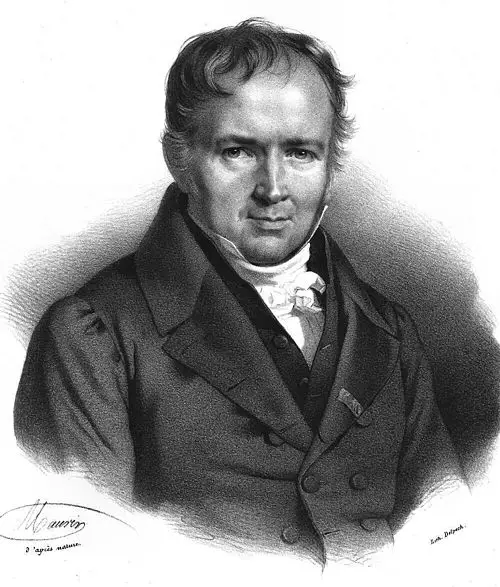
|
1832
|
Simeon Denis Poisson
|
male
|
Mathematician / physicist
|
France
|
|
|
French mathematician and physicist known for the Poisson distribution, Poisson's equation in electrostatics and gravitation, and work in celestial mechanics. he win the Copley Medal for his work entitled, Nouvelle Theorie de lAction Capillaire.
|
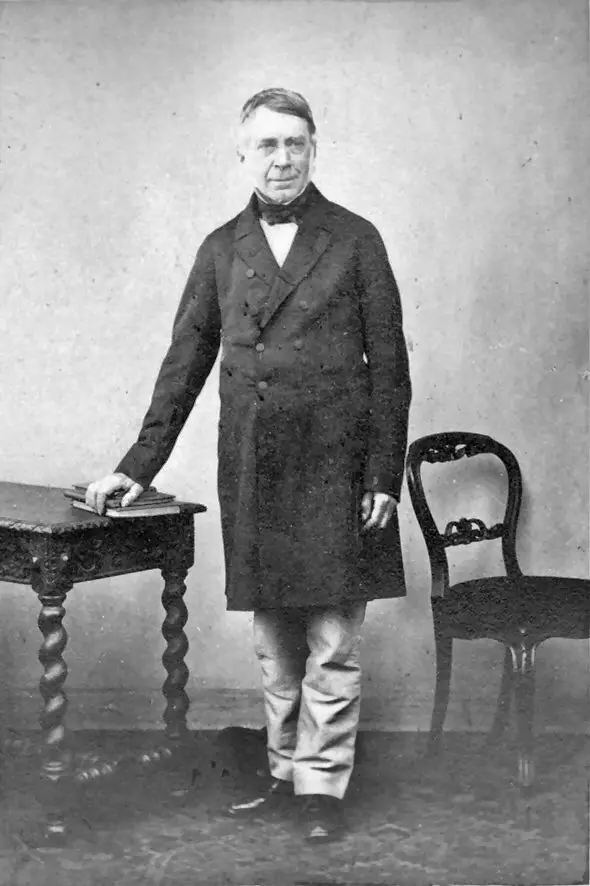
|
1831
|
George Biddell Airy
|
male
|
Astronomer
|
United Kingdom
|
|
|
English Astronomer Royal for 46 years who modernized Greenwich Observatory, cemented the Greenwich meridian's status, and researched optics and geophysics. he win the Copley Medal for his Papers, On the principle of the construction of the Achromatic Eye-pieces of Telescopes, - On the Spherical Aberration of the Eye-pieces of Telescopes, and for other Papers on Optical Subjects.
|
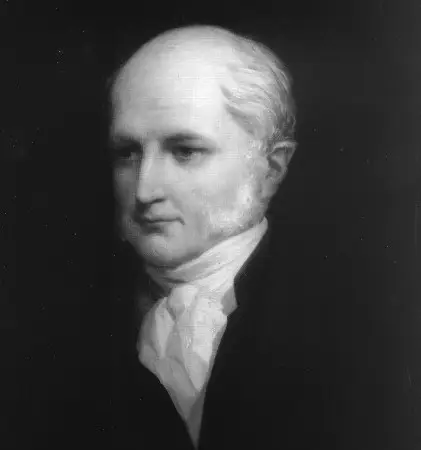
|
1827
|
William Prout and Henry Foster
|
male
|
Physician/Chemist; Naval Officer/Scientist
|
United Kingdom
|
|
|
William Prout, an English physician-chemist, discovered hydrochloric acid in gastric juice and proposed Prout's hypothesis on atomic weights; Henry Foster, a Royal Navy officer, conducted pendulum and geomagnetic surveys worldwide before drowning in 1831.
|
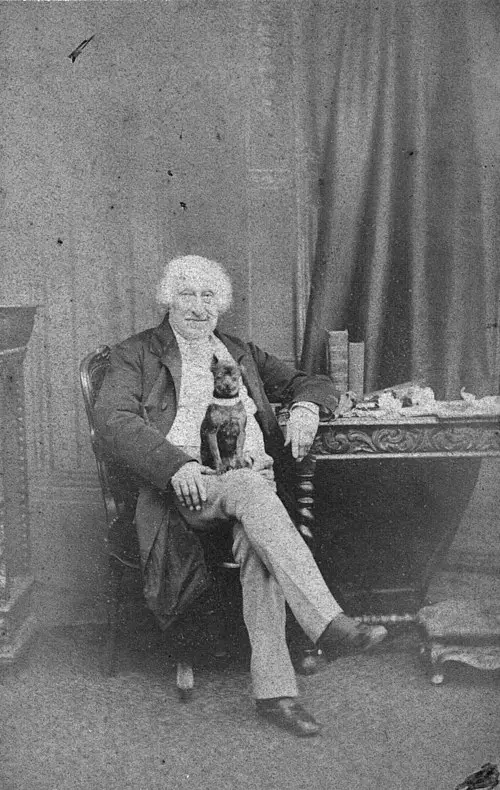
|
1826
|
James South
|
male
|
Astronomer
|
United Kingdom
|
|
|
English astronomer noted for cataloguing double stars in collaboration with John Herschel, work for which the pair jointly received the Royal Society's Gold Medal. he win the Copley Medal for his observations of Double Stars, and his Paper on the Discordances between the Suns observed and computed Right Ascensions, published in the Transactions of the Society.
|
|
1825
|
Francois Arago
|
male
|
Astronomer / physicist / statesman
|
France
|
|
|
French astronomer and physicist who advanced optics and electromagnetism research, directed the Paris Observatory, and briefly led France's government in 1848. For the Discovery of the Magnetic Properties of substances not containing Iron. For the Discovery of the power of various bodies, principally metallic.
|
|
1825
|
Peter Barlow
|
male
|
Mathematician and physicist
|
England
|
|
|
English mathematician and physicist at Woolwich, known for the Barlow lens, research on ship compass deviation, and an early electric motor design. he win the Copley Medal for his various Communications on the subject of Magnetism.
|
|
1824
|
John Brinkley
|
male
|
Astronomer and Anglican bishop
|
Ireland
|
|
|
English-born astronomer who became Ireland's first Royal Astronomer, directed Dunsink Observatory for decades, and later served as Anglican Bishop of Cloyne. he win the Copley Medal for his various Communications to the Royal Society.
|
|
|
1823
|
John Pond
|
male
|
Astronomer
|
England
|
|
|
English astronomer, sixth Astronomer Royal, who modernized Greenwich Observatory and produced a highly accurate 1833 catalogue of over 1,000 star positions. he win the Copley Medal for his various Communications to the Royal Society.
|
|
1822
|
William Buckland
|
male
|
Geologist, palaeontologist, and theologian
|
England
|
|
|
English geologist and palaeontologist who gave the first scientific description of a fossil dinosaur, Megalosaurus, and later served as Dean of Westminster. he win the Copley Medal for his Paper on the Fossil Teeth and Bones discovered in a Cave at Kirkdale.
|
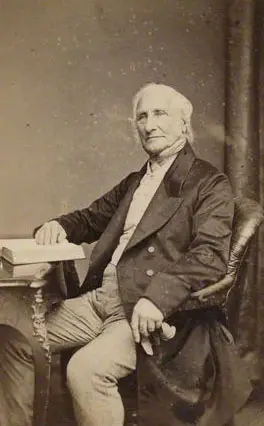
|
1821
|
Edward Sabine
|
male
|
Physicist, geophysicist, and army officer
|
Ireland
|
|
|
Irish-born physicist and geophysicist who established a global network of magnetic observatories and discovered the correlation between sunspot cycles and Earth's geomagnetism. he win the Copley Medal for his various Communications to the Royal Society relating to his researches made in the late Expedition to the Arctic Regions.
|
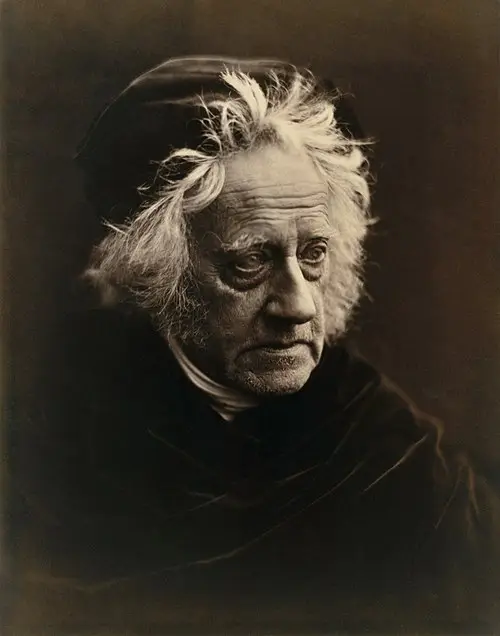
|
1821
|
John FW Herschel
|
male
|
Astronomer, mathematician, chemist, and photography pioneer
|
England
|
|
|
English polymath astronomer who catalogued nebulae and moons of Saturn and Uranus, coined the word 'photography,' and pioneered key photographic techniques. he win the Copley Medal for his Papers printed in the Philosophical Transactions.
|
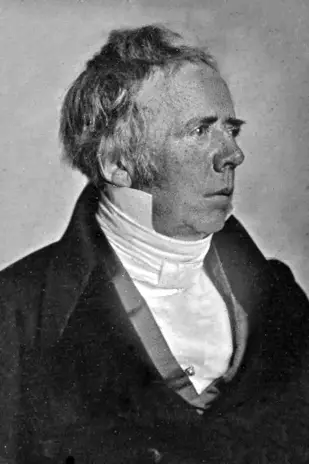
|
1820
|
John Christian Oersted
|
male
|
Physicist and chemist
|
Denmark
|
|
|
Danish physicist and chemist who discovered in 1820 that electric currents create magnetic fields, founding the field of electromagnetism. he win the Copley Medal for his Electro-magnetic Discoveries.
|
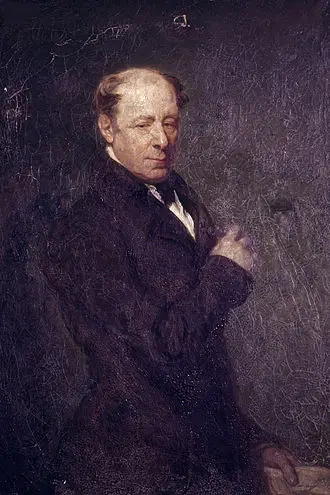
|
1818
|
Robert Seppings
|
male
|
Naval architect
|
England
|
|
|
English naval architect who revolutionized warship construction with diagonal hull bracing, greatly increasing strength, and served as Surveyor of the Navy. he win the Copley Medal for his Papers on the construction of Ships of War, printed in the Philosophical Transactions.
|
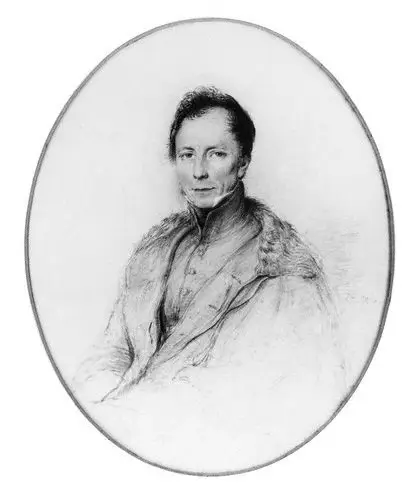
|
1817
|
Henry Kater
|
male
|
Physicist
|
England
|
|
|
English physicist best known for inventing Kater's pendulum, a precise instrument used to accurately measure Earth's gravitational acceleration and improve geodetic surveying. he win the Copley Medal for his Experiments on the Pendulum.
|
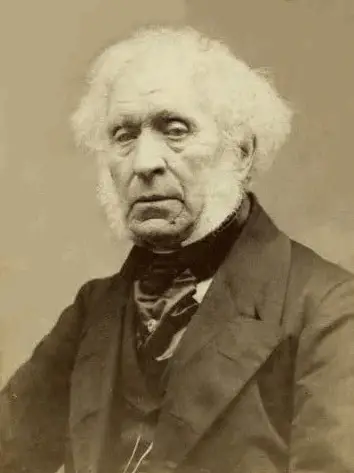
|
1815
|
David Brewster
|
male
|
Physicist and inventor
|
United Kingdom
|
|
|
Scottish physicist who pioneered the study of light polarization, discovered Brewster's angle, and invented the kaleidoscope and an improved lenticular stereoscope. he win the Copley Medal for his Paper on the Polarization of Light by Reflection from Transparent Bodies.
|
|
|
1814
|
James Ivory
|
male
|
Mathematician
|
United Kingdom
|
|
|
Scottish mathematician known for Ivory's theorem on the gravitational attraction of ellipsoids, work that advanced celestial mechanics and mathematical astronomy in Britain. he win the Copley Medal for his various Mathematical Contributions printed in the Philosophical Transactions.
|
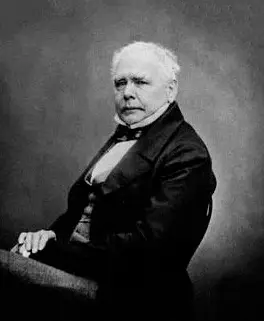
|
1813
|
William Thomas Brande
|
male
|
Chemist
|
England
|
|
|
English chemist who first isolated lithium by electrolysis in 1821, succeeded Humphry Davy as Royal Institution chemistry professor, and wrote influential textbooks. he win the Copley Medal for his Communications concerning the Alcohol contained in Fermented Liquors and other Papers, printed in the Philosophical Transactions.
|
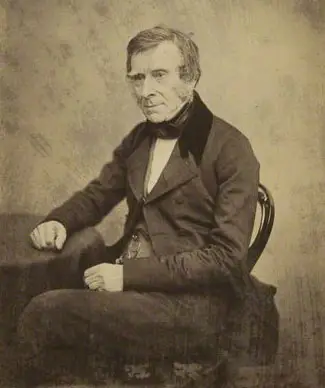
|
1811
|
Benjamin Collins Brodie
|
male
|
Surgeon and physiologist
|
England
|
|
|
English surgeon and physiologist whose 1818 treatise on joint diseases promoted conservative treatment over amputation, later serving as Royal Society president. he win the Copley Medal for his Papers printed in the Philosophical Transactions. On the influence of the Brain on the action of the Heart, and the generation of Animal Heat; and on the different modes in which death is brought on by certain Vegetable Poisons.
|
|
1809
|
Edward Troughton
|
male
|
Scientific instrument maker
|
England
|
|
|
English instrument maker regarded as Britain's finest maker of astronomical and surveying instruments, creating precision devices such as the Groombridge transit circle. For the Account of his Method of dividing Astronomical Instruments, printed in the last volume of the Philosophical Transactions.
|
|
1808
|
William Henry
|
male
|
Chemist and physician
|
England
|
|
|
English chemist and physician who formulated Henry's Law describing gas solubility in liquids under pressure, a foundational principle in physical chemistry. he win the Copley Medal for his various papers communicated to the society, and printed in the Philosophical Transactions.
|
|
1807
|
Everard Home
|
male
|
Surgeon and anatomist
|
England
|
|
|
English surgeon and anatomist who described an early ichthyosaur fossil and platypus anatomy, later found to have plagiarized John Hunter's research. he win the Copley Medal for his various Papers on Anatomy and Physiology, printed in the Philosophical Transactions.
|
|
1806
|
Thomas Andrew Knight
|
male
|
Horticulturist and botanist
|
England
|
|
|
English horticulturist and plant physiologist who led the Royal Horticultural Society, pioneered fruit tree breeding, and studied gravity's effect on plant growth. he win the Copley Medal for his various Papers on Vegetation, printed in the Philosophical Transactions.
|
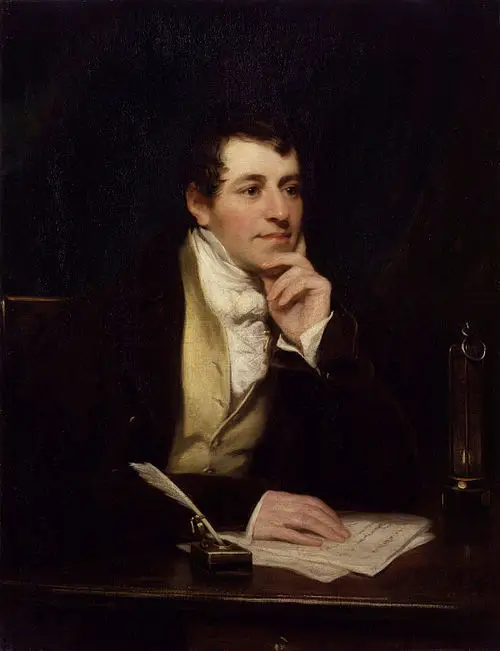
|
1805
|
Humphry Davy
|
male
|
Chemist and inventor
|
England
|
|
|
English chemist who isolated potassium, sodium, calcium, and other elements by electrolysis, invented the miners' safety lamp, and pioneered electrochemistry. he win the Copley Medal for his various Communications published in the Philosophical Transactions.
|
|
|
1804
|
Smithson Tennant
|
male
|
Chemist
|
England
|
|
|
English chemist who discovered the elements iridium and osmium in platinum ore residues, and showed that diamond is pure carbon. he win the Copley Medal for his various Chemical Discoveries communicated to the Society, and printed in several volumes of the Philosophical Transactions.
|
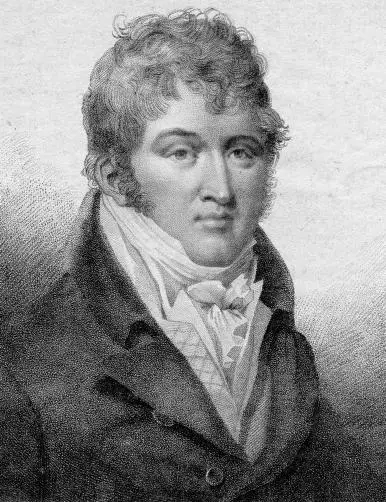
|
1803
|
Richard Chenevix
|
male
|
Chemist and mineralogist
|
Ireland
|
|
|
Irish chemist and mineralogist who won the Copley Medal in 1803 despite wrongly disputing William Wollaston's discovery of the element palladium. he win the Copley Medal for his various Chemical Papers printed in the Philosophical Transactions.
|
|
1802
|
William Hyde Wollaston
|
male
|
Chemist and physicist
|
England
|
|
|
English chemist and physicist who discovered palladium and rhodium and developed a method for producing malleable platinum, advancing analytical chemistry techniques. he win the Copley Medal for his various Papers printed in the Philosophical Transactions.
|
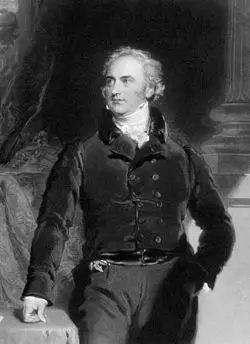
|
1801
|
Astley Paston Cooper
|
male
|
Surgeon and anatomist
|
England
|
|
|
Eminent English surgeon and anatomist known for pioneering vascular surgery, including the first ligation of the abdominal aorta, at Guy's Hospital. he win the Copley Medal for his Papers - on the effects which take place from the destruction of the Membrana Tympani of the Ear; with an account of an operation for the removal of a particular species of Deafness.
|
|
1800
|
Edward Howard
|
male
|
Chemist
|
England
|
|
|
English chemist who discovered mercury fulminate, enabling percussion caps, and conducted pioneering chemical analysis of meteorites confirming their extraterrestrial origin. he win the Copley Medal for his Paper on a New Fulminating Mercury.
|
|
1799
|
John Hellins
|
male
|
Mathematician, astronomer and clergyman
|
England
|
|
|
English mathematician and Church of England clergyman who contributed calculations to the Nautical Almanac and published papers on mathematical astronomy and fluxions. he win the Copley Medal for his improved Solution of a problem in Physical Astronomy, &c. printed in the Philosophical Transactions for the year 1798; and his other Mathematical Papers.
|
|
1798
|
Charles Hatchett
|
male
|
Chemist
|
England
|
|
|
English chemist and mineralogist who discovered the element niobium, originally called columbium, in 1801 while analyzing a mineral sample from America. he win the Copley Medal for his Chemical Communications printed in the Philosophical Transactions.
|
|
1798
|
George Shuckburgh Evelyn
|
male
|
Astronomer, mathematician and politician
|
England
|
|
|
English baronet, astronomer and mathematician who built a private observatory, made precise scientific instrument measurements, and served as a Member of Parliament. he win the Copley Medal for his various Communications printed in the Philosophical Transactions.
|
|
|
1796
|
George Attwood
|
male
|
Mathematician and physicist
|
England
|
|
|
English mathematician best known for inventing the Atwood machine, a device demonstrating Newton's laws of motion and uniform acceleration. he win the Copley Medal for his Paper on the construction and analysis of geometrical propositions determining the positions assumed by homogeneal bodies which float freely, and at rest; and also determining the Stability of Ships and other floating bodies.
|
|
1795
|
Jesse Ramsden
|
male
|
Scientific instrument maker
|
England
|
|
|
English instrument maker celebrated for inventing a precision dividing engine and crafting highly accurate telescopes, theodolites, and other scientific instruments. he win the Copley Medal for his various inventions and improvements in the construction of the Instruments for the Trigonometrical measurements carried on by the late Major General Roy, and by Lieut. Col. Williams and his associates.
|
|
1794
|
Volta, of Pavia
|
male
|
Physicist
|
Italy
|
|
|
Italian physicist and professor at the University of Pavia who invented the voltaic pile in 1800, the first electric battery. he win the Copley Medal for his several Communications explanatory of certain Experiments published by Professor Galvani.
|
|
1792
|
Benjamin, Count of Rumford
|
male
|
Physicist and inventor
|
United States
|
|
|
Anglo-American physicist and statesman, ennobled as Count Rumford, whose experiments on friction and heat challenged caloric theory; co-founded the Royal Institution. he win the Copley Medal for his various Papers on the Properties and Communication of Heat.
|
|
1791
|
James Rennell
|
male
|
Geographer and surveyor
|
England
|
|
|
English geographer and surveyor, first Surveyor General of Bengal, who mapped India extensively and is regarded as a founder of modern oceanography. he win the Copley Medal for his Paper on the Rate of Travelling as performed by Camels, printed in the last (81st) volume of the Philosophical Transactions.
|
|
1791
|
John Andrew de Luc
|
male
|
Geologist and meteorologist
|
Switzerland
|
|
|
Swiss-born geologist and meteorologist who improved the mercury barometer, studied atmospheric pressure and altitude, and became reader to Queen Charlotte in England. he win the Copley Medal for his Improvements in Hygrometry.
|
|
1789
|
William Morgan
|
male
|
Actuary and mathematician
|
United Kingdom
|
|
|
Welsh mathematician and pioneering actuary who worked for the Equitable Life Assurance Society, advancing statistical methods for calculating life insurance premiums. he win the Copley Medal for his two Papers on the values of Reversions and Survivorships, printed in the two last volumes of the Philosophical Transactions.
|
|
1788
|
Charles Blagden
|
male
|
Physician and scientist
|
England
|
|
|
English physician and scientist, secretary of the Royal Society, known for experiments on extreme heat tolerance and the freezing points of solutions. he win the Copley Medal for his two Papers on Congelation, printed in the last (78th) volume of the Philosophical transactions.
|
|
1787
|
John Hunter
|
male
|
Surgeon and anatomist
|
United Kingdom
|
|
|
Scottish surgeon widely regarded as the founder of scientific surgery, pioneering experimental physiology, comparative anatomy, and evidence-based surgical technique in London. he win the Copley Medal for his three Papers, - On the Ovaria, On the identity of the dog, wolf, and jackall species, and On the anatomy of Whales, printed in the Philosophical Transactions for 1787.
|
|
|
1785
|
William Roy
|
male
|
Military engineer and surveyor
|
United Kingdom
|
|
|
Scottish military engineer and surveyor whose triangulation survey of Britain laid the scientific foundation for the establishment of the national Ordnance Survey. he win the Copley Medal for his Measurement of a Base on Hounslow Heath.
|
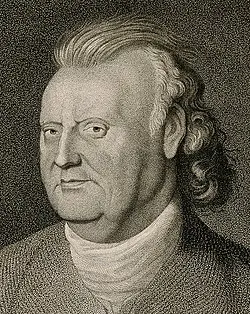
|
1784
|
Edward Waring
|
male
|
Mathematician
|
England
|
|
|
English mathematician and Lucasian Professor at Cambridge, known for Waring's problem in number theory and influential contributions to algebra and analysis. he win the Copley Medal for his Mathematical Communications to the Society. he win the Copley Medal for his Paper On the Summation of Series, whose general term is a determinate function of z the distance from the first term of the series.
|
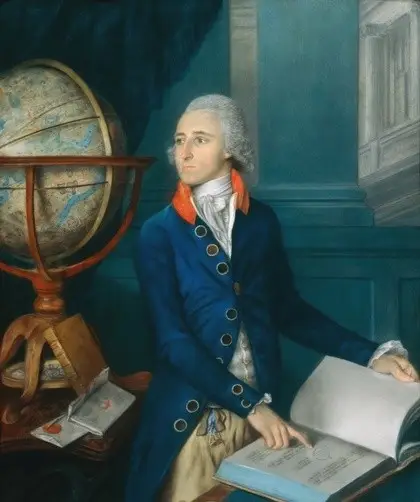
|
1783
|
John Goodricke
|
male
|
Astronomer
|
England
|
|
|
Deaf English astronomer who proposed that the periodic dimming of the star Algol was caused by an eclipsing companion, pioneering variable-star astronomy. he win the Copley Medal for his discovery of the Period of the Variation of Light in the Star Algol.
|
|
|
1783
|
Thomas Hutchins
|
male
|
Naturalist and explorer
|
England
|
|
|
English naturalist and Hudson's Bay Company chief factor who conducted pioneering scientific observations of cold, magnetism, and wildlife at Hudson Bay, Canada. he win the Copley Medal for his Experiments to ascertain the point of Mercurial Congelation.
|
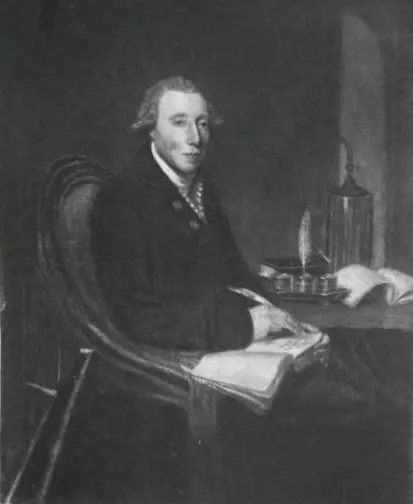
|
1782
|
Richard Kirwan
|
male
|
Chemist, mineralogist and geologist
|
Ireland
|
|
|
Irish chemist and mineralogist, president of the Royal Irish Academy, who advanced mineral classification and contributed influential early studies in meteorology. As a reward for the merit of his labours in the science of Chemistry. he win the Copley Medal for his chemical analyses of Salts.
|
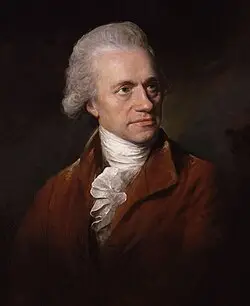
|
1781
|
William Herschel
|
male
|
Astronomer and composer
|
England
|
|
|
German-born British astronomer who discovered Uranus in 1781, the first planet found since antiquity, and pioneered deep-sky observation. For the Communication of his Discovery of a new and singular Star; a discovery which does him particular honour, as, in all probability, this start has been for many years, perhaps ages, within the bounds of astronomic vision.
|
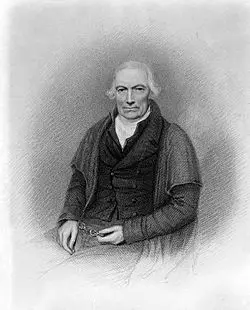
|
1780
|
Samuel Vince
|
male
|
Clergyman, mathematician and astronomer
|
England
|
|
|
English clergyman, mathematician and Plumian Professor of Astronomy at Cambridge, known for research on the motion and resistance of fluids. he win the Copley Medal for his paper, entitled, An investigation of the Principles of Progressive and Rotatory Motion, printed in the Philosophical Transactions.
|
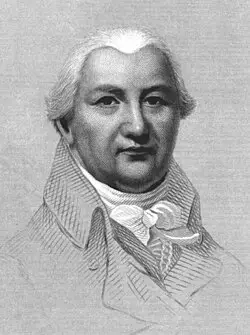
|
1778
|
Charles Hutton
|
male
|
Mathematician and surveyor
|
England
|
|
|
English mathematician and Royal Military Academy professor who calculated Earth's density and mass from Nevil Maskelyne's Schiehallion mountain gravity experiment data. he win the Copley Medal for his paper, entitled, The force of Fired Gunpowder, and the initial velocity of Cannon Balls, determined by Experiments.
|
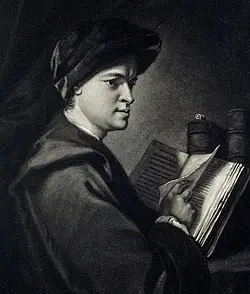
|
1777
|
John Mudge
|
male
|
Physician and telescope maker
|
England
|
|
|
English physician and telescope maker who devised improved methods for casting and polishing parabolic mirrors for reflecting telescopes, advancing Newton's optics. On account of his valuable Paper containing directions for making the best Composition for the metals of Reflecting Telescopes; together with a description of the process for grinding, polishing, and giving the best speculum the true parabolic form.
|
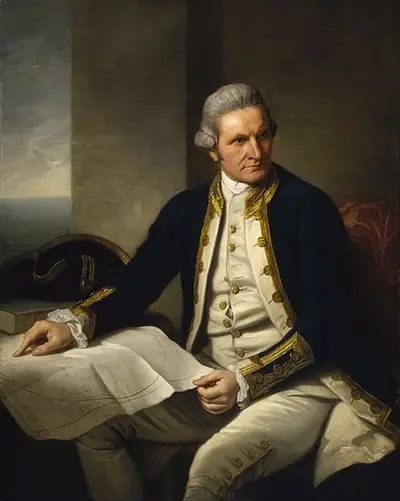
|
1776
|
James Cook
|
male
|
Royal Navy explorer and cartographer
|
England
|
|
|
British Royal Navy explorer and cartographer who charted the Pacific and prevented scurvy on long voyages through diet and hygiene. he win the Copley Medal for his Paper, giving an account of the method he had taken to preserve the health of the crew of H.M. Ship the Resolution, during her late voyage round the world. Whose communication to the Society was of such importance to the public.
|
|
1775
|
Nevil Maskelyne
|
male
|
Astronomer (Astronomer Royal)
|
England
|
|
|
British Astronomer Royal who established the Nautical Almanac, promoted the lunar-distance method for longitude, and conducted the Schiehallion density experiment. In consideration of his curious and laborious Observations on the Attraction of Mountains, made in Scotland, - on Schehallien.
|
|
|
1773
|
John Walsh
|
male
|
Scientist and politician
|
England
|
|
|
British scientist and MP who demonstrated that the shock from torpedo fish was electrical, advancing early understanding of bioelectricity. he win the Copley Medal for his Paper on the Torpedo.
|
|
1772
|
Joseph Priestley
|
male
|
Chemist and natural philosopher
|
England
|
|
|
English chemist and theologian who discovered oxygen and several other gases, and is credited with inventing carbonated soda water. On account of the many curious and useful Experiments contained in his observations on different kinds of Air, read at the Society in March, 1772, and printed in the Philosophical Transactions.
|
|
|
1771
|
Matthew Raper
|
male
|
Astronomer, mathematician and antiquarian
|
England
|
|
|
English astronomer, mathematician and antiquarian who studied ancient coinage, determining the monetary values of ancient Greek and Roman currencies. he win the Copley Medal for his paper entitled, An Enquiry into the value of ancient Greek and Roman Money.
|
|
1770
|
William Hamilton
|
male
|
Diplomat and volcanologist
|
England
|
|
|
British diplomat and volcanologist, envoy to Naples, who sent detailed scientific accounts of Vesuvius eruptions to the Royal Society. he win the Copley Medal for his Paper, entitled, An Account of a Journey to Mount Etna.
|
|
1769
|
William Hewson
|
male
|
Surgeon and anatomist
|
England
|
|
|
English surgeon and anatomist, father of haematology, who demonstrated the lymphatic system's function and isolated the blood-clotting protein fibrin. he win the Copley Medal for his Two Papers, entitled, An Account of the Lymphatic System in Amphibious Animals, - and An Account of the Lymphatic System in Fish.
|
|
|
1768
|
Peter Woulfe
|
male
|
Chemist and mineralogist
|
Ireland
|
|
|
Irish chemist and mineralogist who invented the Woulfe's bottle gas-purification apparatus and discovered picric acid, later used as dye and explosive. he win the Copley Medal for his Experiments on the Distillation of Acids, Volatile Alkalies, and other substances.
|
|
|
1767
|
John Ellis
|
male
|
Naturalist and merchant
|
England
|
|
|
British naturalist and linen merchant who gave the Venus flytrap its first published scientific description and studied corals and marine invertebrates. he win the Copley Medal for his Papers of the year 1767, On the animal nature of the Genus of Zoophytes called Corallina, and the Actinia Sociata, or Clustered Animal Flower, lately found on the sea coasts of the new-ceded Islands.
|
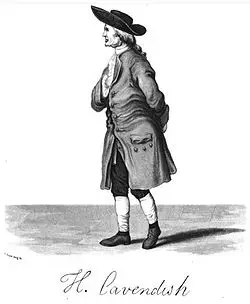
|
1766
|
Henry Cavendish
|
male
|
Chemist and physicist
|
England
|
|
|
English chemist and physicist who discovered hydrogen, determined the composition of air and water, and measured Earth's density. he win the Copley Medal for his Paper communicated this present year, containing his Experiments relating to Fixed Air.
|
|
|
1766
|
William Brownrigg
|
male
|
Physician and chemist
|
England
|
|
|
English physician and chemist, first to identify platinum as a distinct metal, who also studied gases in mineral waters. For an experimental enquiry into the Mineral Elastic Spirit, or Air, contained in Spa-Water; as well as into the Mephitic qualities of this Spirit.
|
|
|
1766
|
Edward Delaval
|
male
|
Natural philosopher
|
England
|
|
|
English natural philosopher and scholar who researched the chemical and optical properties of metals and glass, and played musical glasses. he win the Copley Medal for his Experiments and Observations on the agreement between the specific gravities of the several Metals, and their colours when united to glass, as well as those of their other preparations.
|
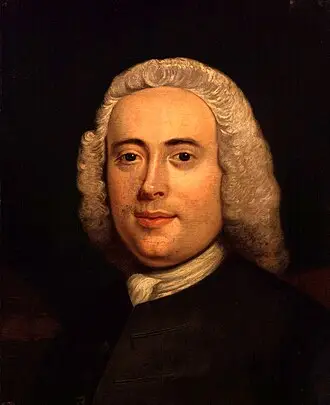
|
1764
|
John Canton
|
male
|
Physicist
|
England
|
|
|
English physicist who invented the pith-ball electroscope, verified Franklin's theory that lightning is electrical, and devised artificial magnets. he win the Copley Medal for his very ingenious and elegent Experiments in the Air Pump and Condensing Engine, to prove the Compressibility of Water, and some other Fluids.
|
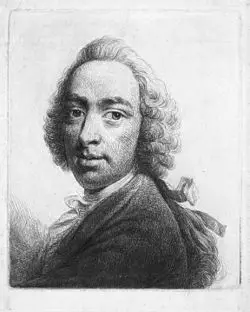
|
1760
|
Benjamin Wilson
|
male
|
Portrait painter and natural philosopher
|
England
|
|
|
English portrait painter and natural philosopher who studied electrical phenomena, notably the properties of tourmaline crystals, and rivaled Joshua Reynolds. he win the Copley Medal for his many curious Experiments in Electricity, communicated to the Society within the year.
|
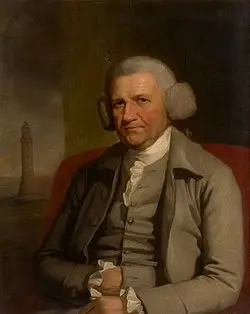
|
1759
|
John Smeaton
|
male
|
Civil engineer
|
England
|
|
|
English civil engineer, father of civil engineering, who designed the third Eddystone Lighthouse and studied the mechanics of waterwheels and windmills. On account of his curious Experiments concerning Water-wheels and Wind-mill Sails, communicated to the Society.
|
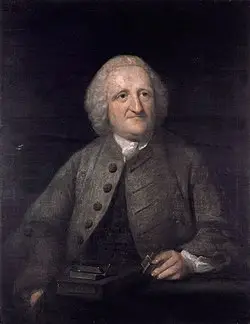
|
1758
|
John Dollond
|
male
|
Optician and instrument maker
|
England
|
|
|
English optician who developed and patented the achromatic lens, combining different types of glass to eliminate chromatic aberration in telescopes. On account of his curious Experiments and Discoveries concerning the different refrangibility of the Rays of Light, communicated to the Society.
|
|
|
1757
|
Charles Cavendish
|
male
|
Natural philosopher and politician
|
England
|
|
|
English nobleman, MP, and experimental scientist who improved thermometers and rain-gauge design; father of chemist Henry Cavendish and Royal Society Copley Medal recipient. On account of his very curious and useful invention of making Thermometers, showing respectively the greatest degrees of heat and cold which have happened at any time during the absence of the observer.
|
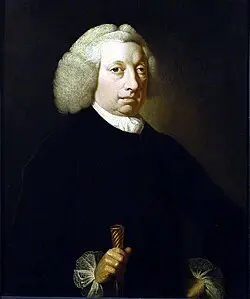
|
1755
|
John Huxham
|
male
|
Physician
|
England
|
|
|
English physician in Plymouth who studied fevers, described the illness now known as diphtheria, and devised Huxham's tincture, an antimalarial cinchona preparation. he win the Copley Medal for his many useful Experiments on Antimony, of which an account had been read to the Society.
|
|
|
1754
|
William Lewis
|
male
|
Chemist and physician
|
England
|
|
|
English chemist and physician who pioneered practical platinum metallurgy, investigated Prussian blue and cobalt pigments, and wrote influential chemical reference works. For the many Experiments made by him on Platina, which tend to the discovery of the sophistication of gold: - which he would have entirely completed, but was obliged to put a stop to his further enquiries for want of materials.
|
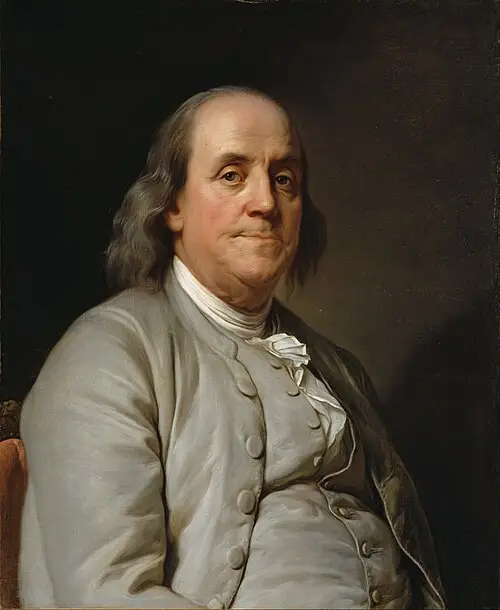
|
1753
|
Benjamin Franklin
|
male
|
Polymath: scientist, inventor, statesman, printer
|
United States
|
|
|
American polymath and Founding Father whose kite experiment demonstrated the electrical nature of lightning, leading directly to his invention of the lightning rod. On account of his curious Experiments and Observations on Electricity.
|
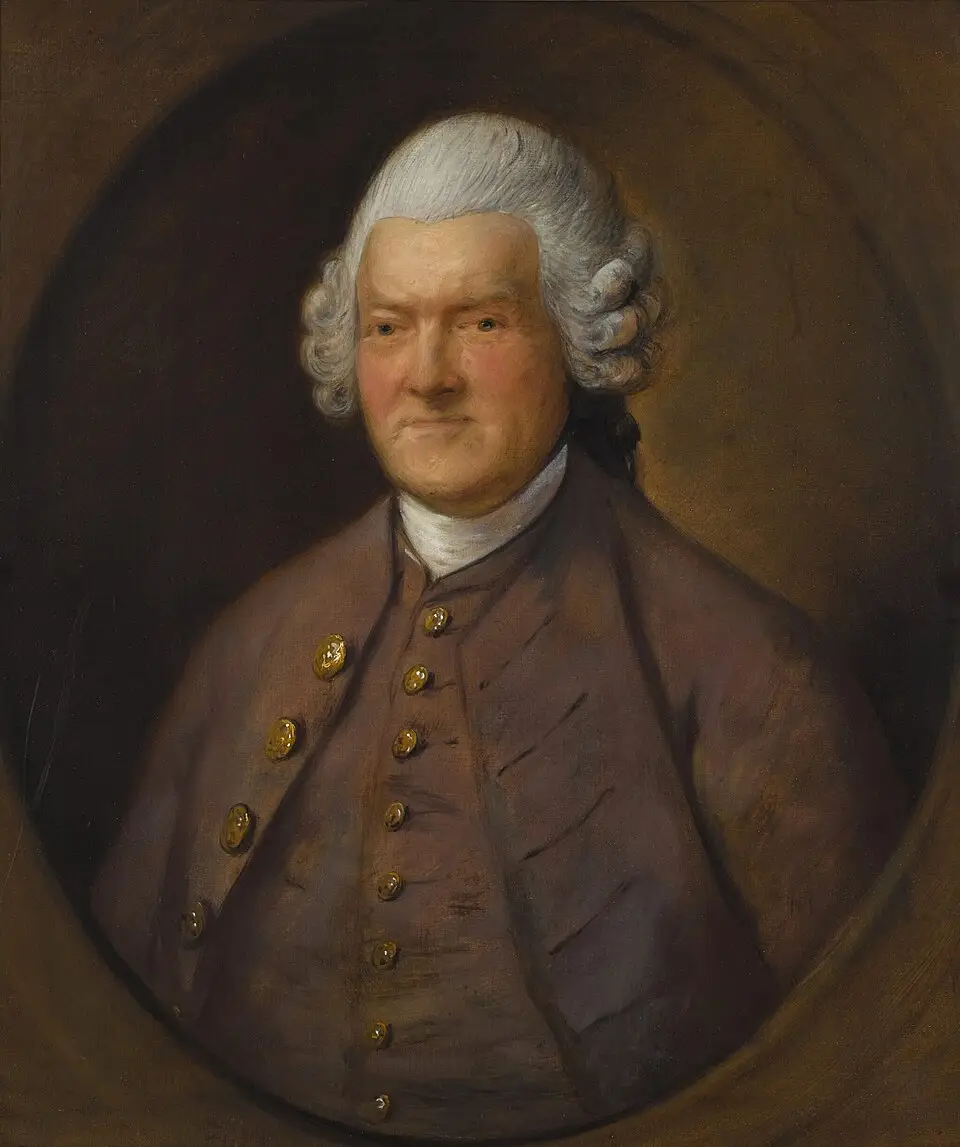
|
1752
|
John Pringle
|
male
|
Physician
|
United Kingdom
|
|
|
Scottish physician regarded as the founder of modern military medicine, promoting hospital sanitation and antiseptics; later served as President of the Royal Society. On account of his very curious and useful Experiments and Observations on Septic and Anti-septic Substances, communicated to the Society.
|
|
|
1751
|
John Canton
|
male
|
Physicist
|
England
|
|
|
English physicist who invented the pith-ball electroscope, verified Franklin's theory that lightning is electrical, and devised artificial magnets. he win the Copley Medal for his very ingenious and elegent Experiments in the Air Pump and Condensing Engine, to prove the Compressibility of Water, and some other Fluids.
|
|
1750
|
George Edwards
|
male
|
Naturalist and ornithologist
|
England
|
|
|
English naturalist called the father of British ornithology, whose illustrated volumes 'A Natural History of Uncommon Birds' documented and depicted species worldwide. On account of a very curious Book lately published by him, and intiyled, A Natural History of Birds.
|
|
1749
|
John Harrison
|
male
|
Carpenter and clockmaker
|
England
|
|
|
Self-taught English carpenter and horologist who invented the marine chronometer, solving the longitude problem and revolutionizing accurate navigation at sea. On account of those very curious Instruments, invented and made by him, for the exact mensuration of Time.
|
|
1748
|
James Bradley
|
male
|
Astronomer and clergyman
|
England
|
|
|
English Astronomer Royal who discovered the aberration of starlight and the nutation of Earth's axis, providing the first direct observational proof of Earth's orbital motion. On account of his very curious and wonderful discoveries in the apparent motion of the Fixed Stars, and the causes of such apparent motion.
|
|
1747
|
Gowin Knight
|
male
|
Physician and physicist
|
England
|
|
|
English physician and physicist who developed powerful artificial magnets and an improved mariner's compass, and became the British Museum's first principal librarian. On account of several very curious Experiments exhibited by him, both with Natural and Artificial Magnets.
|
|
|
1746
|
Benjamin Robins
|
male
|
Mathematician and military engineer
|
England
|
|
|
English mathematician whose book 'New Principles of Gunnery' founded modern ballistics, using an invented ballistic pendulum to measure projectile velocity experimentally. On account of his curious Experiments for showing the resistance of the Air, and his rules for establishing his doctrine thereon for the motion of Projectiles.
|
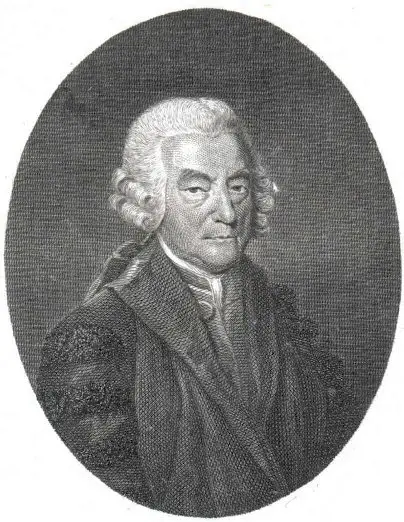
|
1745
|
William Watson
|
male
|
Physician and natural philosopher
|
England
|
|
|
English physician and electrical experimenter who demonstrated transmission of an electric charge over long distances and helped advance early theories of electricity. On account of the surprising discoveries in the phenomena of Electricity, exhibited in his late Experiments.
|
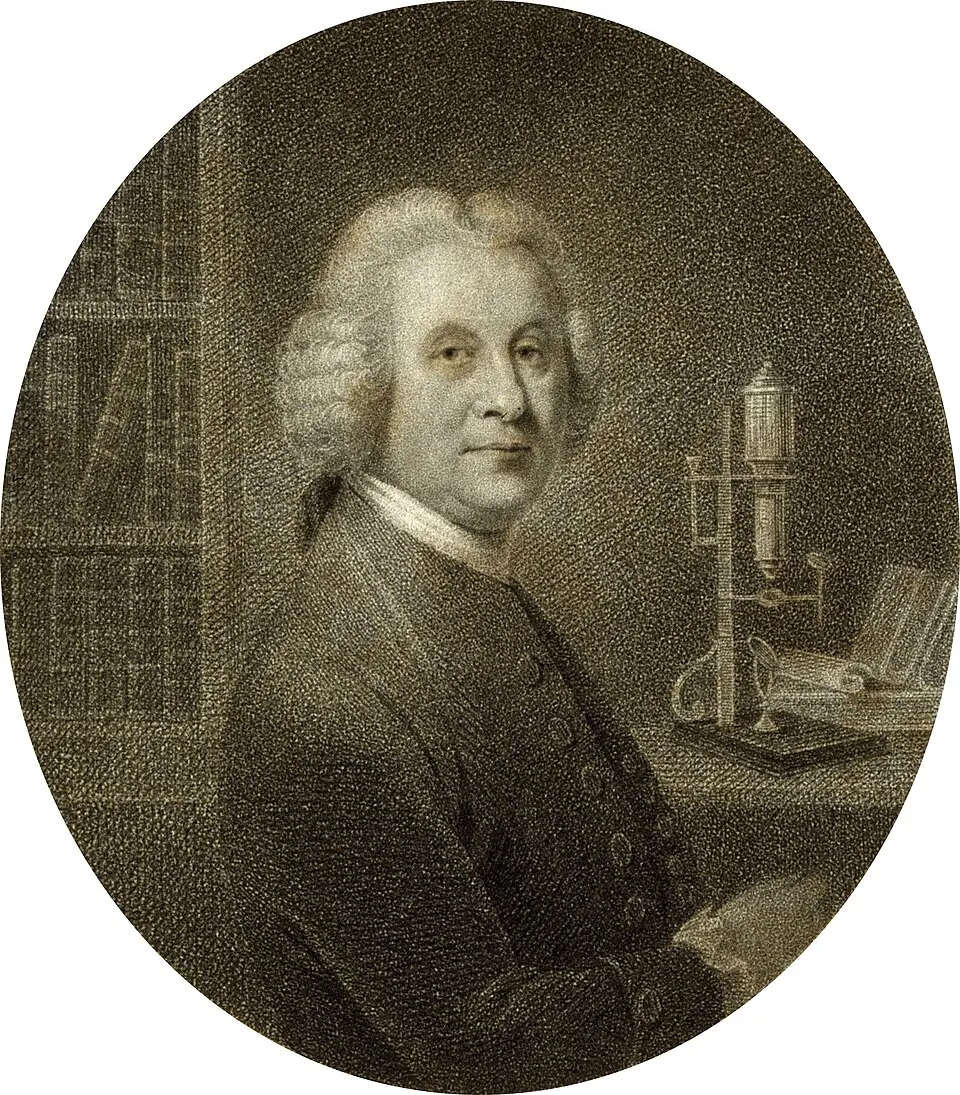
|
1744
|
Henry Baker
|
male
|
Naturalist and microscopist
|
England
|
|
|
English naturalist and poet who popularized microscopy for a general audience, studied polyps and crystallization, and co-founded the Royal Society of Arts. he win the Copley Medal for his curious Experiments relating to the Crystallization or Configuration of the minute particles of Saline Bodies dissolved in a menstruum.
|
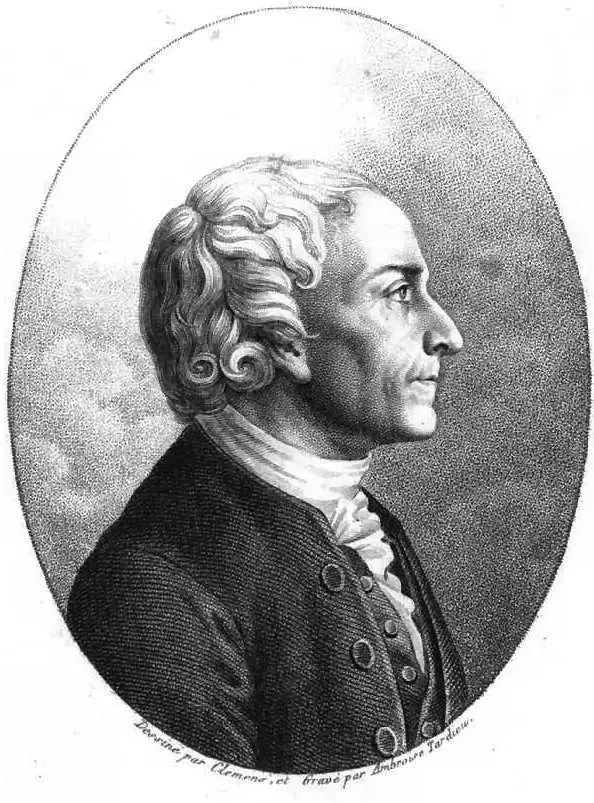
|
1743
|
Abraham Trembley
|
male
|
Naturalist
|
Switzerland
|
|
|
Swiss naturalist celebrated for pioneering experiments on freshwater hydra, discovering their extraordinary regenerative ability and helping found experimental zoology. he win the Copley Medal for his Experiments on the Polypus.
|
|
|
1742
|
Christopher Middleton
|
male
|
Naval officer and Arctic explorer
|
England
|
|
|
English sea captain who commanded a 1741-42 Hudson Bay expedition searching for the Northwest Passage and made pioneering observations of magnetic compass dip. For the communication of his Observations in the attempt of discovering a North-West passage to the East Indies through Hudsons Bay.
|
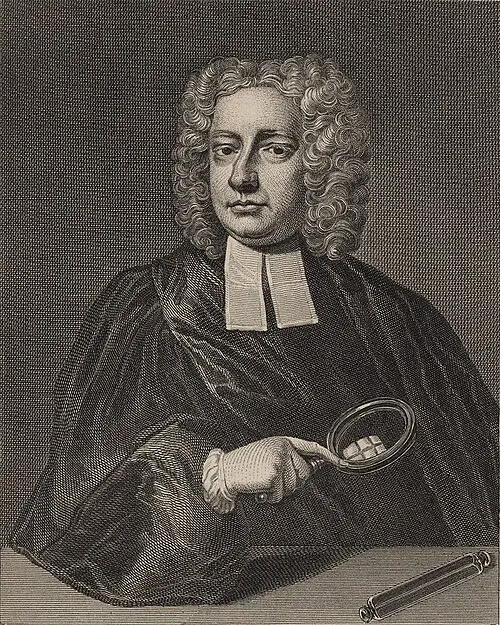
|
1741
|
John Theophilus Desaguliers
|
male
|
Natural philosopher, clergyman, and engineer
|
England
|
|
|
French-born British natural philosopher and clergyman who popularized Newtonian physics through public lectures and demonstrations, and improved the Newcomen steam engine. he win the Copley Medal for his Experiments towards the discovery of the properties of Electricity. As an addition to his allowance (as Curator) for the present year.
|
|
|
1740
|
Alexander Stuart
|
male
|
Physician and physiologist
|
United Kingdom
|
|
|
Scottish physician and physiologist who conducted pioneering experimental research on muscular motion and the lymphatic system, and served as physician to Queen Caroline. he win the Copley Medal for his Lectures on Muscular Motion.
|
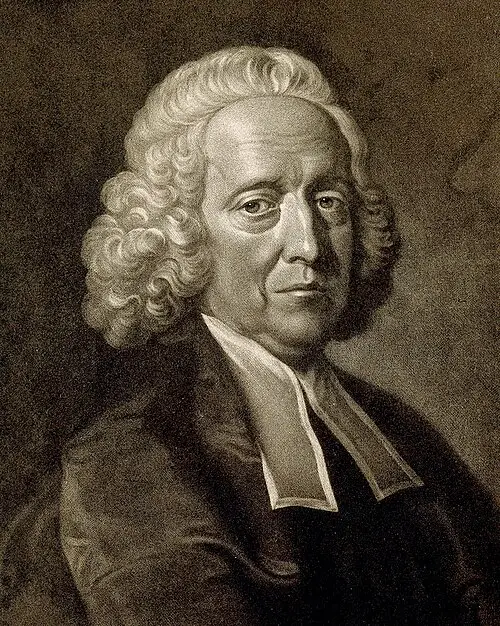
|
1739
|
Stephen Hales
|
male
|
Clergyman, physiologist, and chemist
|
England
|
|
|
English clergyman-scientist who first directly measured blood pressure in animals, pioneered experimental plant physiology, and invented ventilation systems for ships and prisons. he win the Copley Medal for his Experiments towards the Discovery of Medicines for dissolving the Stone; and Preservatives for keeping Meat in long voyages at Sea.
|
|
|
1738
|
James Valoue
|
male
|
Instrument maker and engineer
|
England
|
|
|
Little-documented English instrument maker and engineer who received the Copley Medal for inventing a portable fire engine used for pumping water to extinguish fires. he win the Copley Medal for his invention of an Engine for driving the Piles to make a Foundation for the Bridge to be erected at Westminster.
|
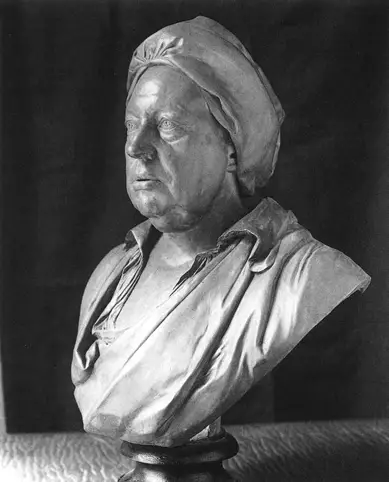
|
1737
|
John Belchier
|
male
|
Surgeon
|
England
|
|
|
English surgeon at Guy's Hospital who discovered that the dye madder stains growing bone tissue red, an observation that advanced understanding of bone growth. he win the Copley Medal for his Experiment to show the property of a Diet of Madder Root in dyeing the Bones of living animals of a red colour.
|
|
|
1736
|
John Theophilus Desaguliers
|
male
|
Natural philosopher, clergyman, and engineer
|
England
|
|
|
French-born British natural philosopher and clergyman who popularized Newtonian physics through public lectures and demonstrations, and improved the Newcomen steam engine. he win the Copley Medal for his Experiments towards the discovery of the properties of Electricity. As an addition to his allowance (as Curator) for the present year.
|
|
|
1734
|
John Theophilus Desaguliers
|
male
|
Natural philosopher, clergyman, and engineer
|
England
|
|
|
French-born British natural philosopher and clergyman who popularized Newtonian physics through public lectures and demonstrations, and improved the Newcomen steam engine. he win the Copley Medal for his Experiments towards the discovery of the properties of Electricity. As an addition to his allowance (as Curator) for the present year.
|
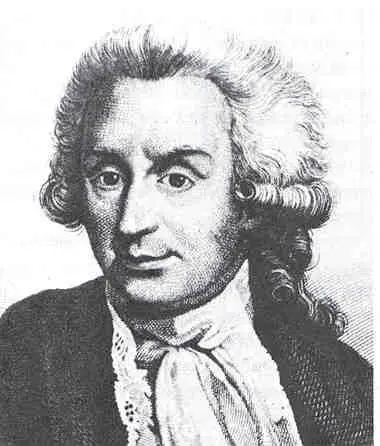
|
1732
|
Stephen Gray
|
male
|
Astronomer and physicist
|
England
|
|
|
English scientist, originally a dyer, who discovered electrical conduction and insulation by distinguishing conductors from non-conductors, winning the first-ever Copley Medal. For the Experiments he made for the year 1732.
|
|
|
1731
|
Stephen Gray
|
male
|
Astronomer and physicist
|
England
|
|
|
English scientist, originally a dyer, who discovered electrical conduction and insulation by distinguishing conductors from non-conductors, winning the first-ever Copley Medal. For the Experiments he made for the year 1732.
|