|
2025
|
|
Poet, lyricist, novelist and screenwriter
|
Tamil Nadu
|
|
|
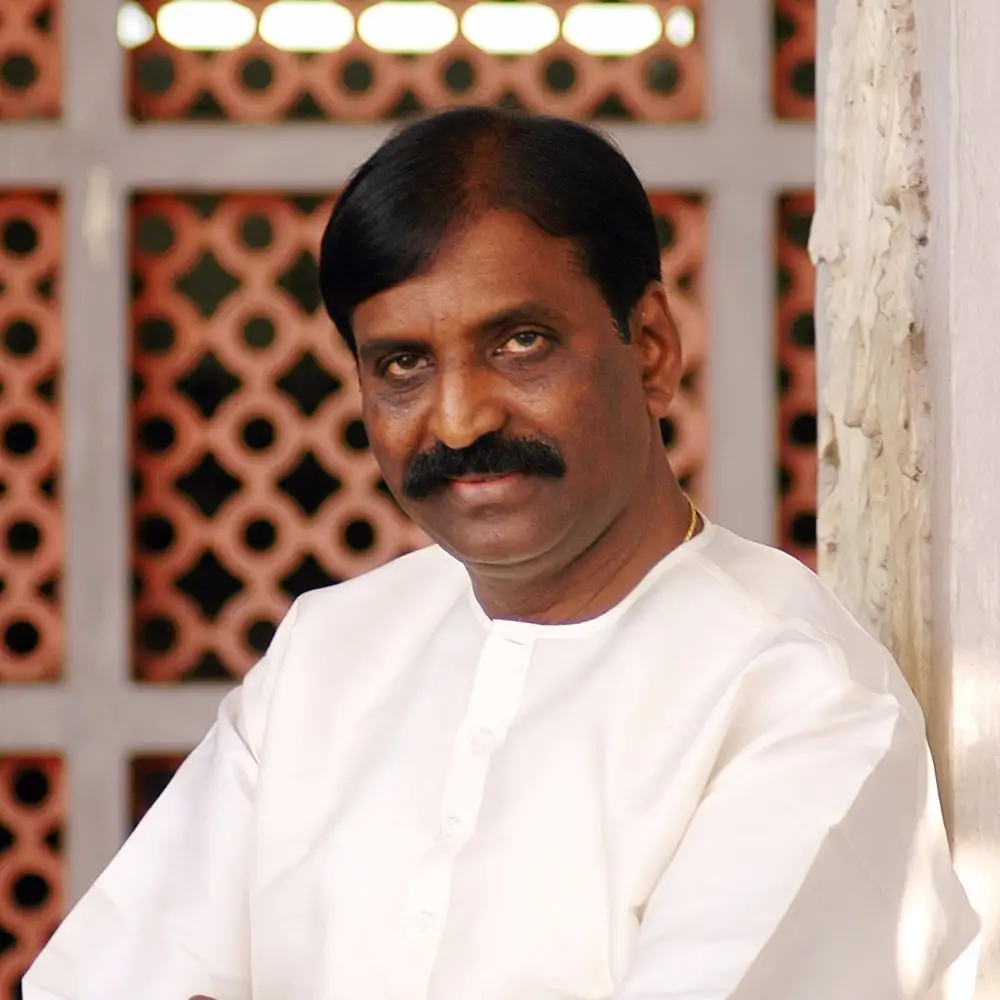
Vairamuthu was awarded the 60th Jnanpith Award in 2025 for his outstanding contribution to Indian literature. He is the third Tamil literary figure to receive the award, after a gap of 24 years.
|
|
2024
|
|
Novelist, poet and short-story writer
|
Chhattisgarh
|
|
|
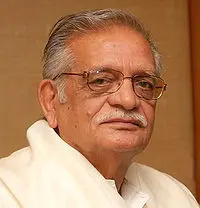
Vinod Kumar Shukla became the first Chhattisgarhi to receive the 59th Jnanpith Award
|
|
2023
|
|
Poet, lyricist, screenwriter and film director
|
Punjab
|
|
|
In 2024, Gulzar was awarded the Jnanpith, India's highest literary award. it is the fifth time the award is being given for Urdu. He is top director and writer of Hindi cinema.
|
|
2023
|
Jagadguru Swami Rambhadracharya
|
Hindu spiritual leader, Sanskrit scholar and poet
|
Uttar Pradesh
|
|
|
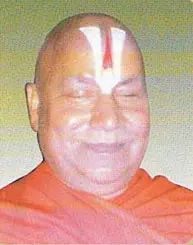
On 17 February 2024 Rambhadracharya was named a recipient of the 58th Jnanpith Award for year 2023. it is the second time the award is being given for Sanskrit.
|
|
2022
|
|
Short-story writer, novelist, critic and screenwriter
|
Goa
|
|
|
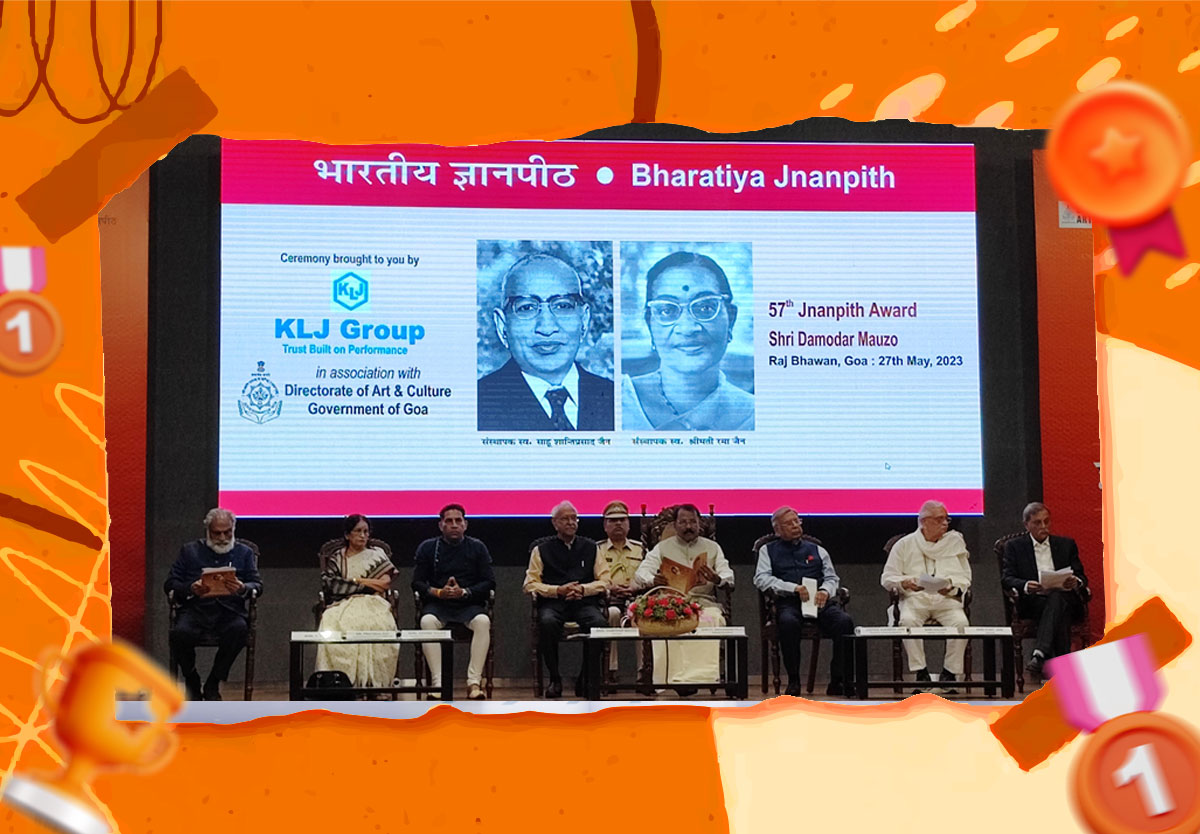
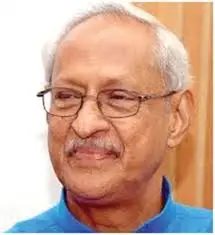
He was awarded the 57th Jnanpith Award, India's highest literary honour, in 2022
|
|
2021
|
Nilamoni Phukan
|
Poet and academic
|
Assam
|
|
|
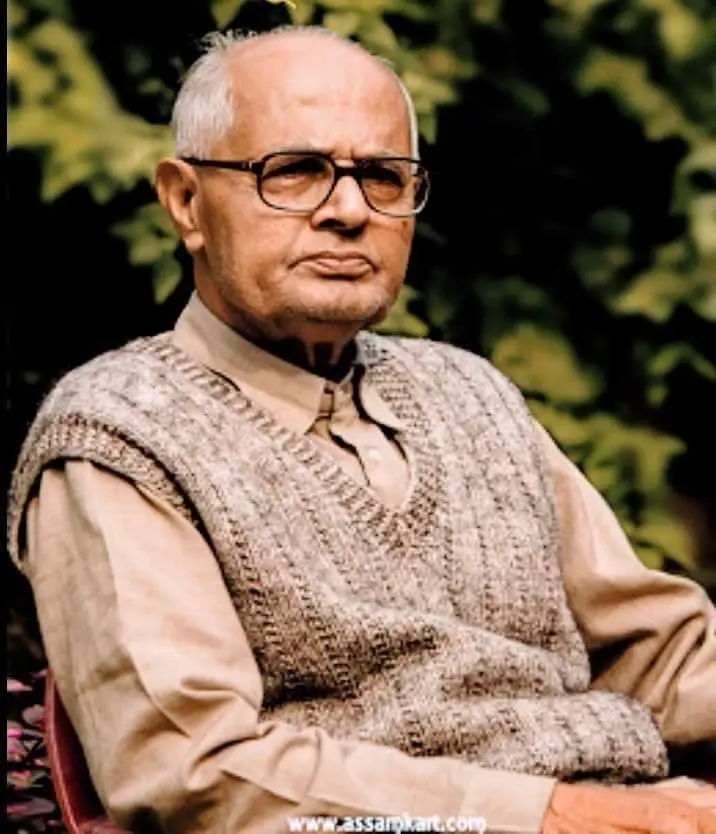
Nilmani Phookan was the third literary stalwart from the state to be selected for the coveted Jnanpith award after Birendra Kumar Bhattacharya and Mamoni Raisom Goswami. What made Phookan stand out was symbolism in his poetry inspired by French symbolism. “He is the greatest poet of contemporary times. He won 56th Jnanpith award.
|
|
2019
|
|
Poet, essayist and social worker
|
Kerala
|
|
|
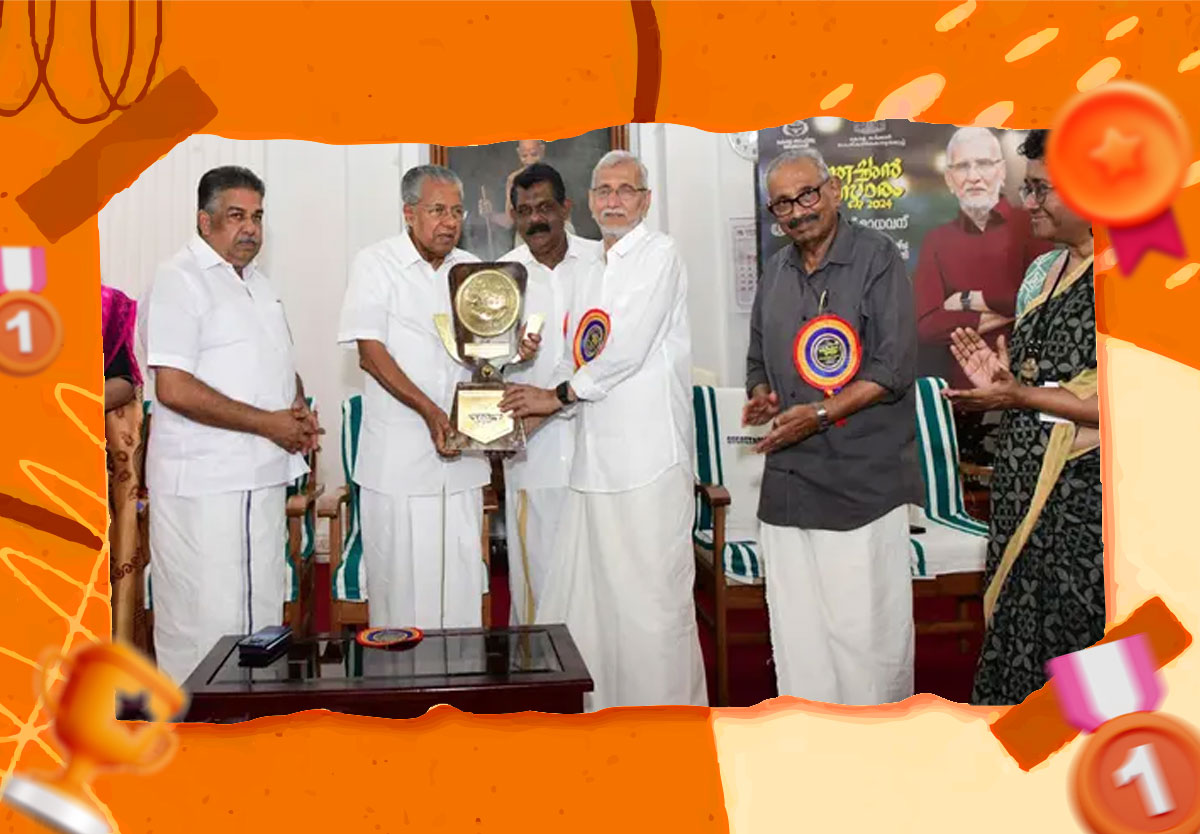
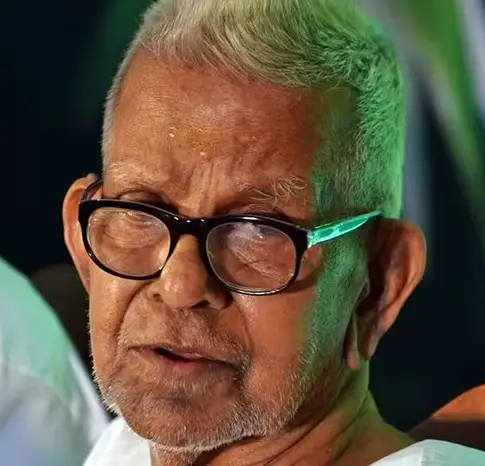
Akkitham Achuthan Namboothiri poet popularly known as Akkitham wins 55th Jnanpith Award. he is the 6th Malayalam writer who bagged the award. Poet G Sankara Kurup was the first Malayalam writer who won the award. Thakazhi, SK Pottekatt, MT Vasudevan Nair and ONV Kurup are the other Malayalam writers who bagged the award.
|
|
2018
|
|
Novelist and essayist
|
West Bengal
|
|
|
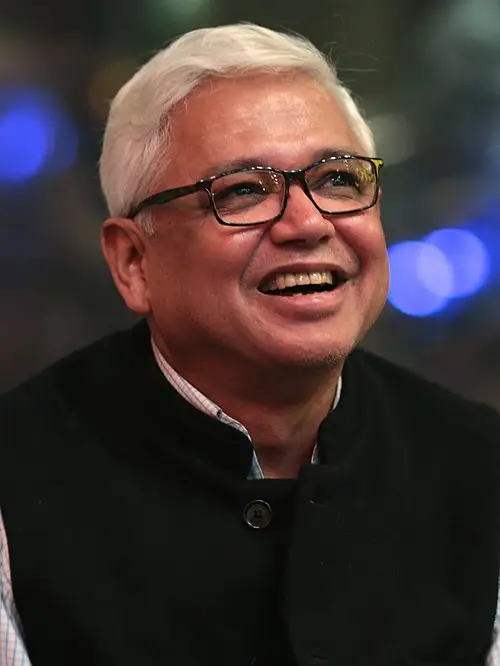
Author Amitav Ghosh honoured with 54h Jnanpith award. Ghosh, one of the most prominent contemporary Indian writers, is known for a series of novels such as "Shadow Lines", "The Glass Palace", "The Hungry Tide", and Ibis Trilogy — "Sea of Poppies", "River of Smoke", and "Flood of Fire" — chronicling the Opium trade between India and China run by the East India Company.
|
|
2017
|
|
Fiction writer and essayist
|
Delhi
|
|
|
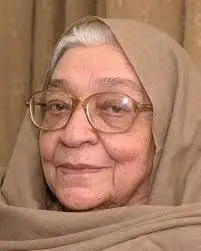
Krishna Sobti gets prestigious 53rd Jnanpith award in 2017. Sobti is most known for her 1966 novel Mitro Marajani, an unapologetic portrayal of a married woman’s sexuality. She was also the recipient of the first Katha Chudamani Award, in 1999, for Lifetime Literary Achievement, apart from winning the Shiromani Award in 1981, Hindi Academy Award in 1982, Shalaka Award of the Hindi Academy Delhi and in 2008, her novel Samay Sargam was selected for Vyas Samman, instituted by the K. K. Birla Foundation.
|
|
2016
|
|
Poet and literary critic
|
West Bengal
|
|
|
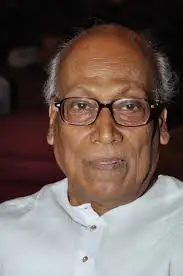
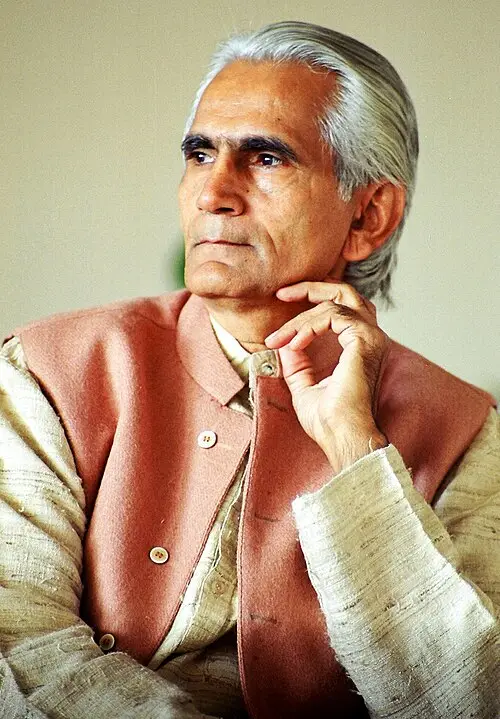
Bengali poet Shankha Ghosh has been chosen for the prestigious 52nd Jnanpith Award for 2016. Ghosh has penned several poems including ‘Adim lata-gulmomay’, ‘Murkha baro, samajik nay’, ‘Kabir abhipray’, ‘Mukh dheke jay bigyapane’ and ‘Babarer prarthana’, that went on to become classic creations.
|
|
2015
|
|
Novelist, poet, critic and columnist
|
Gujarat
|
|
|
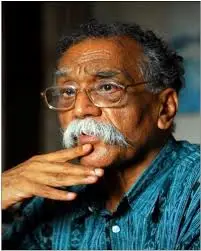
He received 51st Jnanpith Award, considered to be India's highest literary award, in 2015. In 2019, he was awarded a D.Lit. by Gujarat University.
|
|
2014
|
|
Novelist, poet, critic and linguist
|
Maharashtra
|
|
|
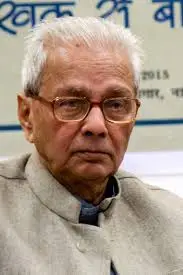
Prominent Marathi litterateur Bhalachandra Nemade selected for 50th Jnanpith Award. He is a Marathi writer from Maharashtra and is famous for his "Hindu" & "Kosala" books and for novel "Hindu jagnyachi samrudhha adgal" He holds a PhD and D.Lit. degrees from North Maharashtra University. He was conferred with Padma Shri in 2011 by Government of India.
|
|
2013
|
|
Poet, critic and essayist
|
Delhi
|
|
|
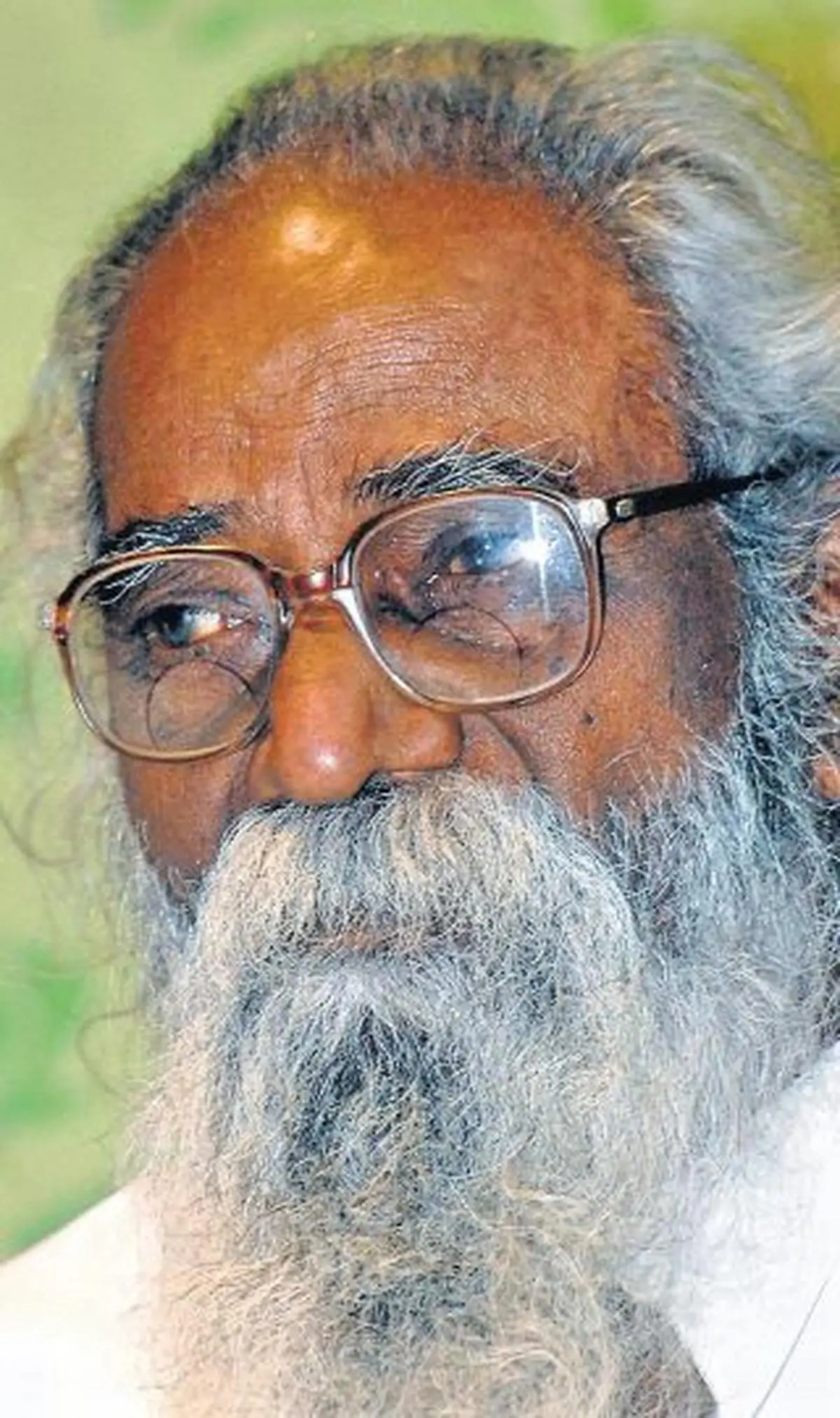
Hindi Poet Kedarnath Singh Receives 49th Jnanpith Award, 2013. He is the 10th Hindi literati to receive this prestigious award. After winning the award, he has joined the list of prominent Hindi litterateurs including Ramdhari Singh ‘Dinkar’, Sumitranandan Pant, S.H.V. Ajneya, Mahadevi Varma, Naresh Mehta, Nirmal Verma, Kunwar Narain, Shrilal Shukla and Amarkant. Kedarnath has penned the many essays and stories including Abhi Bilkul Abhi, Zameen Pak Rahi Hai, Akaal Mein Saaras, Yahan Se Dekho, Tolstoy Aur Cycle, Kalpana Aur Chhayavad, Kabristan Mein Panchayat, Mere Samay Ke Shabd and Taana Baana among others. He has been honoured with Kumaran Aashan and Vyas Award.
|
|
2012
|
Ravuri Bharatwaja
|
Novelist, short-story writer, poet and critic
|
Andhra Pradesh
|
|
|
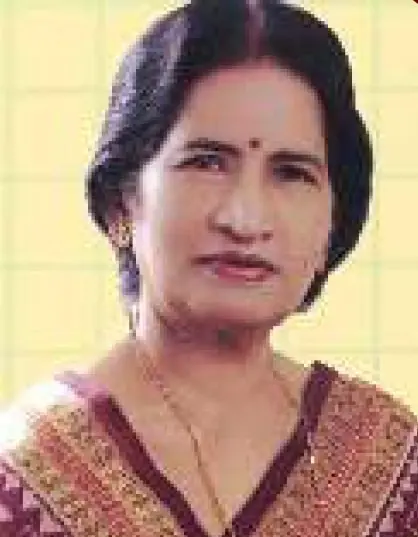
Eminent Telugu novelist, short story writer, poet and critic Ravuri Bharadwaja was selected for the prestigious 48th Jnanpith award. Bharadhwaja has been twice awarded the State Sahitya Academy Award for Literature and in 1983 was the winner of the Central Sahitya Academy Award.
|
|
2011
|
|
Novelist, short-story writer and academic
|
Odisha
|
|
|
Oriya novelist and academician Pratibha Ray wins 47th Jnanpith Award in 2011. In the year 2011, under this award, a cash prize of ₹7 lakh, a citation, and public recognition were conferred. Ray has 20 novels, 24 short stories, 10 travelogues, two poetry collections and a number of essays to her credit. Pratibha Ray is the first Odia woman and fourth Odia writer to get the coveted award. Earlier Gopinath Mohanty (1973), Sachidananda Routray (1986) and Sitakant Mohapatra (1993) were conferred the honour.
|
|
2010
|
Dr. Chandrashekhar B. Kambar
|
Poet, playwright, folklorist and film director
|
Karnataka
|
|
|
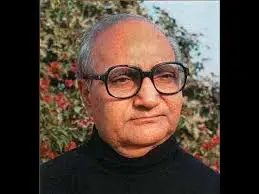
Chandrashekar Kambar awarded to 46th Jnanpith Award in 2010 and 8th for Kannada Language. His plays Jokumaraswamy and SangyaBalya have seen thousands of performances, not only in Kannada, but several other Indian languages as well. He is also recipient of Sahitya Akademi Award, Padma Shri, Pampa Award and Padma Bhushan etc.
|
|
2009
|
|
Hindi novelist and satirist; former civil servant
|
Uttar Pradesh
|
|
|
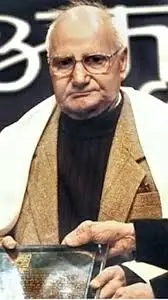
Shrilal Shukla and Amar Kant win 45th Jnanpith Award in 2009. He is also recived Sahitya Akademi Award in 1969, Vyas Samman in 1999 and Padma Bhushan in 2008 by the President of India for his contribution to Indian literature and culture.
|
|
2009
|
|
Novelist and short-story writer
|
Uttar Pradesh
|
|
|
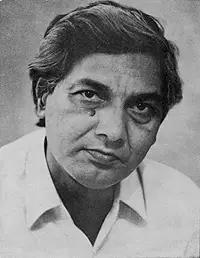
Amar Kant and Shrilal Shukla win 45th Jnanpith Award in 2009. He is the considered one of the prominent writers of the story writing tradition of Premchand but certainly is credited to add something better in that tradition by his own individuality.
|
|
2008
|
|
Urdu poet, academic, and film lyricist
|
Uttar Pradesh
|
|
|
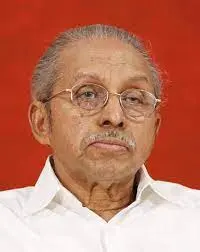
Urdu poet Akhlaq Khan Shahryar have been chosen for the 44rt Jnanpith award. He is the fourth Urdu poet to win the award till 2008. He has been widely acknowledged as the finest exponent of modern Urdu poetry.
|
|
2007
|
|
Malayalam poet, lyricist, and professor
|
Kerala
|
|
|
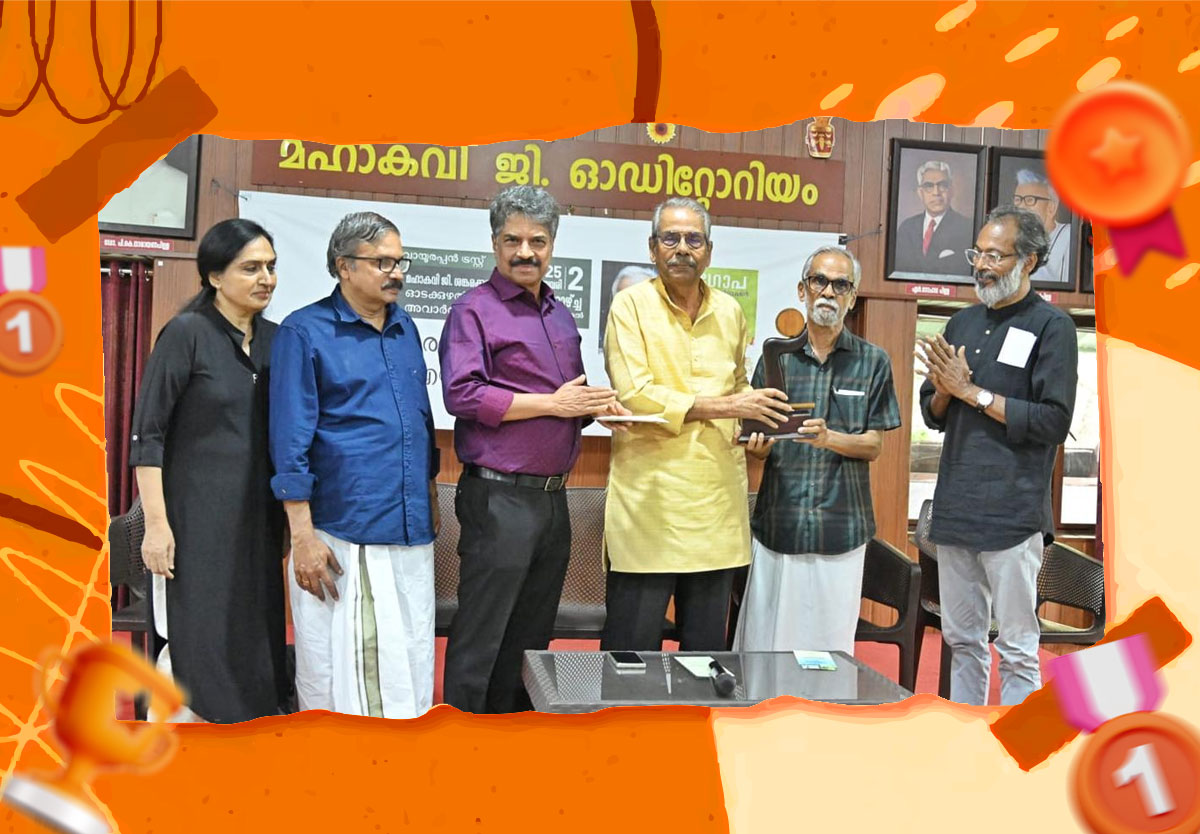
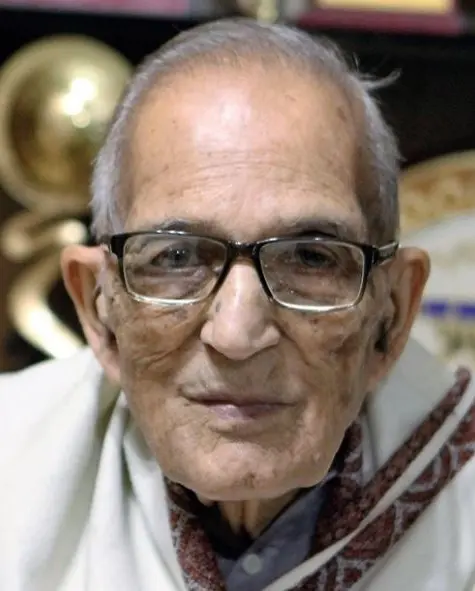
O.N.V. Kurup have been chosen for the 43rd Jnanpith award in 2007. He was the fifth Jnanpith laureate from Kerala and the second Malayalam poet to win the award. According to a statement by Bharatiya Jnanpith, the trust which presents the award, Kurup began his career as a "progressive writer and matured into a humanist though he never gave up his commitment to socialist ideology".
|
|
2006
|
|
Sanskrit scholar, poet, and academic
|
Uttar Pradesh
|
|
|
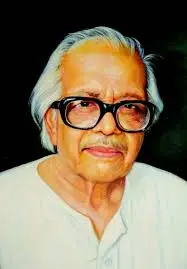
Sanskrit poet Satya VratShastri was conferred the 42nd Jnanpith award for his contributions to the enrichment of the language by his disciple and Princess of Thailand MahaChakri Sirindhorn. Shastri became the first Sanskrit poet to be conferred the award since its inception. He is the first awardee of Jnanpith award who win for Sanskrit Langauge.
|
|
2006
|
|
Konkani writer, freedom fighter, and linguistic activist
|
Goa
|
|
|
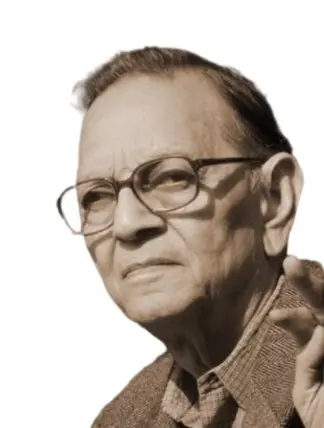
Ravindra Kelekar, eminent Konkani author and Shri Satya Vrat Shastri, eminent Sanskrit scholar were declared joint winners of the 42nd Jnanpith Award for the year 2006. Kelekar played a key role in the establishment of the Konkani Bhasha Mandal and is perhaps the single most important player in building the literary culture in Konkani. Some of his important creations include ‘Amchi Bhas Konkaneech’; ‘Shalent Konkani Kityak’; ‘Bahubhashik Bharatant Bhashenche Samajshastra’ and ‘Himalayant’. Kelekar has won many prestigious awards including the Sahitya Akademi Award, Sauhard Samman and Goa Kala Academy’s literary award.
|
|
2005
|
|
Hindi poet
|
Delhi
|
|
|
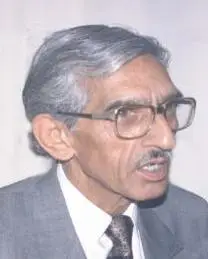
The 41st Jnanpith Award for the year 2005 went to the eminent Hindi poet Shri Kunwar Narayan Kunwar Narain has a stalwart presence in the field of Hindi poetry for last many decades. Associated with the ‘Nayi Kavita’ (New Poetry) in Hindi, Narain was one of the poets featured in Teesra Saptak (1959), one of the four influential anthologies of seven contemporary poets, edited by the eminent poet, Agyeya. He is described as “one of the most well-read poets in Hindi”, a predominantly ‘meditative’ poet, “dwelling on the present through the prism of myth and history” and as a writer whose work reveals ‘a twentieth century sensibility in its anguish as well as its resourcefulness’. His many accolades include the Hindustani Akademi and Sahitya Akademi awards.
|
|
2004
|
|
Kashmiri poet, translator, and literary critic
|
Jammu and Kashmir
|
|
|
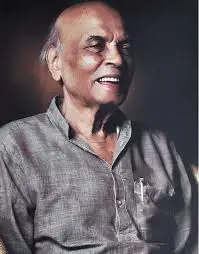
Kashmiri poet Rehman Rahi has been chosen for the 40th Jnanpith Award in 2004. His collections of poems include Subhuk Soda, Kalami Rahi and Siyah Roode Jaren Manz (In black vernal showers). Prof. Rahi founded the Kashmiri department at Kashmir University, and leads the movement for the preservation and promotion of Kashmiri.
|
|
2003
|
Govind Vinayak Karandikar
|
Marathi poet, literary critic, and translator
|
Maharashtra
|
|
|
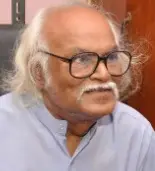
Govind Vinayak win the 39th Jnanpith Award in the 2003 for his outstanding contribution to Marathi poetry and literature. In the 2003 he is the third Marathi writer to receive this award.
|
|
2002
|
|
Tamil writer, journalist, and filmmaker
|
Tamil Nadu
|
|
|
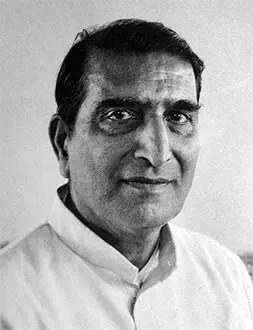
Jayakanthan's literary honours include 38th Jnanpith Award in 2002 and Sahitya Akademi awards. He was also a recipient of Padma Bhushan (2009), India's third-highest civilian honour, the Soviet Land Nehru Award (1978), and the Russian government's Order of Friendship (2011).
|
|
2001
|
|
Gujarati poet
|
Maharashtra
|
|
|
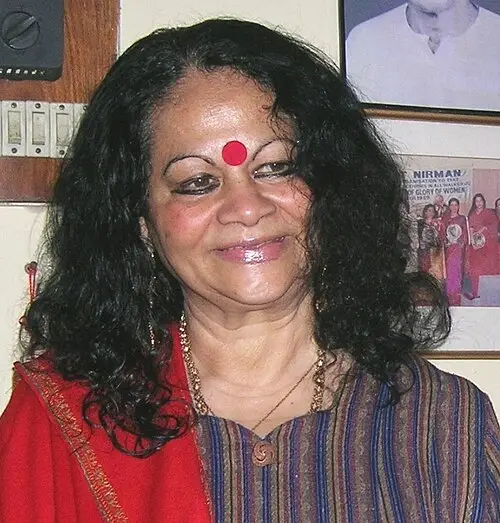
Rajendra awarded to the 37th Jnanpith Award in 2001, In the 2001 prize carries with it a citation, a plaque, a statue of Vagdevi and Rs. 5 lakhs in cash. Mr. Shah is the third Gujarati to be given the award after Uma Shankar Joshi and Pannalal Patel in 1967 and 1985 respectively.
|
|
2000
|
Mamoni Roysom Goswami (Indira Goswami)
|
Assamese writer, poet, and academic
|
Assam
|
|
|
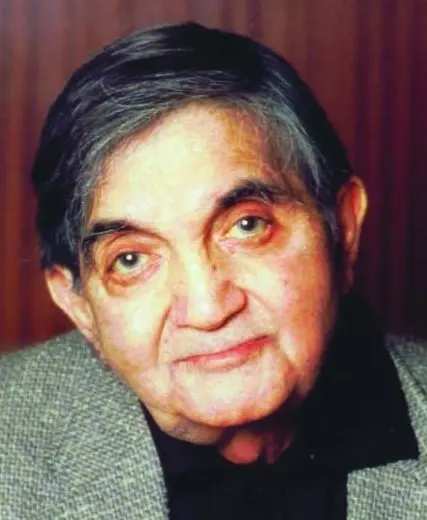
Indira Goswami is awarded to the 36th Jnanpith Award in year 2000. She works have been translated into English from her native Assamese which include The Moth-Eaten Howdah of the Tusker, Pages Stained With Blood and The Man from Chinnamasta.
|
|
1999
|
|
Hindi novelist, essayist, and translator
|
Delhi
|
|
|
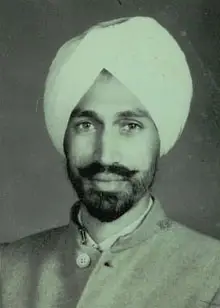
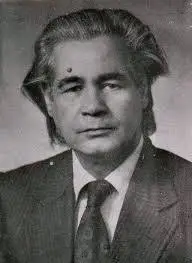
Nirmal Verma was a Hindi writer, novelist, activist and translator. He is credited as being one of the pioneers of the Nai Kahani (New Story) literary movement of Hindi literature. In 1999 he won the 35th Jnanpith Award.
|
|
1999
|
|
Punjabi novelist and short-story writer
|
Punjab
|
|
|
Gurdial shared the 35th Jnanpith Award with Hindi language author Nirmal Verma in 1999. Singh started his literary career in 1957 with a short story, "Bhaganwale", which was published in Panj Darya, a magazine edited by Mohan Singh.
|
|
1998
|
|
Playwright, actor, and film director
|
Karnataka
|
|
|
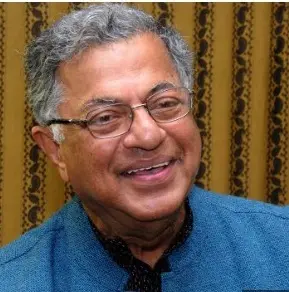
Kannada playwright, filmmaker and actor Dr Girish Karnad has bagged the 34th Jnanpith award for outstanding contribution to Indian literature. the award carries a citation plaque, bronze replica of Vagdevi and Rs 500,000 in 1998. Dr Karnad is the seventh Kannada writer to win the prestigious award.
|
|
1997
|
Ali Sardar Jafri
|
Urdu poet, critic, and film lyricist
|
Uttar Pradesh
|
|
|
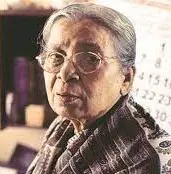
Ali Sardar Jafri, the celebrated Urdu writer, has been chosen for the highest literary honour in the country, the 33rd Jnanpith Award. In 1996 award carries a cheque for Rs 250,000, a citation and a bronze replica of Vagdevi. Among the books that brought him fame are Parwaz, Nai Duniya Ko Salaam, Khoon Ki Lakeer, Asia Jag Utha, Patthar Ki Deewar, Ek Khwab Aur, Pairahan-e-Sharar and Lahu Pukarta Hai.
|
|
1996
|
|
Bengali writer and social activist
|
West Bengal
|
|
|
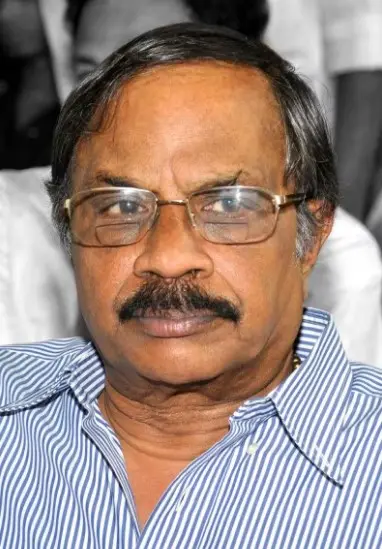
Mahasveta Devi was honoured with various literary awards such as the Sahitya Akademi Award (in Bengali), 32nd Jnanpith Award and Ramon Magsaysay Award along with India's civilian awards Padma Shri and Padma Vibhushan.
|
|
1995
|
|
Novelist, short-story writer, screenwriter, and film director
|
Kerala
|
|
|
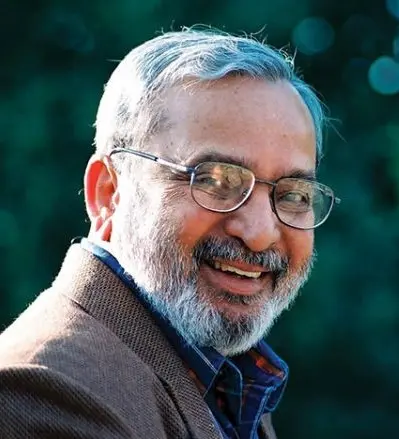
Vasudevan was awarded the highest literary award in India, 31st Jnanpith, for his overall contribution to Malayalam literature. MT authored timeless novels like Kaalam (Time), Asuravithu (Seed of the Demon), Vilapam (The Dirge), Randamoozham (The Second Turn), and numerous short stories and novellas. His Randamoozham, published in 1984.
|
|
1994
|
Dr. Udupi Rajagopalachar Ananthamurthy
Also won:
Padma Bhushan (1998) |
Novelist, poet, critic, and academic
|
Karnataka
|
|
|
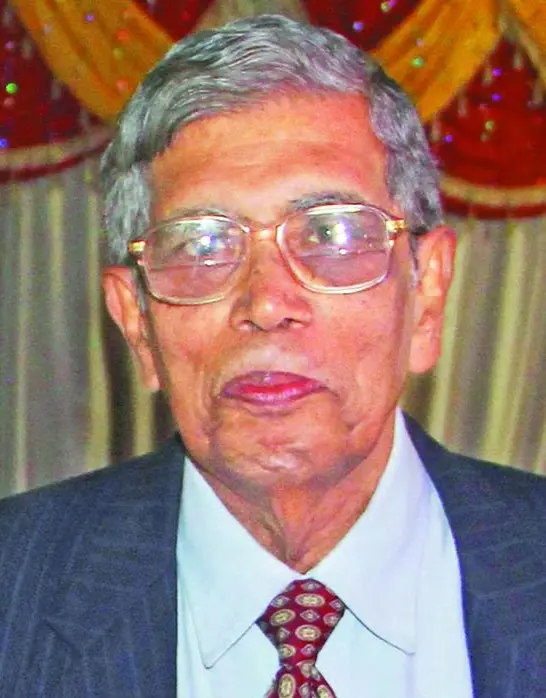
Ananthamurthy win the 30th Jnanpith Award in the year 1994. Ananthamurthy's works have been translated into several Indian and European languages and have been awarded with important literary prizes.
|
|
1993
|
|
Poet, literary critic, and former civil servant
|
Odisha
|
|
|
In 1994, Sitakant Mahapatra became the sixth Kannada writer to be honored with the 29th Jnanpith Award, the highest literary honour conferred in India. His several novels were made into films like Samskara, Bara, Avaste, Mouni, Sookha, Ghatashraddha and Diksha.
|
|
1992
|
|
Hindi poet, novelist, and playwright
|
Madhya Pradesh
|
|
|
Naresh Mehta win the 28th Jnanpith Award in year 1992.
|

|
1991
|
|
Poet, novelist, essayist, and journalist
|
West Bengal
|
|
|
Subhash honoured with 27th Jnanpith Award in 1991. e is also known as the "podatik kobi" ("foot-soldier poet") in the field of Bengali literature. A book of thirty of Subhash's best known poems in English translation, titled ' As Day is Breaking', was published in 2014 by Anjan Basu, a Bangalore-based writer/critic.
|
|
1990
|
|
Writer, poet, and professor
|
Karnataka
|
|
|
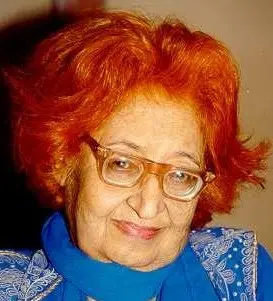
Vinayaka Krishna Gokak the fifth person to win the Jnanpith award from Karnataka. The main phase of his literary career and his life itself began in 1925 when he was swayed by the magnetic force of the towering figure of Kannada poetry D.R.Bendre, like many other young poets of his time.
|
|
1989
|
|
Novelist, short-story writer, academic, and journalist
|
Uttar Pradesh
|
|
|
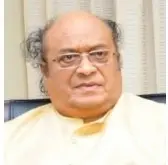
Qurratulain Popularly known as "Ainee Apa" among her friends and admirers. She received the 1967 Sahitya Akademi Award in Urdu for Patjhar Ki Awaz (short stories), 1989 Jnanpith Award for Akhire Shab Ke Humsafar.
|
|
1988
|
Prof. Cingireddy Narayana Reddy
|
Telugu poet, writer, lyricist, and academic
|
Telangana
|
|
|
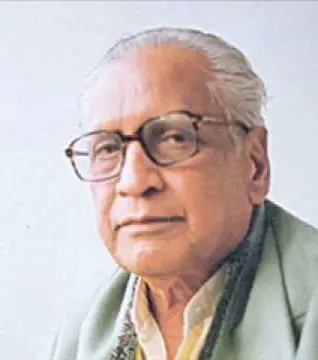
Reddy won several awards for his literary work which includes the Sahitya Akademi Award in 1973 for his poetry collection Mantalu Manavudu, the 24th Jnanpith Award for Viswambhara in 1988.
|
|
1987
|
Vishnu Vaman Shirwadkar alias Kusumagraj
|
Marathi poet, playwright, and novelist
|
Telangana
|
|
|
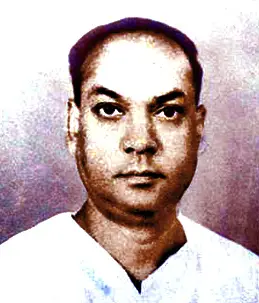
In 1987, Kusumagraj became the sixth Kannada writer to be honored with the 23rd Jnanpith Award, the highest literary honour conferred in India. He also served as the President of the Akhil Bharatiya Marathi Sahitya Sammelan held at Margao in 1964.
|
|
1986
|
|
Odia poet, novelist, and short-story writer
|
Odisha
|
|
|
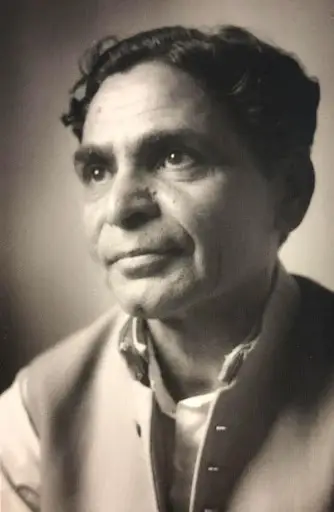
Mr. Routray, who was conferred the Padmashree in 1962, got the Kendriya Sahitya Akademi Award in 1964 and the Soviet Land Award in 1965. He was awarded the 22nd Jnanpith in 1986 for his contribution towards the growth of modern Oriya poetry.
|
|
1985
|
Pannalal Patel
|
Novelist and short-story writer
|
Gujarat
|
|
|
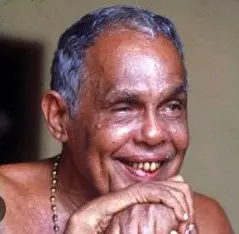
He received Ranjitram Suvarna Chandrak in 1950 and 21st Jnanpith Award in 1985. He was the second writer from Gujarati language after Umashankar Joshi in 1967, to receive the Jnanpith Award. In 1986, he received Sahitya Gaurav Puraskar.
|
|
1984
|
|
Novelist and short-story writer
|
Kerala
|
|
|
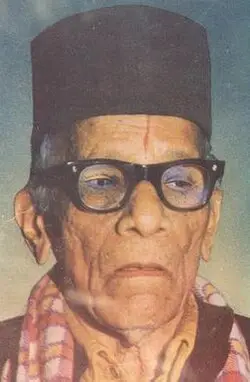
Novelist Thakazhi Sivasankara Pillai gets most coveted literary laurel 20th Jnanpith Award for 1984. Thakazhi's entire literary journey has been as a chronicler of the social struggles and sorrows of the lower classes in his native Kerala. But there is a stark and stunning universality in his protagonists, be they peasants or poachers. From his most famous Chemmeen (The Shrimp) to the most recent Kayar (Coir), each of his 35 novels and 500 short stories bears testimony to this.
|
|
1983
|
|
Writer, civil servant, and professor
|
Karnataka
|
|
|
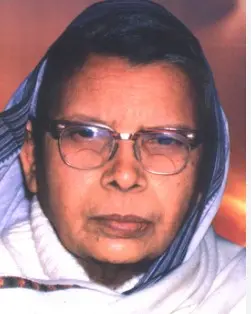
Masti Iyengar, who received the 19th Jnanpith Award in 1983, belonged to the generation which shaped the Renaisance in Kannada. Poet, dramatist and critic, he is regarded as the father of the Kannada short story. Both his historical novels, Channabasava Nayaka and Chikaveera Rajendra are great works. His novels are a study of a kingdom in decline.
|
|
1982
|
|
Hindi poet, essayist, and short-story writer
|
Uttar Pradesh
|
|
|
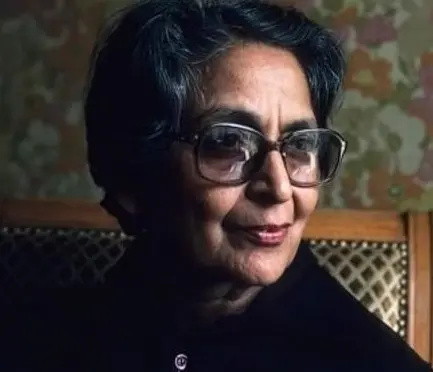
Mahadevi Varma, the celebrated Hindi poet and pioneer of the Chhayavad movement, won the prestigious 18th Jnanpith Award in 1982. She was awarded India's highest literary honor for her outstanding collection of poetry titled Yama. She was Known as the "Modern Meera" (Adhunik Meera), her work frequently highlighted women's rights and inner emotional struggles.
|
|
1981
|
|
Novelist, poet, and essayist
|
Punjab
|
|
|
Amrita Pritam received the 17th Jnanpith Award, one of India's highest literary awards, in 1982 for Kagaz Te Canvas ("The Paper and the Canvas"). She was awarded the Padma Shri in 1969, and the Padma Vibhushan, India's second highest civilian award, in 2004.
|
|
1980
|
|
Novelist, travel writer, and politician
|
Kerala
|
|
|
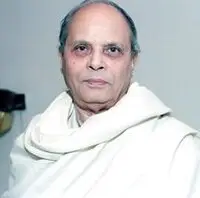
Sankarankutty Kunjiraman Pottekkatt is a recipient of Kerala Sahitya Akademi Award for Novel, Sahitya Akademi Award and the 16th Jnanpith Award. His works have been translated into English, Italian, Russian, German and Czech, besides all major Indian languages.
|
|
1979
|
Birendra Kumar Bhattacharya
|
Novelist, journalist, and educator
|
Assam
|
|
|
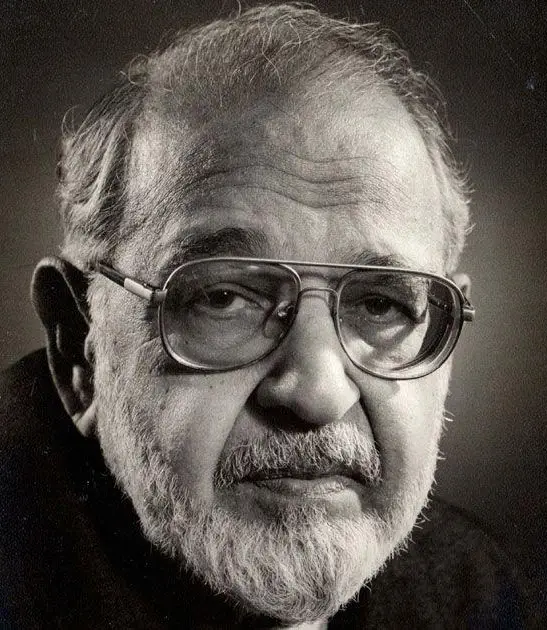
Birendra recived 15th Jnanpith Award in 1979. He was the President of Asam Sahitya Sabha (Assam Literary Society) during 1983–1985. In 1997, Bhattacharyya died due to a brief illness at the private college hospital in Guwahati.
|
|
1978
|
Sachchidananda Hirananda Vatsyayan "Agyeya"
|
Novelist, poet, journalist, literary critic and translator
|
Delhi
|
|
|
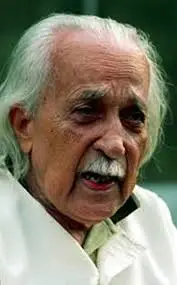
Agyeya was awarded the Sahitya Akademi Award in 1964 for his collection of poems Angan Ke Par Dwar, and the 14th Jnanpith Award in 1978 for Kitni Naavon Mein Kitni Baar. He was also awarded the Bharatbharati Award and the Golden Wreath Award for poetry in 1983.
|
|
1977
|
|
Novelist, playwright, environmentalist and Yakshagana artist
|
Karnataka
|
|
|
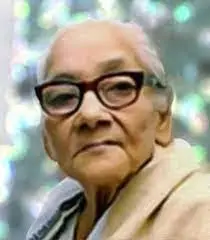
Kota Shivarama Karanth was the third writer to be decorated with the 13th Jnanpith Award for Kannada, the highest literary honor conferred in India. His son Ullas, is an ecological conservationist.
|
|
1976
|
Ashapurna Devi
|
Novelist and poet
|
West Bengal
|
|
|
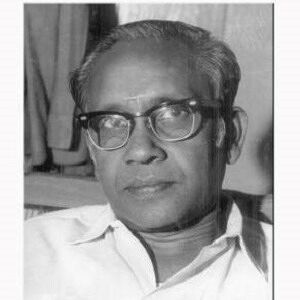
In 1976, Ashapurna Devi was awarded the 12th Jnanpith Award and Padma Shri by the Government of India, for the novel Prothom Protishruti.
|
|
1975
|
P.V. Akilandam
|
Novelist, short-story writer and social activist
|
Tamil Nadu
|
|
|
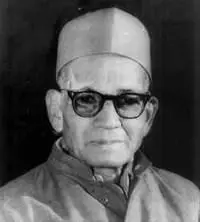
P.V. Akilandam was awarded the Sahitya Academy Award and the 11th Jnanpith Award by the Government of India for his novels Vengayin Mainthan and Chitra Pavai in 1963 and 1975 respectively.
|
|
1974
|
Vishnu Sakharam Khandekar
|
Novelist, short-story writer and essayist
|
Maharashtra
|
|
|
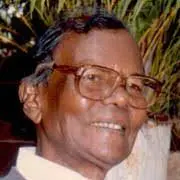
Khandekar's novel Yayāti (ययाति) received three prestigious awards: A Maharashtra State Award in 1960, a Sahitya Akademi Award in 1960, and 10th Jnanpith Award in 1974.
|
|
1973
|
|
Novelist and civil servant
|
Odisha
|
|
|
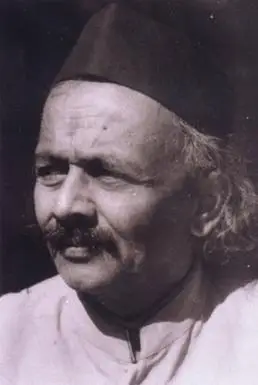
Gopinath Mohanty was awarded the 9th Jnanpith Award in 1973 for his epic 'Mati Matala' (Fertile Soil).
|
|
1973
|
Dattātreya Rāmachandra Bēndre
|
Poet and teacher
|
Karnataka
|
|
|
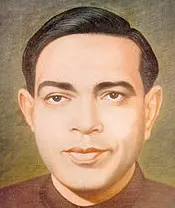
D. R. Bendre (Dattatreya Ramachandra Bendre) was awarded India's highest literary honor, the 9th Jnanpith Award, in 1973. He received the prestigious accolade for his acclaimed 1964 poetry collection Naaku Tanti (meaning "Four Strings").
|
|
1972
|
|
Poet, essayist, freedom fighter and politician
|
Bihar
|
|
|
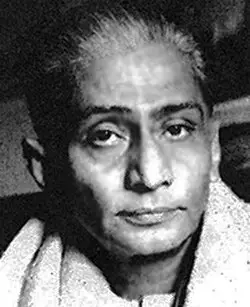
Ramdhari Singh Dinkar, the celebrated Hindi poet and 'Rashtrakavi', received the prestigious 8th Jnanpith Award in 1972. He was honored with India's highest literary award for his notable 1961 poetic drama, "Urvashi".
|
|
1971
|
|
Poet, essayist and academic
|
West Bengal
|
|
|
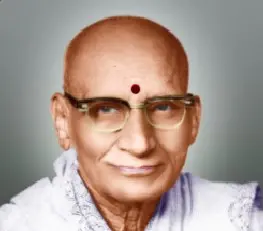
The eminent Bengali poet Bishnu Dey was awarded the prestigious 7th Jnanpith Award in 1971 for his outstanding contribution to Indian literature. He received this honor specifically for his celebrated poetry collection Smriti Satta Bhabishyat (Memory, the Being, the Future).
|
|
1970
|
Dr. Viswanatha Satyanarayana
|
Poet, novelist and playwright
|
Andhra Pradesh
|
|
|
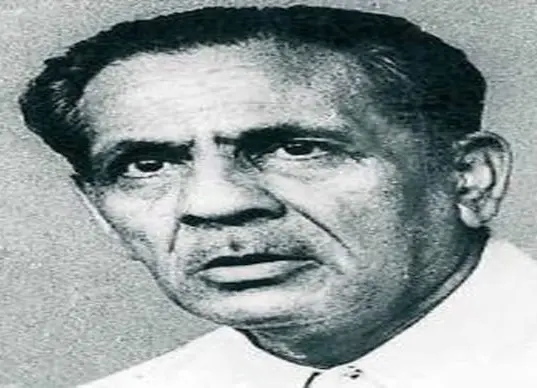
Viswanatha Satyanarayana was awarded the prestigious 6th Jnanpith Award in 1970 for his magnum opus, Ramayana Kalpavrukshamu (A Wish-Fulfilling Divine Tree). This made him the very first Telugu writer to receive India's highest literary honor.
|
|
1969
|
Raghupati Sahai \'Firaq\'
|
Poet, literary critic and scholar
|
Uttar Pradesh
|
|
|
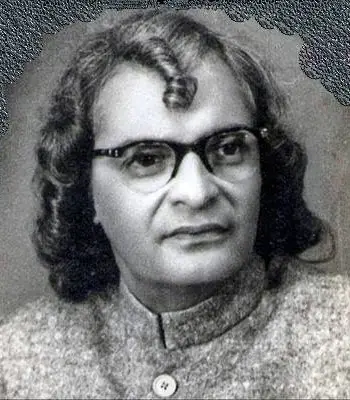
Firaq Gorakhpuri (born Raghupati Sahay) received the prestigious 5thth Jnanpith Award in 1969. He was the very first writer to be awarded the honor for Urdu literature. He won the award for his magnum opus, Gul-e-Naghma.
|
|
1968
|
|
Poet
|
Uttar Pradesh
|
|
|
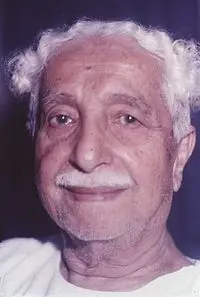
Sumitranandan Pant was the first Hindi writer to receive the 4thth prestigious Jnanpith Award, awarded to him in 1968 for his outstanding poetry collection, Chidambara.
|
|
1967
|
|
Poet, novelist, playwright and critic
|
Karnataka
|
|
|
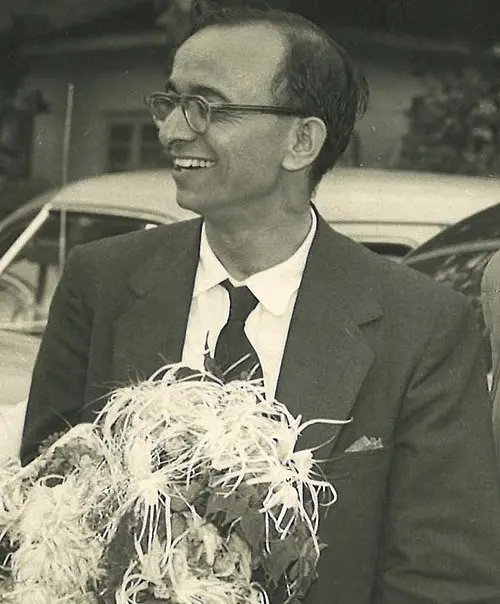
Kuppalli Venkatappa Puttappa, widely known by his pen name Kuvempu, was the first Kannada writer to receive the prestigious 3rd Jnanpith Award in 1967. He was awarded India's highest literary honor for his magnum opus, Sri Ramayana Darshanam, a modern, humanist retelling of the epic Ramayana.
|
|
1967
|
|
Poet, playwright, critic and academic
|
Gujarat
|
|
|
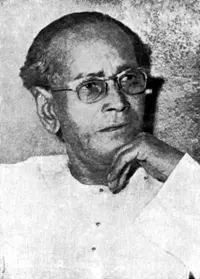
Gujarati poet and scholar Umashankar Joshi received the prestigious 3rd Jnanpith Award in 1967. He was awarded the country’s highest literary honor for his celebrated poetry collection, Nishith. He shared the prestigious award that year with the eminent Kannada writer K.V. Puttappa.
|
|
1966
|
|
Novelist
|
West Bengal
|
|
|
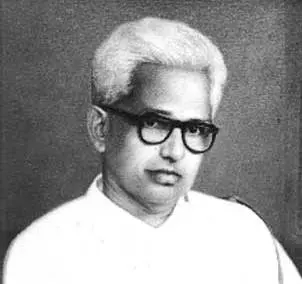
Tarasankar Bandyopadhyay, the eminent Bengali novelist, was awarded the prestigious 2nd Jnanpith Award in 1966. He received this honor, India's highest literary award, for his masterpiece Ganadevata, a regional novel that vividly portrays the socio-economic and cultural changes in rural India.
|
|
1965
|
Govinda Kurup Shankara Kurup
|
Poet, essayist and translator
|
Kerala
|
|
|
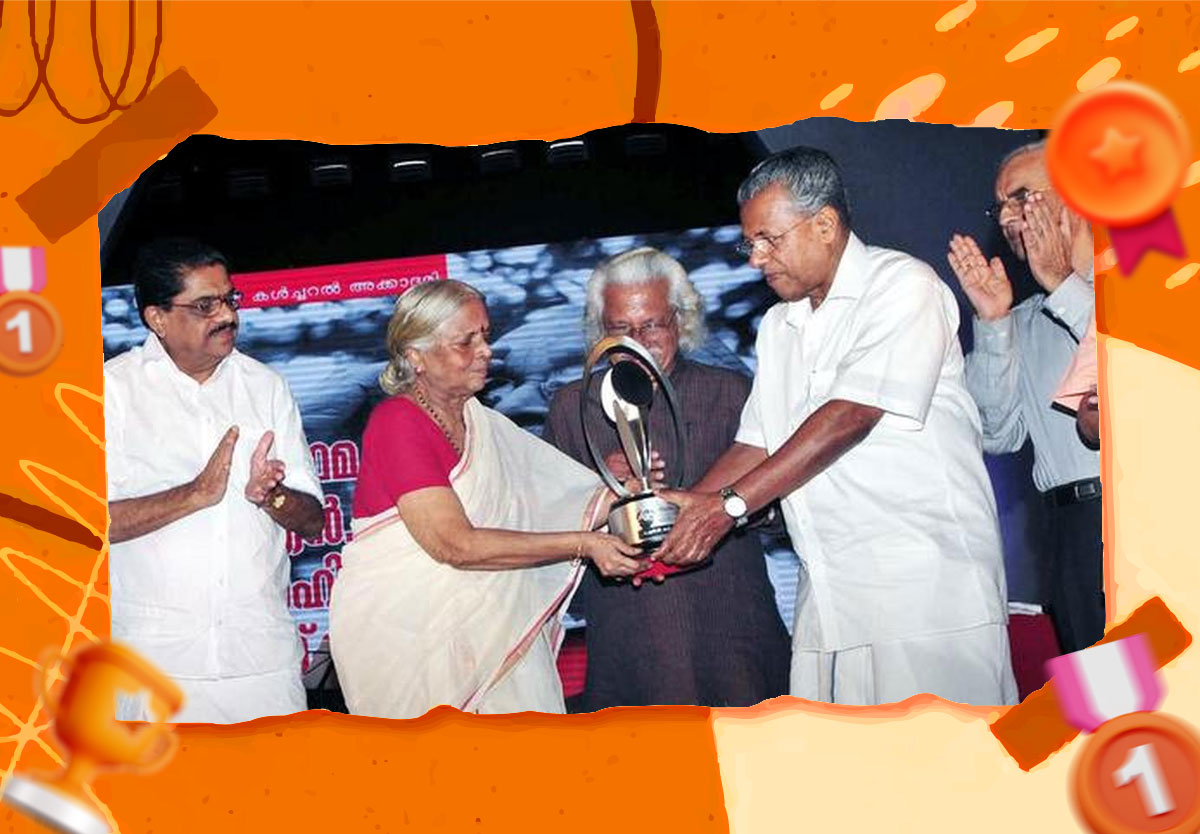
G. Sankara Kurup (Govinda Kurup Sankara Kurup) was a celebrated Malayalam poet and the historic first recipient of the Jnanpith Award in 1965. He was honored with India's highest literary award for his acclaimed 1950 poetry collection, Odakkuzhal (The Bamboo Flute).
|