|
2025
|
|
male
|
Writer, Dalit activist, politician
|
|
|
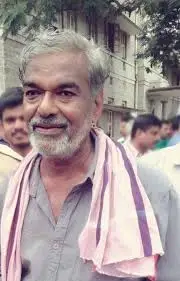
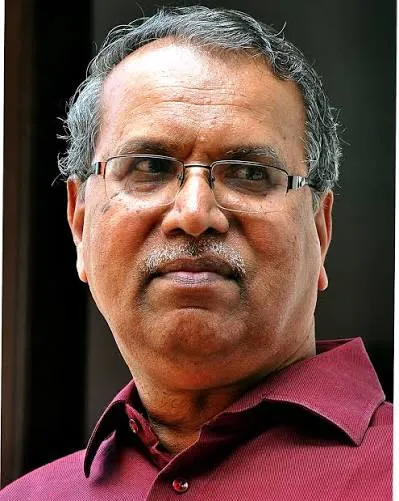
Kannada Dalit writer and activist from Devanur, Mysuru district. His novel Kusumabale won the Kendra Sahitya Akademi Award; he co-founded the Dalit Sangharsha Samiti and returned his Padma Shri in protest.
|
|
2024
|
B.A. Vivek Rai
|
male
|
Folklorist, scholar, vice-chancellor
|
|
|
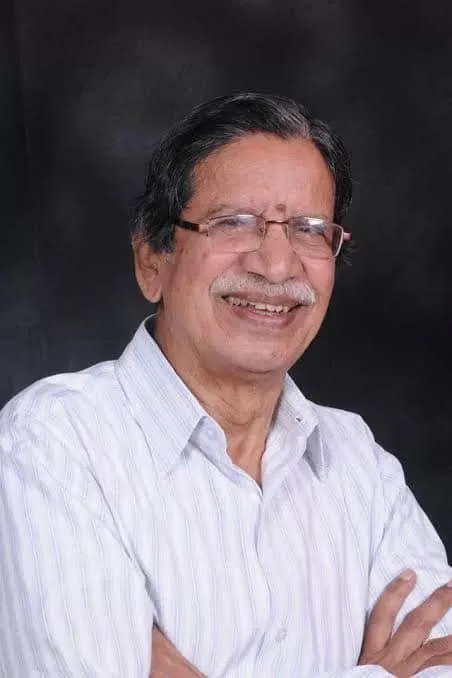
Kannada and Tulu folklorist from Puncha, Puttur, and longtime Mangalore University professor. He served as vice-chancellor of Kannada University, Hampi, and founding chairman of the Karnataka Tulu Sahitya Academy.
|
|
2023
|
Na D'Souza
|
male
|
Novelist, playwright, children's writer
|
|
|
Norbert D'Souza, Kannada novelist from Sagara, Shivamogga, who worked 37 years in the Public Works Department. His novels Dweepa and Kadina Benki became award-winning films; he presided the 2014 Sahitya Sammelana.
|
|
2022
|
Babu Krishnamurthy
|
male
|
Writer, journalist, editor
|
|
|
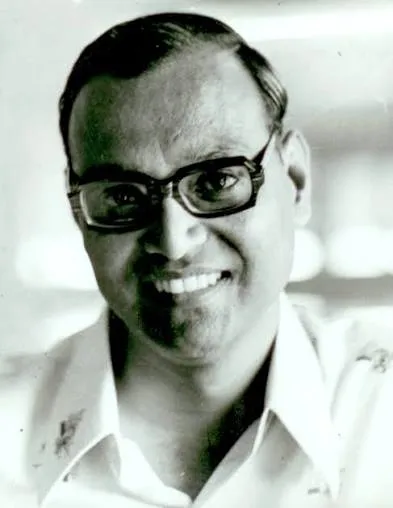
Kannada writer and journalist from Bengaluru who edited children's magazines Balamangala and Gilivindi. His research-based novel Ajeya on Chandrashekhar Azad is a bestseller; he also wrote on Bhagat Singh.
|
|
2021
|
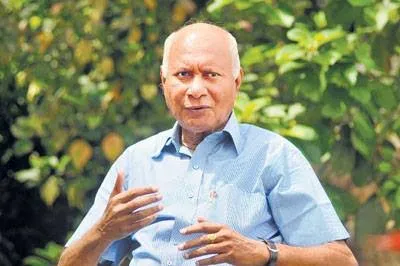
S.R.Ramaswamy
|
male
|
Writer, journalist, editor, environmentalist
|
|
|
Kannada writer, journalist and environmental activist from Bengaluru who edited the monthly Utthana and Rashtrotthana Sahitya. A close associate of D. V. Gundappa, he authored over fifty books.
|
|
2020
|
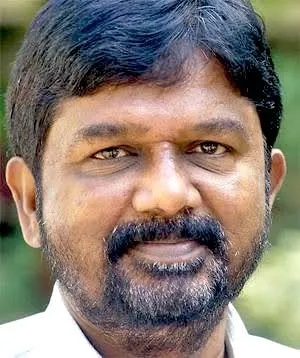
C. P. Krishnakumar
|
male
|
Poet, critic, professor, translator
|
|
|
Kannada poet, critic, folklorist and translator from Mysuru district who directed Mysore University's Institute of Kannada Studies. He has published over a hundred works and presided the 2011 Sahitya Sammelana.
|
|
2019
|
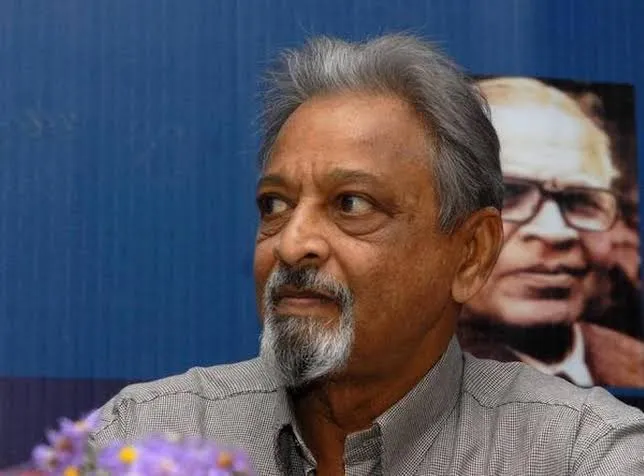
Siddalingaiah
|
male
|
Poet, playwright, Dalit activist, legislator
|
|
|
Pioneer of Kannada Dalit poetry from Magadi, Ramanagara, and co-founder of the Dalit Sangharsha Samiti. A Bangalore University professor and two-term MLC, he wrote the autobiography Ooru Keri.
|
|
2018
|
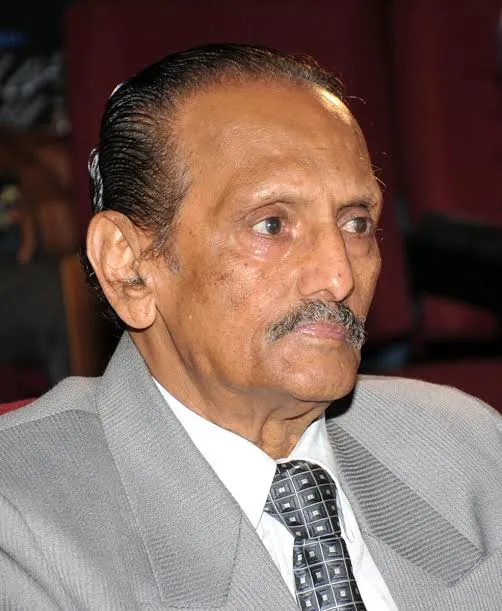
S. Shettar
|
male
|
Historian, archaeologist, professor
|
|
|
Shadakshari Settar, historian and archaeologist from Ballari district who taught at Karnatak University. He chaired the Indian Council of Historical Research and wrote on Jainism, death rituals and classical Kannada.
|
|
2017
|
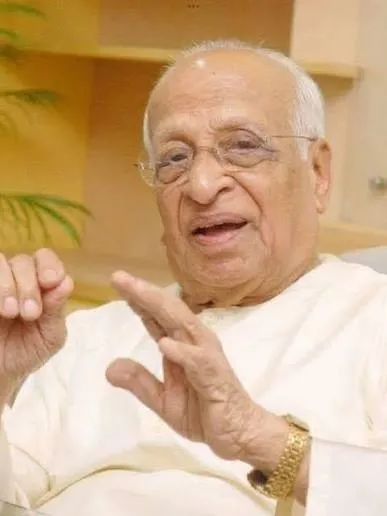
K. S. Nissar Ahmed
|
male
|
Poet, geologist, lecturer
|
|
|
Kannada poet from Devanahalli who taught geology. Known for the popular Nityotsava lyric celebrating Karnataka, he pioneered recorded Kannada light music and received the Padma Shri. He also chaired the Karnataka Sahitya Academy.
|
|
2016
|
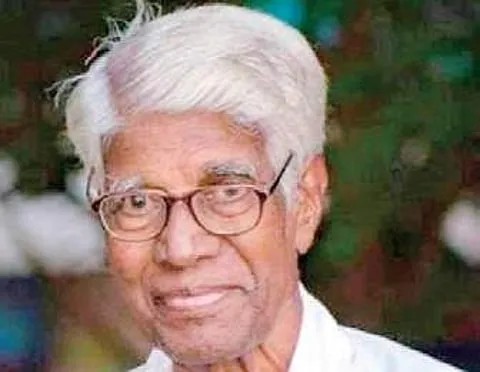
Hampanā
|
male
|
Scholar, professor, Jainologist
|
|
|
Hampa Nagarajaiah, Kannada scholar and Jainologist from Hampasandra, Chikkaballapura. A Bangalore University professor and three-term Kannada Sahitya Parishat president, he wrote the epic Charu Vasantha. He has lectured on Jainism across Europe and America.
|
|
2015
|
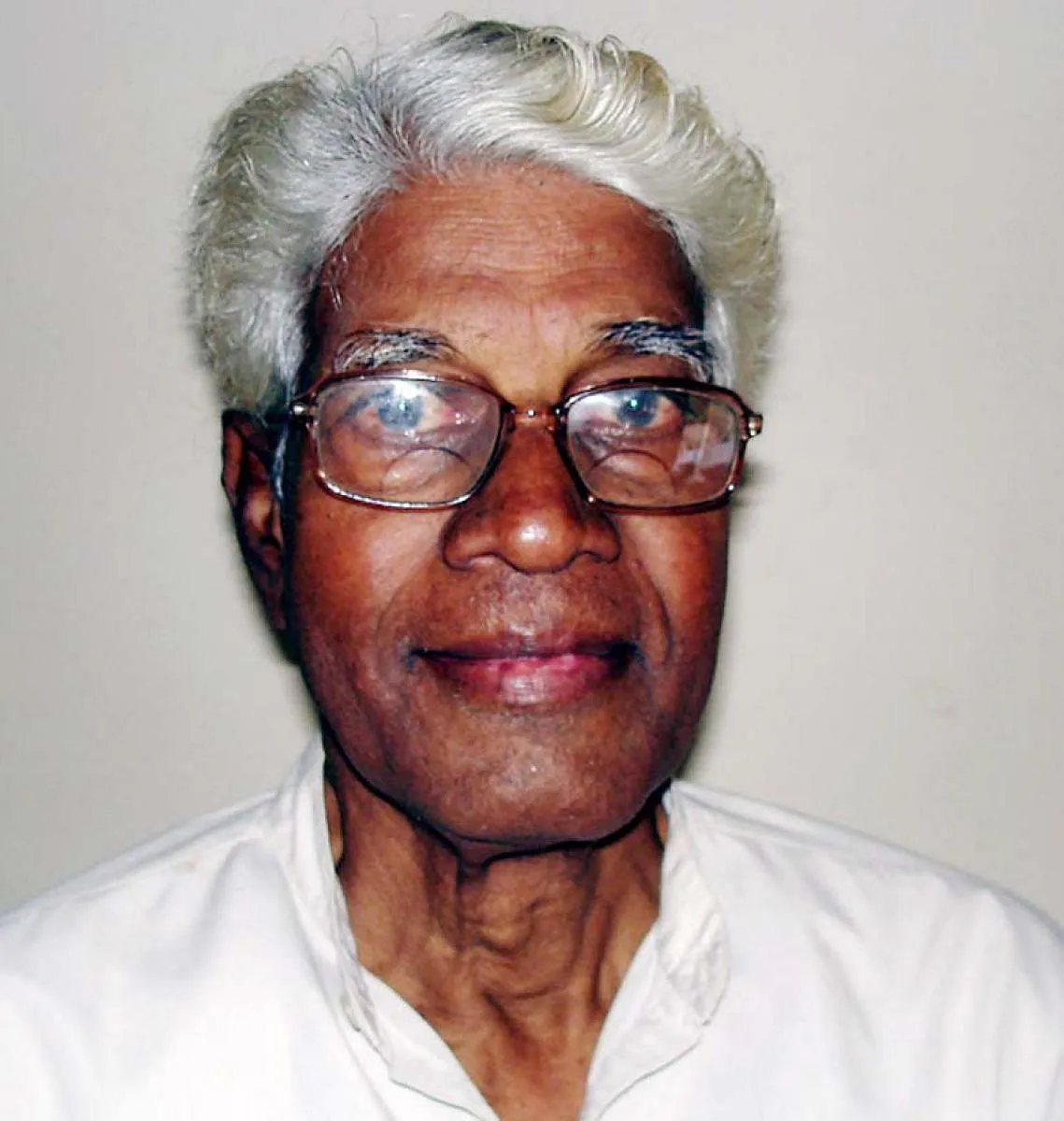
B. A. Sanadi
|
male
|
Poet, broadcaster, translator
|
|
|
Baba Saheb Ahmed Saheb Sanadi, Kannada poet from Shindolli, Belagavi, who worked for All India Radio, Mumbai. He bridged Kannada and Urdu literature through poetry, plays and translations.
|
|
2014
|
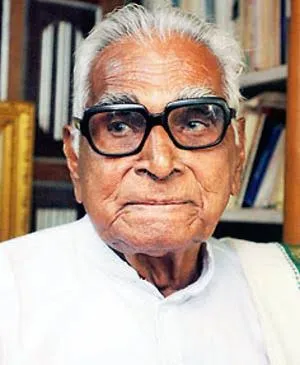
G. Venkatasubbiah
|
male
|
Lexicographer, grammarian, teacher
|
|
|
Kannada lexicographer and grammarian from Srirangapatna who compiled the Kannada Sahitya Parishat's great dictionary. He lived to 107, received the Padma Shri, and won the Pampa Award for lexicography.
|
|
2013
|
Kayyar Kinhanna Rai
|
male
|
Poet, freedom fighter, journalist, teacher
|
|
|
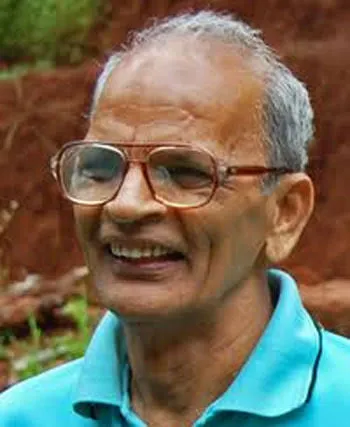
Kannada poet, freedom fighter, teacher and journalist from Kasaragod. A Gandhian, he campaigned for Kasaragod's merger with Karnataka and lived to 100, remaining a symbol of border Kannadigas.
|
|
2012
|
D. N. Shankara Bhat
|
male
|
Linguist, scholar
|
|
|
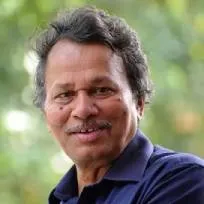
Internationally known Kannada linguist from Puttur who worked at Stanford, the Max Planck Institute and CIIL. He proposed the Ellara Kannada reform to simplify written Kannada. He authored over 150 papers and many books.
|
|
2011
|
Baraguru Ramachandrappa
|
male
|
Writer, film director, professor
|
|
|
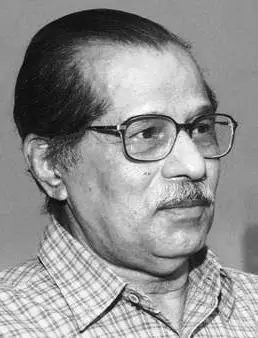
Kannada writer, filmmaker and Bandaya movement leader from Tumakuru district. A Bangalore University professor, he directed award-winning films and chaired the Kannada Development Authority. His novels and films focus on rural and social justice themes.
|
|
2010
|
Govindaray Hammanna Nayak
|
male
|
Literary critic, professor
|
|
|
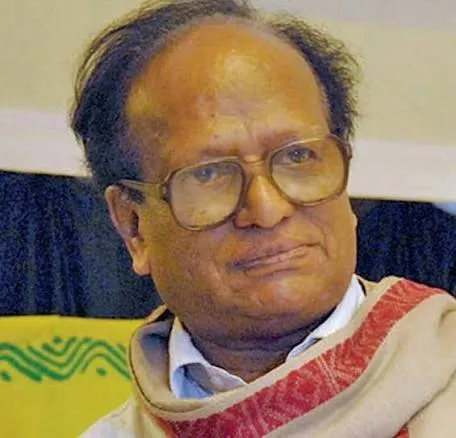
G. H. Nayak, incisive Kannada literary critic from Soorve, Ankola, and professor at the University of Mysore. His essays include Samakalina and Nirapekshe; he won the Kendra Sahitya Akademi Award.
|
|
2009
|
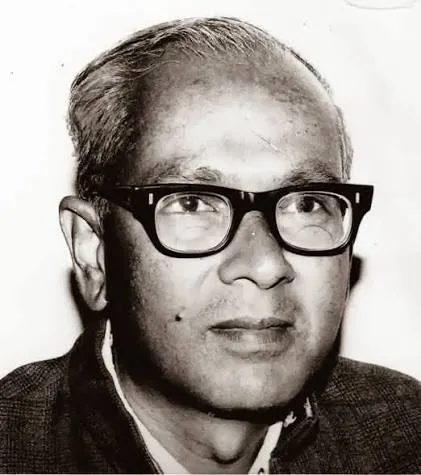
Chandrashekhar Patil
|
male
|
Poet, playwright, professor
|
|
|
Champa, Kannada poet, playwright and public intellectual from Hattimattur, Haveri. An English professor and editor of Sankramana, he returned his Pampa Award in 2015 to protest Kalburgi's murder.
|
|
2008
|
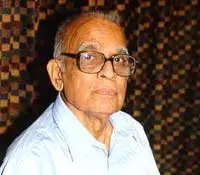
T. V. Venkatachala Sastry
|
male
|
Grammarian, scholar, lexicographer, editor
|
|
|
Kannada grammarian, prosody expert and editor from Kanakapura who taught at Osmania and Mysore universities. He has written over a hundred books; Sheldon Pollock called him the greatest living Old Kannada scholar.
|
|
2007
|
|
male
|
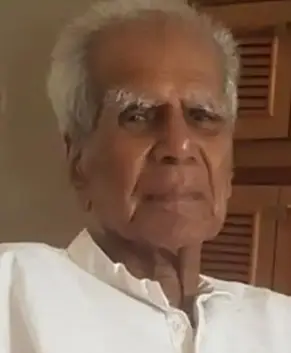
Fiction writer, chemist
|
|
|
Kannada fiction writer and polymer chemist from Hanehalli, Uttara Kannada, who lived in Mumbai. Noted for experimental narratives like Shikari, he won the Kendra Sahitya Akademi Award.
|
|
2006
|
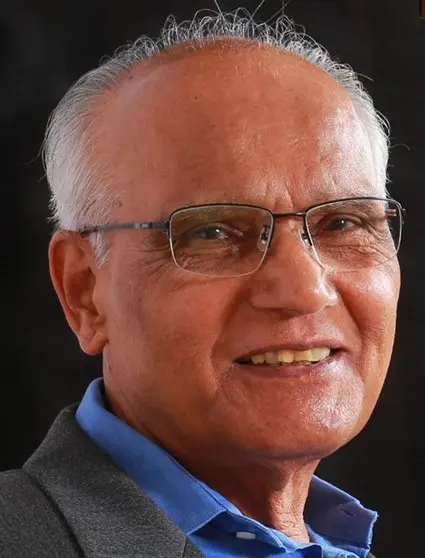
Gururaja Shyamacharya Amur
|
male
|
Literary critic, professor
|
|
|
Bilingual critic in Kannada and English from Dharwad district and a professor at several universities. His study of D. R. Bendre won the Kendra Sahitya Akademi Award.
|
|
2005
|
Santeshivara Lingannaiah Bhyrappa
|
male
|
Kannada novelist and philosopher
|
|
|
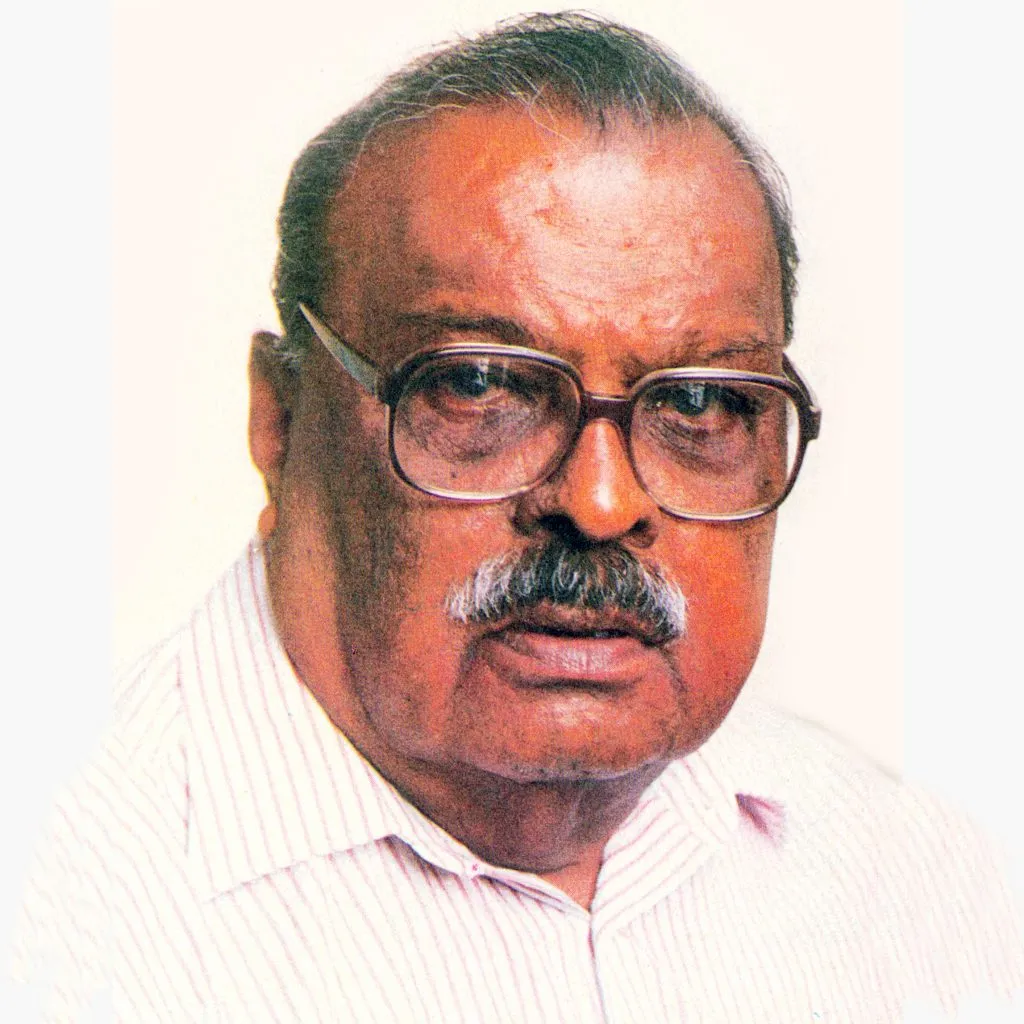
Among the most widely read Kannada novelists, known for philosophically rich, socially probing fiction such as "Vamshavruksha," "Parva," "Aavarana," and "Uttarakaanda," many adapted into acclaimed films. He authored 24 novels over five decades, exploring tradition, myth, and modernity. He received the Saraswati Samman 2010 for his novel "Mandra" (2001). He died in September 2025 at age 94.
|
|
2004
|
H. L. Nage Gowda
|
male
|
Folklorist, writer, IAS officer
|
|
|
Kannada folklorist and IAS officer from Mandya who founded Janapada Loka, a folk-culture museum near Ramanagara. He collected folk songs across Karnataka and served in the Legislative Council.
|
|
2003
|
Dr. Chandrashekhar B. Kambar
|
male
|
Poet, playwright, folklorist and film director
|
|
|
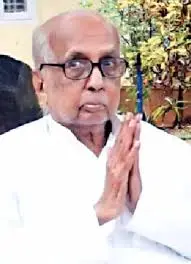
Chandrashekar Kambar awarded to 46th Jnanpith Award in 2010 and 8th for Kannada Language. His plays Jokumaraswamy and SangyaBalya have seen thousands of performances, not only in Kannada, but several other Indian languages as well. He is also recipient of Sahitya Akademi Award, Padma Shri, Pampa Award and Padma Bhushan etc.
|
|
2002
|
|
male
|
Scholar, historian, professor
|
|
|
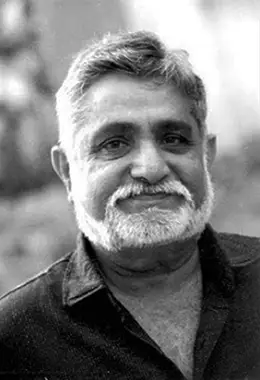
Kannada researcher and historian from Shimoga district, specialising in the history of Kannada language. He campaigned to protect Hampi's monuments and to win classical-language status for Kannada.
|
|
2001
|
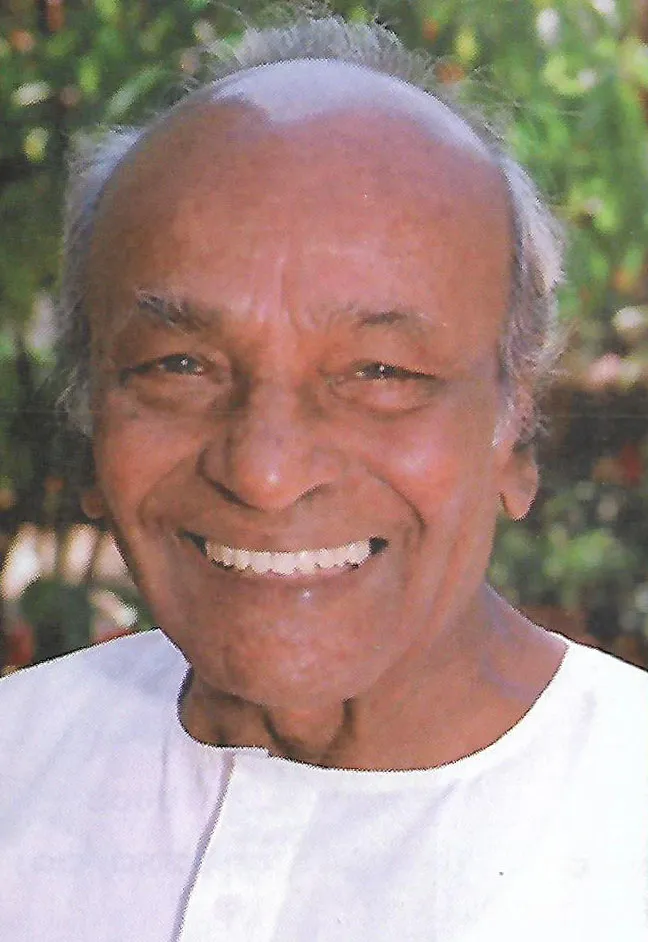
Kuppali Puttappa Poornachandra Tejaswi
|
male
|
Novelist, photographer, environmentalist
|
|
|
Kannada novelist, photographer and environmentalist, son of Kuvempu, who farmed coffee near Mudigere. A Navya-era leader, he wrote Karvalo, Chidambara Rahasya and Jugari Cross. His fiction is admired for humour, adventure and rural realism.
|
|
2000
|
L. Basavaraju
|
male
|
Scholar, textual critic, poet
|
|
|
Kannada scholar, textual critic and prosodist who edited Basavanna's and Allama's Vachanas. He authored over fifty-six works and began publishing poetry at seventy-five. His career in Kannada research spanned more than four decades.
|
|
1999
|
|
male
|
Poet, editor
|
|
|
Kannada poet from Hombal, Gadag, called Samanvaya Kavi for blending tradition and modernity. He headed Karnatak University's publications wing and won the Kendra Sahitya Akademi Award for Jeeva Dhwani.
|
|
1998
|
Javare Gowda
|
male
|
Writer, folklorist, vice-chancellor
|
|
|
Dejagou, Kannada writer and folklorist from Chakkere, Channapatna, and Mysore University vice-chancellor. He championed Kannada-medium education and wrote over thirty biographies; lived to one hundred. He also championed the Kannada language in public life.
|
|
1997
|
Guggari Shanthaveerappa Shivarudrappa
|
male
|
Poet, critic, professor
|
|
|
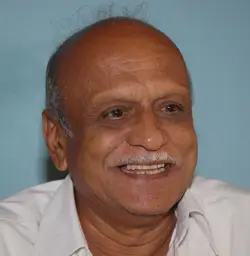
Kannada poet and critic from Shikaripura, Shivamogga, and longtime Bangalore University professor. Honoured as Rashtrakavi by Karnataka, his lyrical Bhavageete are widely sung; he won the Sahitya Akademi Award.
|
|
1996
|
Malleshappa Madivalappa Kalburgi
|
male
|
Scholar, epigraphist, vice-chancellor
|
|
|
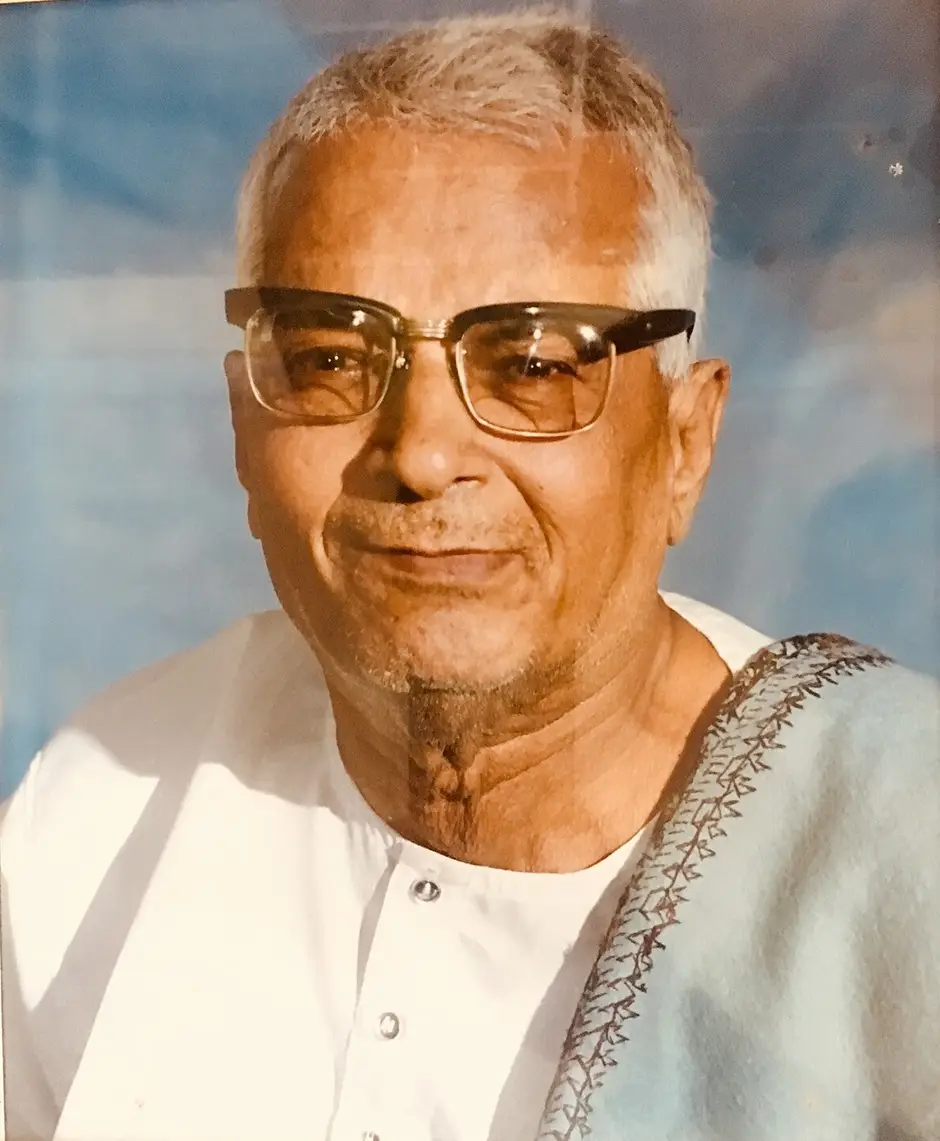
Kannada scholar and epigraphist from Yargal, Vijayapura, and vice-chancellor of Hampi University. An expert on Vachana literature, he was assassinated in Dharwad in 2015, sparking nationwide writers protests.
|
|
1995
|
Kikkeri Subbarao Narasimhaswamy
|
male
|
Poet
|
|
|
Beloved Kannada romantic poet from Kikkeri, Mandya. His Mysooru Mallige celebrated married love and became a classic; his collection Dundu Mallige won the Pampa Award. His verses are widely sung as Kannada light music.
|

|
1994
|
Sediyapu Krishna Bhatta
|
male
|
Scholar, grammarian, prosodist, writer
|
|
|
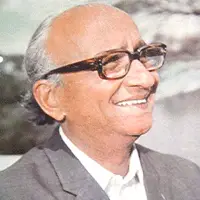
Kannada scholar, grammarian and prosody expert from Sediyapu, Puttur, who taught in Udupi. His Chandogati and essay collection Vichara Prapancha won acclaim; he also wrote poetry and stories.
|
|
1993
|
|
male
|
Poet, teacher, editor
|
|
|
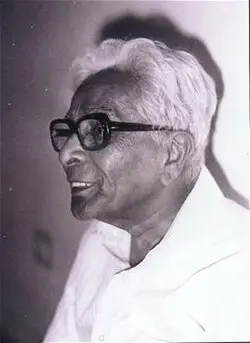
Father of the Navya (modernist) movement in Kannada poetry, from Mogeri, Udupi. A teacher and editor of Sakshi journal, his collections include Bhumigeeta and Suvarna Puthalli. He also contested elections to the Lok Sabha.
|
|
1992
|
Akkihebbalu Narasimha Murthy Rao
|
male
|
Essayist, critic, professor
|
|
|
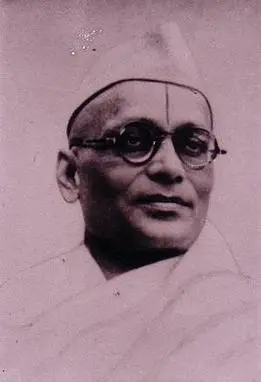
Kannada essayist and critic from Akkihebbalu, Mandya, who taught English and directed Karnataka's culture department. A pioneer of the personal essay, his work Devaru won the Pampa Award.
|
|
1991
|
Purohita Thirunarayanaiyengar Narasimhachar
|
male
|
Poet, playwright
|
|
|
Pu.Ti.Na., Kannada poet and playwright from Melukote, Mandya, celebrated for lyrical musical plays like Gokula Nirgamana. His epic Sri Haricharite won the Pampa Award; he received the Padma Shri.
|
|
1990
|
|
male
|
Scholar, poet, professor
|
|
|
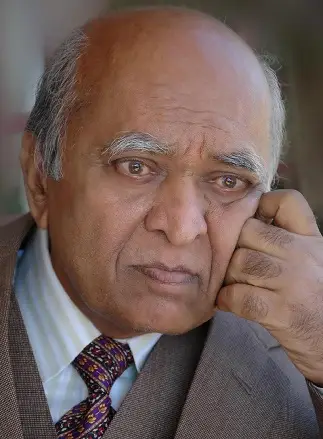
Kannada poet and Veerashaiva scholar known for his long study of the Vachana classic Shoonya Sampadane. He also composed the modern epic Bhavya Manava and taught Kannada at the university level.
|
|
1989
|
|
male
|
Novelist, playwright, environmentalist and Yakshagana artist
|
|
|
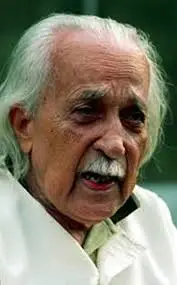
Kota Shivarama Karanth was the third writer to be decorated with the 13th Jnanpith Award for Kannada, the highest literary honor conferred in India. His son Ullas, is an ecological conservationist.
|
|
1988
|
T. N. Srikantaiah
|
male
|
Critic, poet, linguist, professor
|
|
|
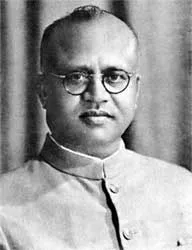
Kannada critic, poet and linguist from Teerthapura, Tumakuru, and professor at Mysore and Karnatak universities. His Bharatiya Kavya Mimamse was honoured posthumously with the 1988 Pampa Award.
|
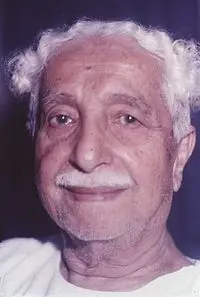
|
1987
|
|
male
|
Poet, novelist, playwright and critic
|
|
|
Kuppalli Venkatappa Puttappa, widely known by his pen name Kuvempu, was the first Kannada writer to receive the prestigious 3rd Jnanpith Award in 1967. He was awarded India's highest literary honor for his magnum opus, Sri Ramayana Darshanam, a modern, humanist retelling of the epic Ramayana.
|