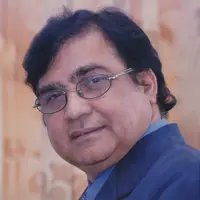
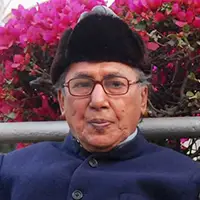
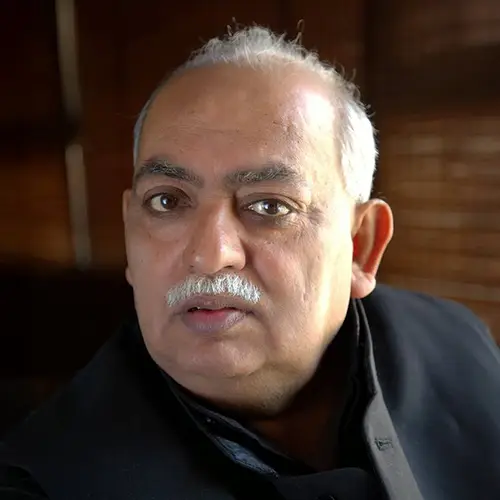

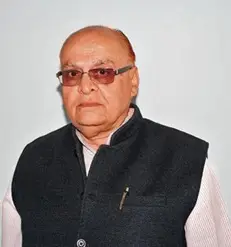
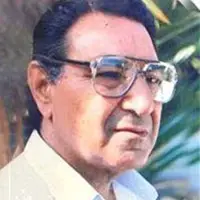
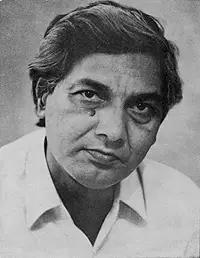
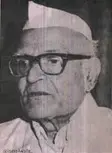
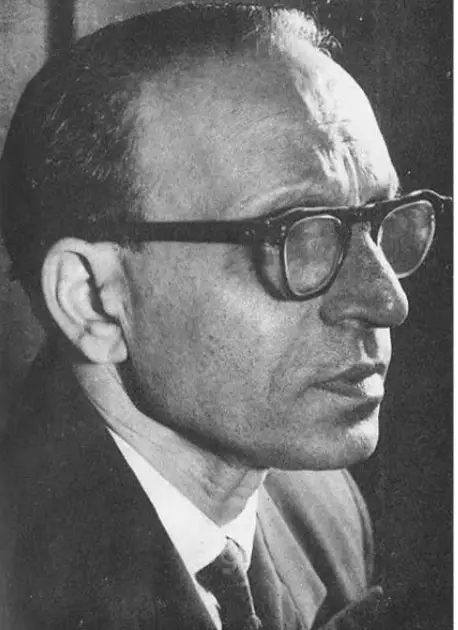
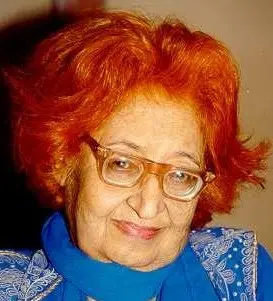
Sahitya Akademi Award in Urdu Overview
The Urdu Sahitya Akademi Award recognizes works known for their poetic elegance and rich prose traditions, often focusing on themes of love, philosophy, and social change.
List of Sahitya Akademi Award in Urdu Winners (1954-2026)
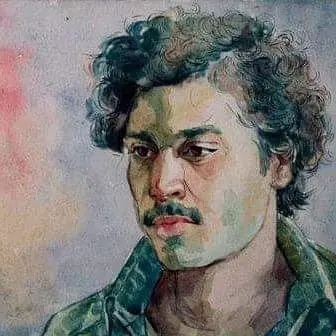
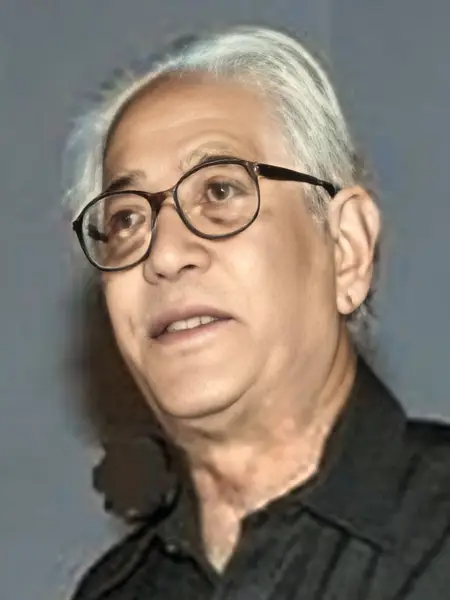
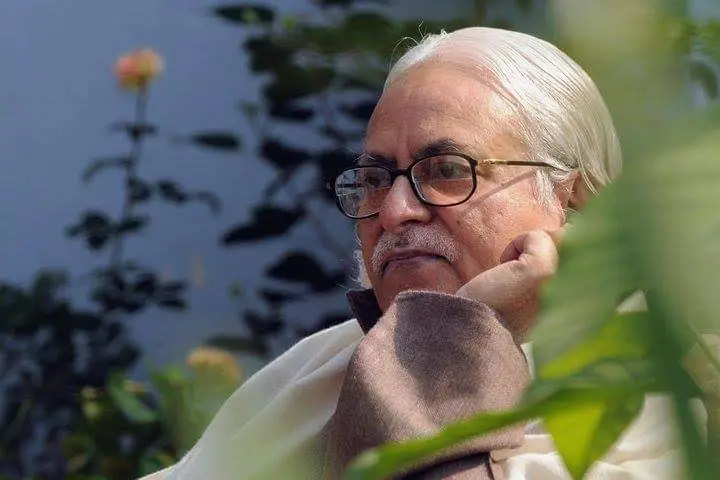
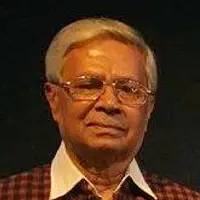
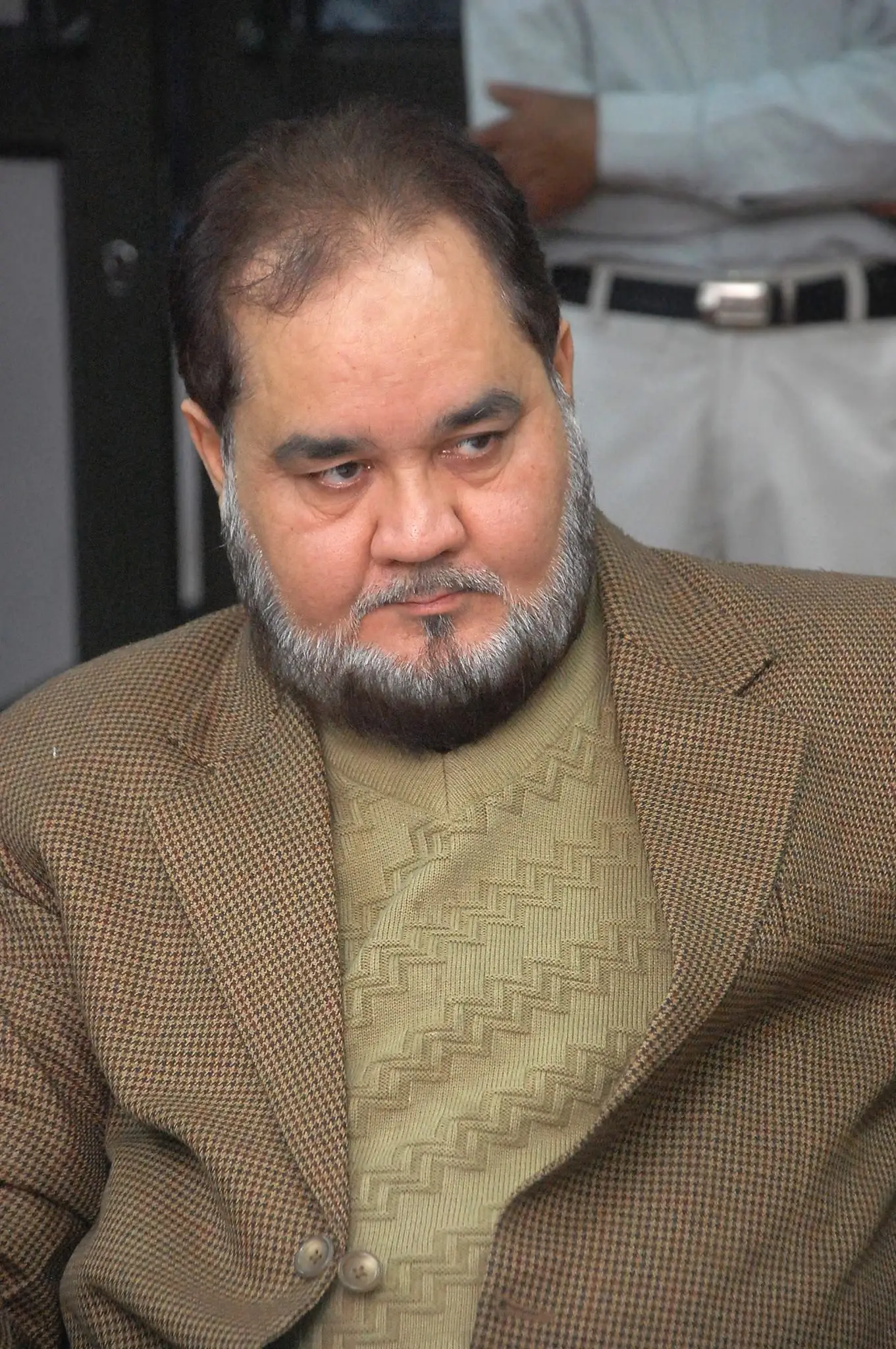
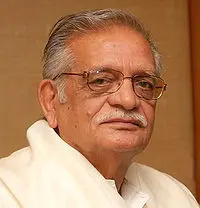
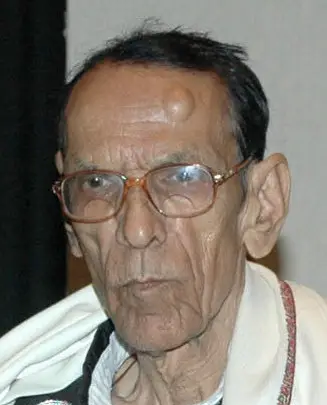
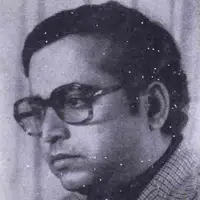
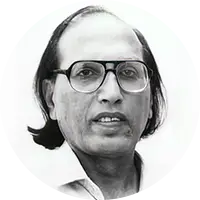
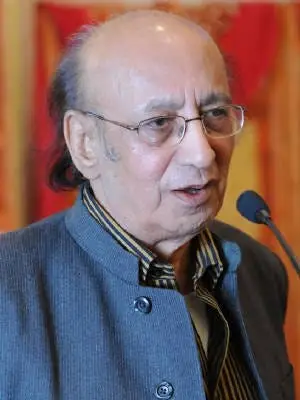
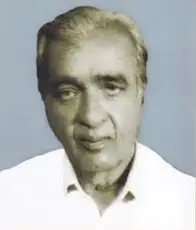
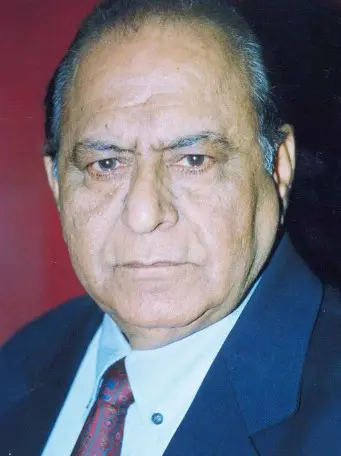
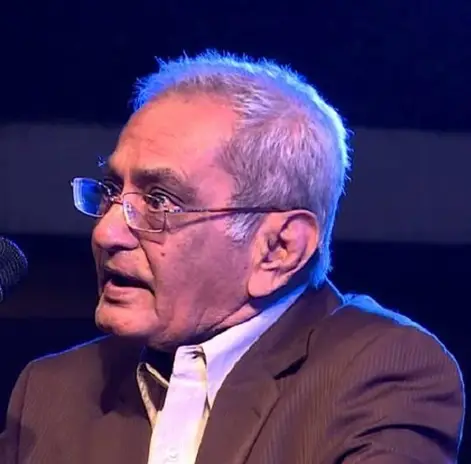
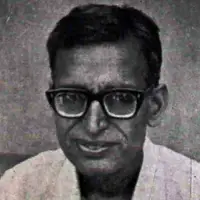
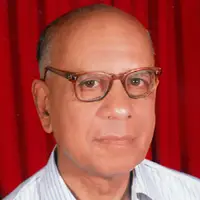
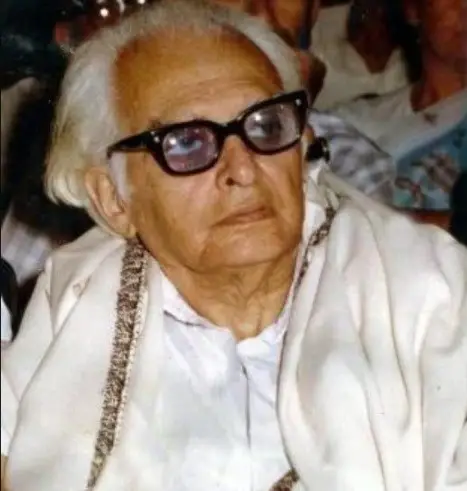
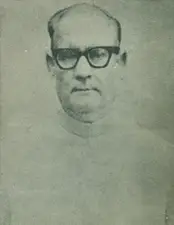
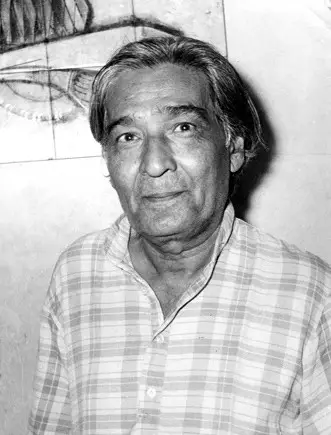
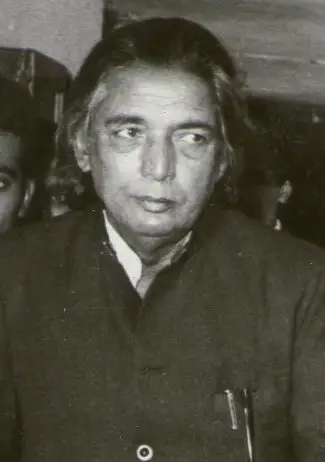
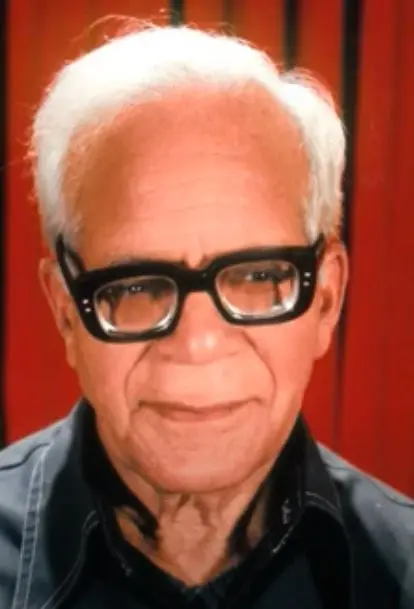
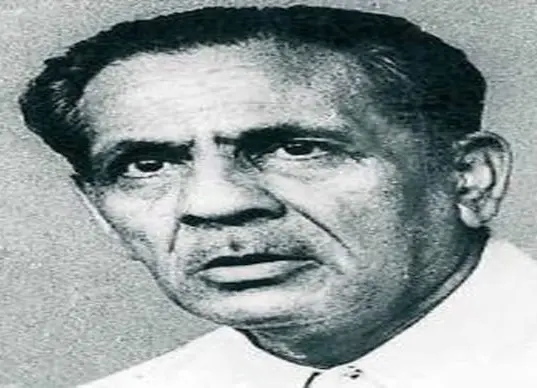
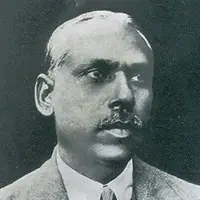
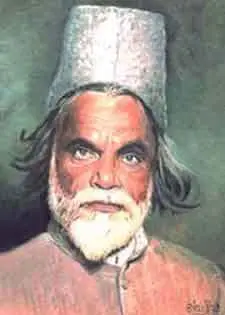
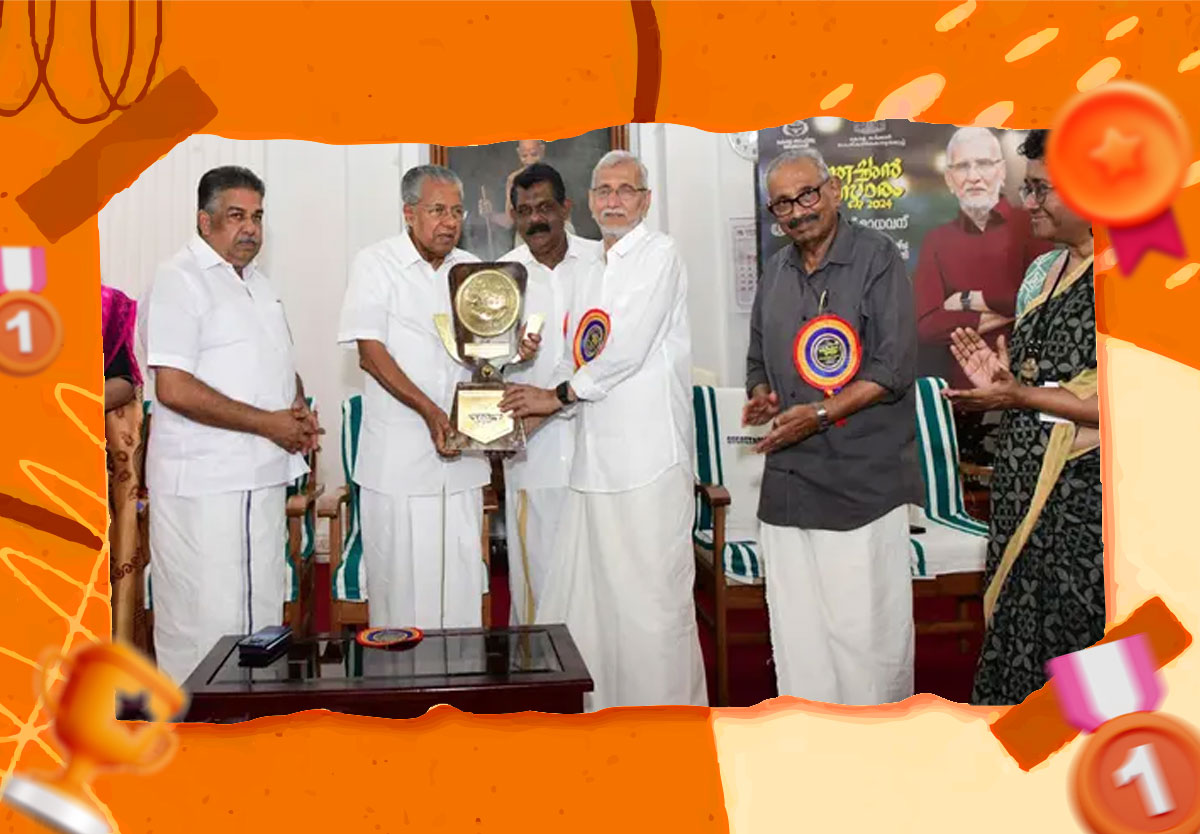
| Images | Year | Recipient Name | Book Name | Book Category | Language |
|---|---|---|---|---|---|
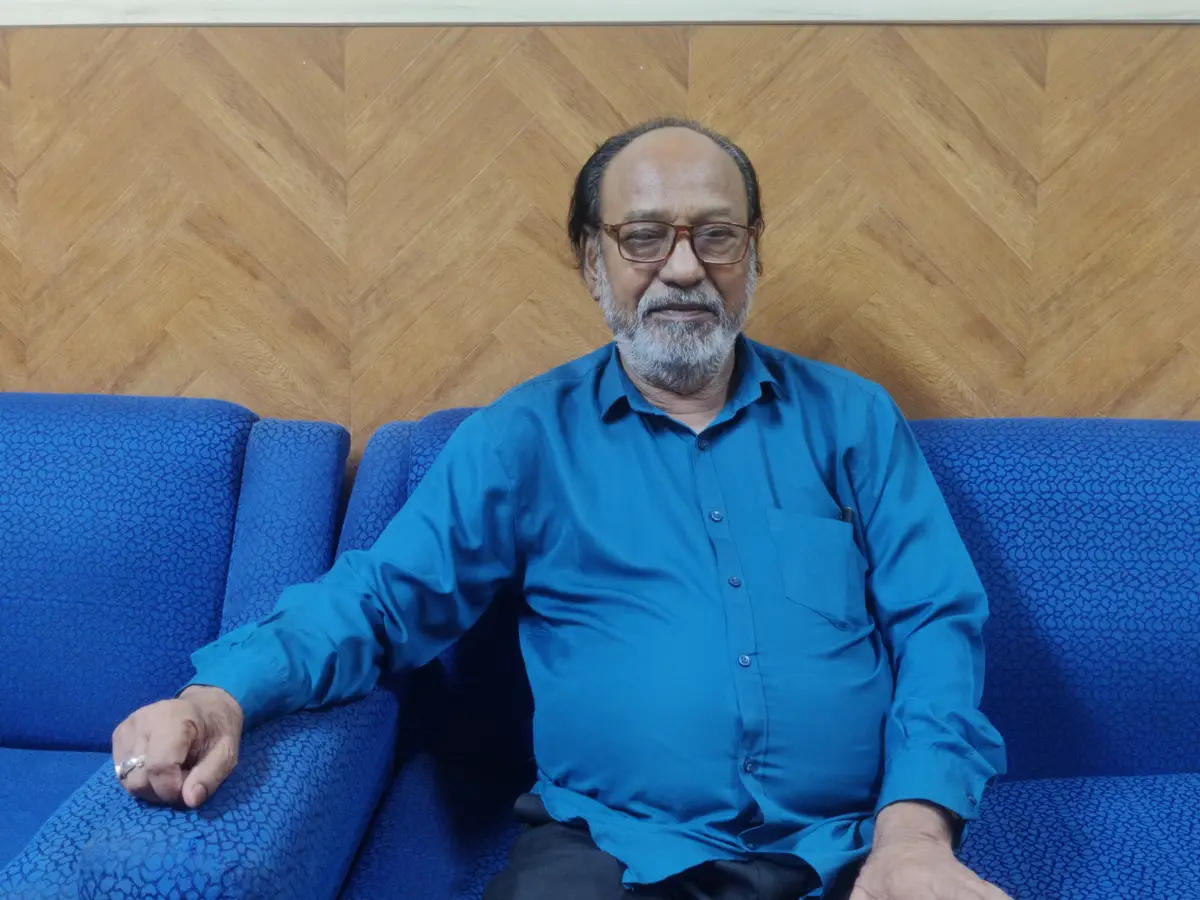
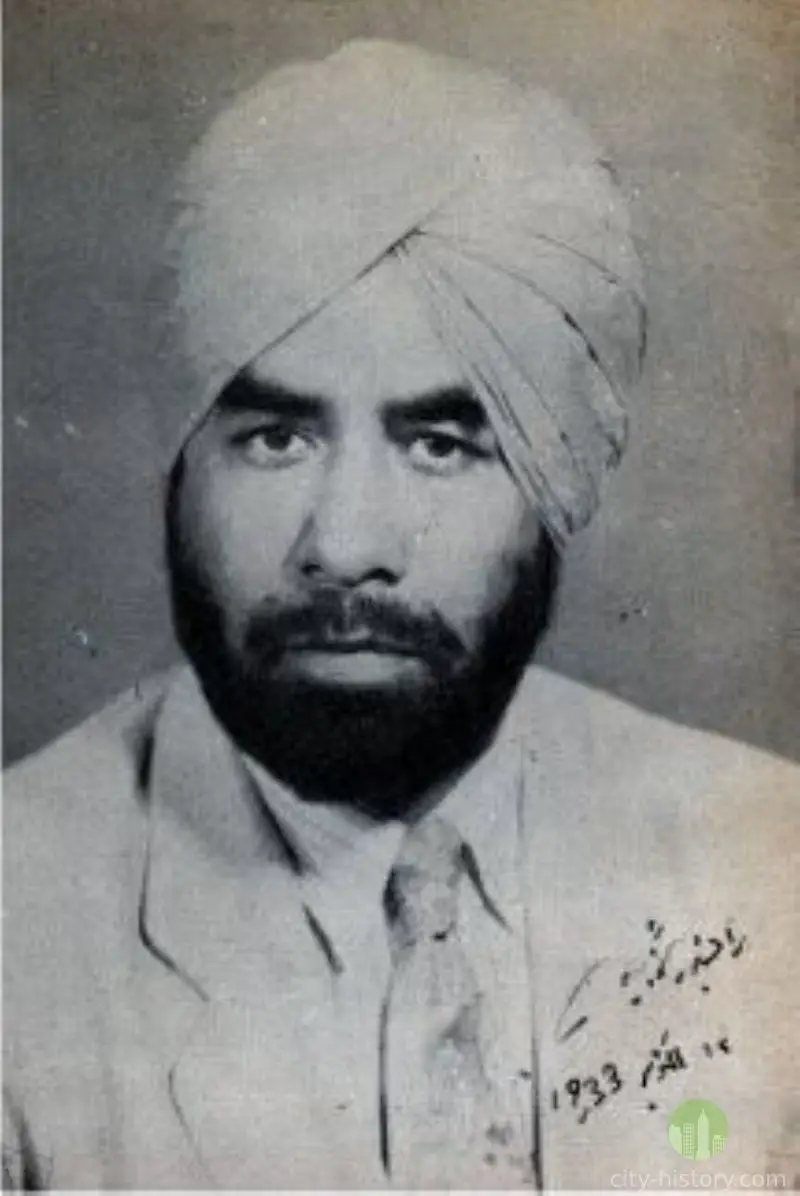
|
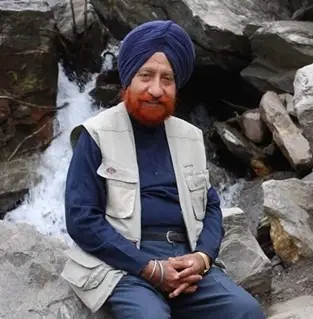
2025 | Pritpal Singh Betab | Safar Jaari Hai | Poetry | Urdu |
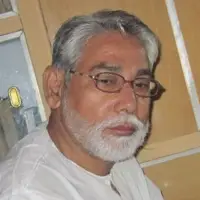
|
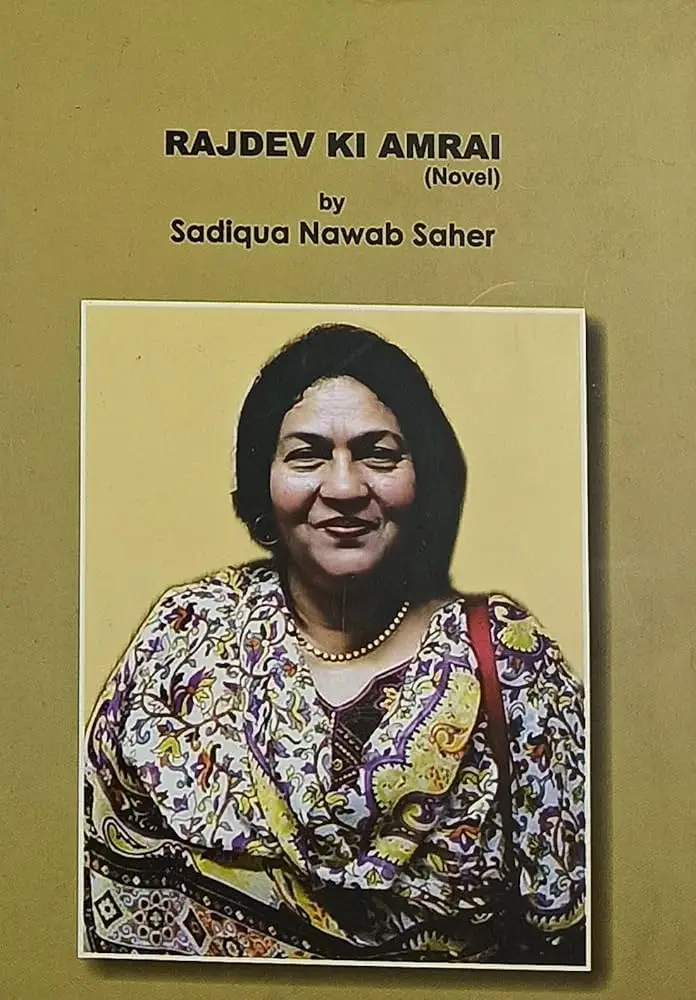
2023 | Sadiqua Nawab Saher | Rajdev Ki Amrai | Novel | Urdu |
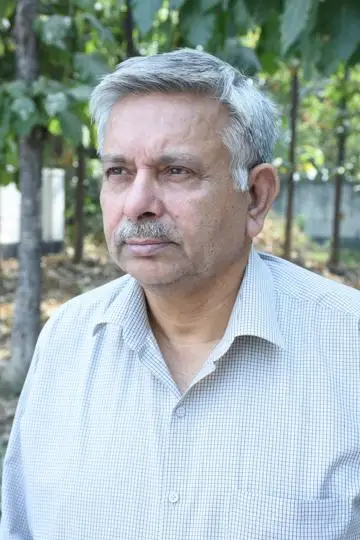
|
2022 | Anis Ashfaq | Khwab Saraab | Novel | Urdu |
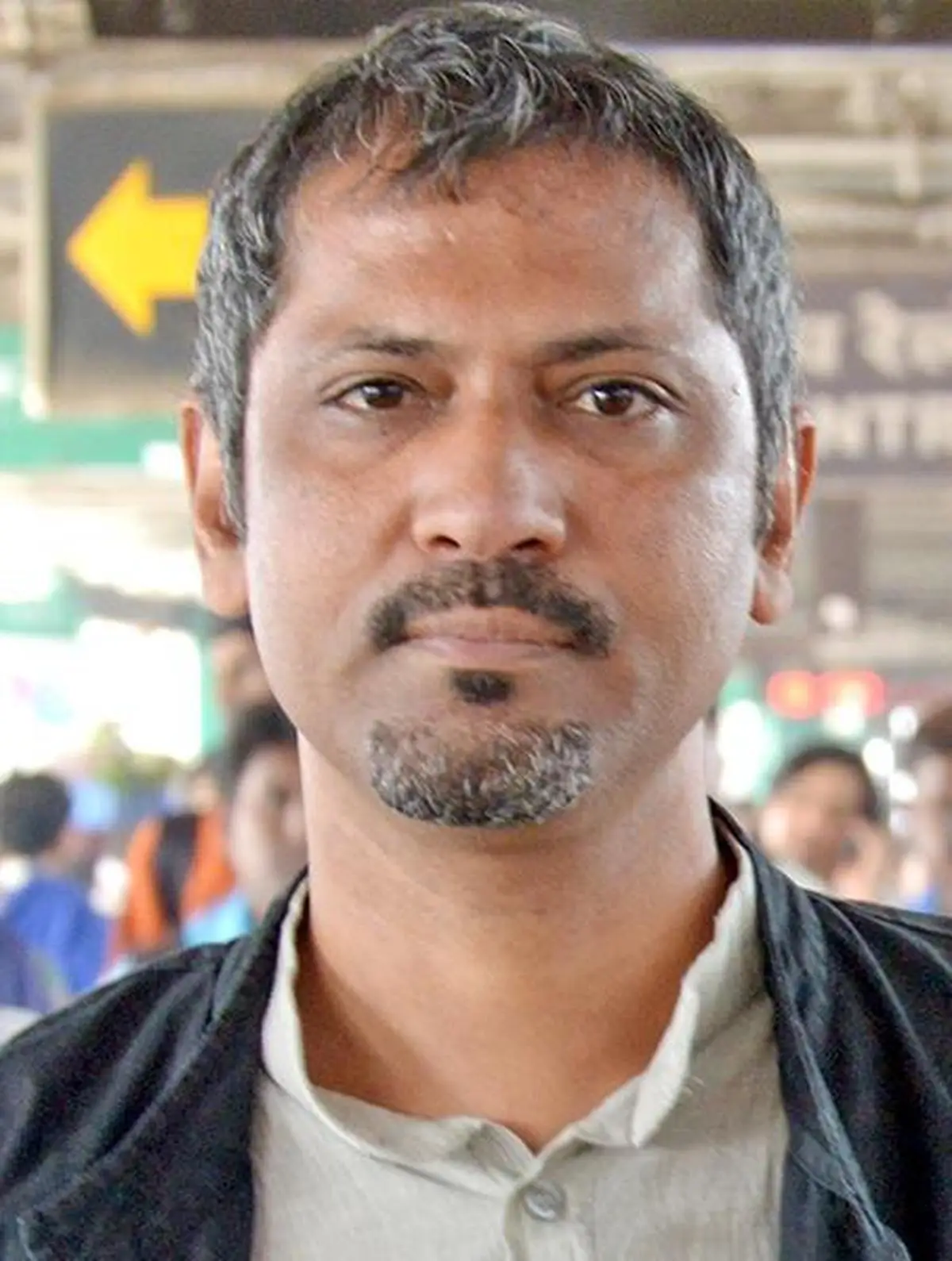
|
2021 | Chander Bhan Khayal | Taza Hawa Ki Tabishen | Poetry | Urdu |
|
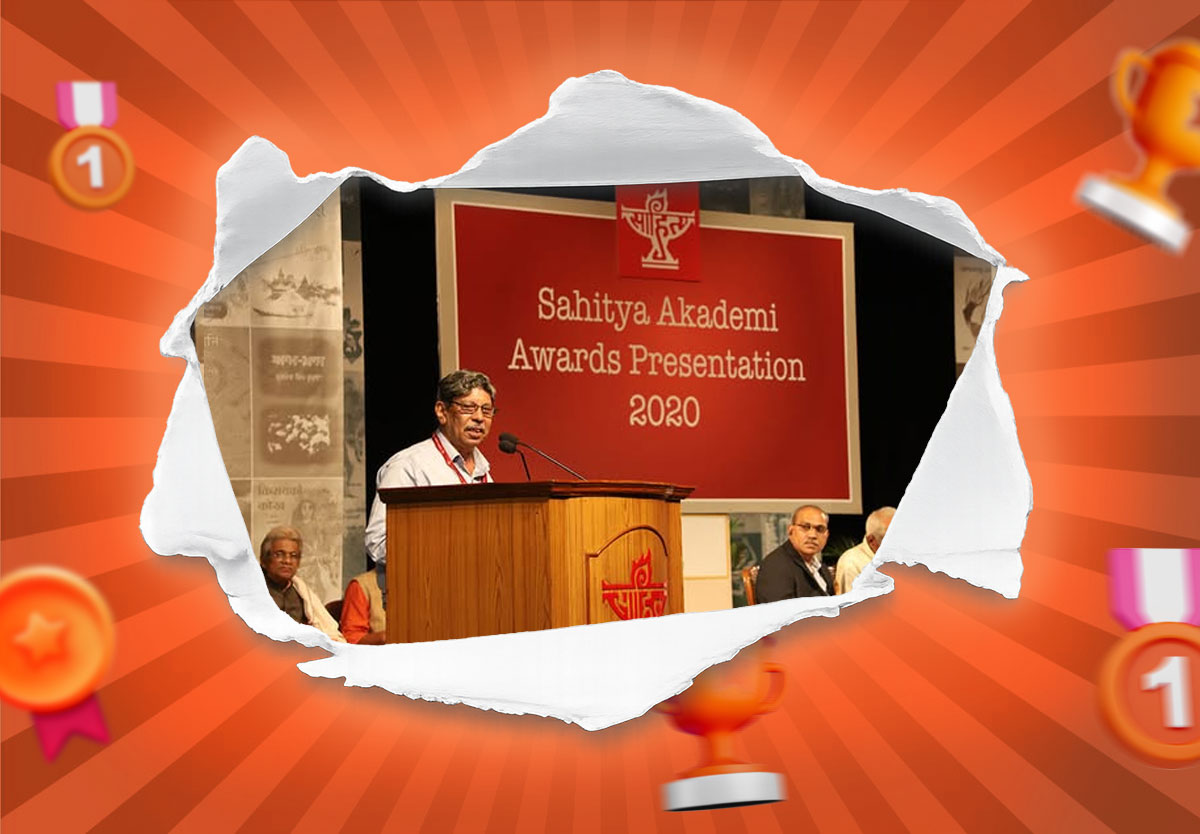
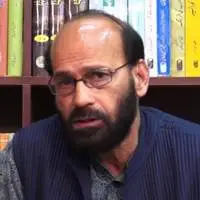
2020 | Hussain Ul Haque | Amawas Mein Khwab | Novel | Urdu |
|
2019 | Shafey Kidwai | Sawaneh-e-Sir Syed: Ek Bazdeed | Biography | Urdu |
|
2018 | Rahman Abbas | Rohzin | Novel | Urdu |
|
2017 | Mohammed Baig Ehsas | Dukhma | Short story | Urdu |
|
2016 | Nizam Siddiqui | Mabad-e-Jadidiat Se Naye Ahed Ki Takhliqiyat Tak | Criticism | Urdu |
|
2015 | Shamim Tariq | Tasawwuf aur Bhakti | Criticism | Urdu |
|
2014 | Munawwar Rana | Shahdaba | Poetry | Urdu |
|
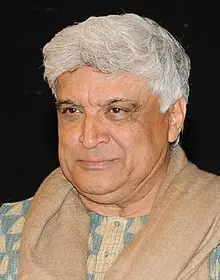
2013 | Javed Akhtar | Lava | Poetry | Urdu |
|
2012 | Krishna Kumar Toor | Ghurfa-i-Ghalib | Poetry | Urdu |
|
2011 | Khaleel Mamoon | Aafaaq Ki Taraf | Poetry | Urdu |
|
2010 | Sheen Kaaf Nizam | Gumshuda Dair ki Ghantiyan | poetry | Urdu |
|
2009 | Abul Kalam Qasmi | Maasir Tanqidi Rawayyay | criticism | Urdu |
|
2008 | Jayant Parmer | Pencil Aur Doosri Nazmein | Poetry | Urdu |
|
2007 | Wahab Ashrafi | Tareekh-e-Adab-e-Urdu | Criticism | Urdu |
|
2006 | Makhmoor Saeedi | Rasta Aur Main | Poetry | Urdu |
|
2005 | Jabir Husain | Ret Per Khema | Memoirs | Urdu |
|
2004 | Salam Bin Razzaq | Shikasta Buton Ke Darmiyan | Short Stories | Urdu |
|
2003 | Syed Muhammad Ashraf | Baad-E-Saba Ka Intizar | Short Stories | Urdu |
|
2002 | Gulzar | Dhuan | Short stories | Urdu |
|
2001 | Naiyer Masud | Taoos Chaman Ki Maina | Short stories | Urdu |
|
2000 | Mohd. Idrees Ambar Bahraichi | Sookhi Tahni Par Hariyal | Poetry | Urdu |
|
1999 | Bashir Badr | Aas | Poetry | Urdu |
|
1998 | Nida Fazli | Khoya Hua Sa Kuch | Poetry | Urdu |
|
1997 | Gian Singh Shatir | Gian Singh Shatir | Novel | Urdu |
|
1996 | Ilyas Ahmad Gaddi | Fire Area | Novel | Urdu |
|
1995 | Gopi Chand Narang | Sakhtiyat, Pas-Sakhtiyat Aur Mashriqi Sheriyat | Literary criticism | Urdu |
|
1994 | Mazhar Imam | Pichhle Mausam Ka Phool | Poetry | Urdu |
|
1993 | Ram Lall | Pakheru | Short stories | Urdu |
|
1992 | Mohammad Alvi | Chautha Aasmaan | Poetry | Urdu |
|
1991 | Salahuddin Parvez | Identity Card | Novel | Urdu |
|
1990 | Abdus Samad | Do Gaz Zameen | Novel | Urdu |
|
1989 | Surendra Prakash | Baaz Goyi | Short stories | Urdu |
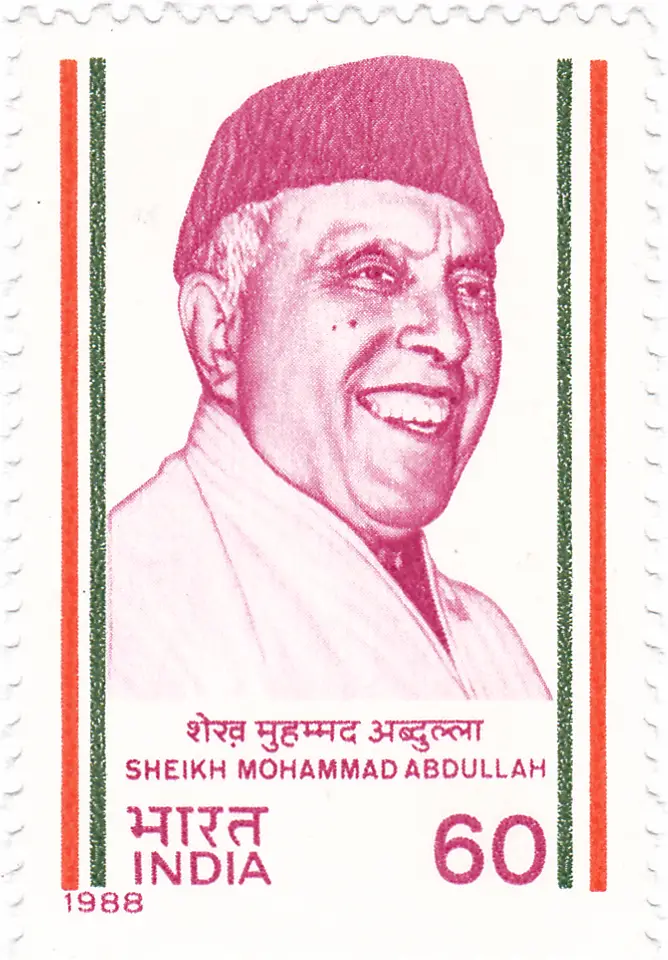
|
1988 | Sheikh Abdullah | Aatish-e-Chinar | Autobiography | Urdu |
|
1987 | A. M. K. Shahryar | Khwab Ka Dar Band Hai | Poetry | Urdu |
|
1986 | Shamsur Rahman Faruqi | Tanquidi Afkar | Literary criticism | Urdu |
|
1985 | Balraj Komal | Parindon Bhara Asmaan | Poetry | Urdu |
|
1984 | Masud Husain Khan | Iqbal Ki Nazari-o-Amali Sheriyat | Criticism | Urdu |
|
1983 | Malik Ram | Tazkirah-e-Muasireen (4th Play) | Biography | Urdu |
|
1982 | Gyan Chand Jain | Zikr-O-Fikr | Literary criticism | Urdu |
|
1980 | Asloob Ahmad Ansari | Iqbal Ki Terah Nazmen | Literary criticism | Urdu |
|
1979 | Gulam Rabbani Taban | Nawa-e-Awara | Poetry | Urdu |
|
1978 | Yousuf Hussain Khan | Hafiz aur Iqbal | Criticism | Urdu |
|
1976 | Jan Nisar Akhtar | Khak-e-Dil | Poetry | Urdu |
|
1975 | Kaifi Azmi | Awara Sajde | Poetry | Urdu |
|
1974 | Ale Ahmed Suroor | Nazar aur Nazariya | Literary criticism | Urdu |
|
1971 | Rasheed Ahmad Siddiqui | Ghalib ki Shakhsiyat aur Shairi | Literary criticism | Urdu |
|
1970 | Hayatullah Ansari | Lahoo Ke Phool | Novel | Urdu |
|
1969 | Makhdum Mohiuddin | Bisat-Raqs | Poetry | Urdu |
|
1967 | Qurratulain Hyder | Patjhar Ki Awaz | Short stories | Urdu |
|
1965 | Rajinder Singh Bedi | Ek Chadar Maili Si | Novelette | Urdu |
|
1964 | Anand Narain Mulla | Meri Hadis-e-Umr-e-Gurezan | Poetry | Urdu |
|
1963 | Khwaja Ghulam Saiyidain | Aandhi Mein Chiragh | Sketches | Urdu |
|
1962 | Akhtar ul Iman | Yadein | Poetry | Urdu |
|
1961 | Imtiaz Ali 'Arshi' | Diwan-i-Ghalib | A critical edition of Ghalib's poetry | Urdu |
|
1960 | Firaq Gorakhpuri | Gul-i-Naghma | Poetry | Urdu |
|
1959 | Masud Hassan Rizvi | Urdu Drama aur Stage | History of Urdu drama and stage | Urdu |
|
1958 | Jigar Moradabadi | Atish-i-Gul | Poetry | Urdu |
|
1957 | K. A. Faruqui | Mir Taqi Mir | Literary criticism | Urdu |
|
1956 | S. Abid Hussain | Qaumi Tehzib Ka Masala | Survey of Indian culture | Urdu |
|
1955 | Zafar Hussain Khan | Maal aur Mashiyat | Philosophical treatise | Urdu |
Frequently Asked Questions
Sahitya Akademi Award is a Literary award. It is given to recognize excellence in Literary field. This award holds importance because it highlights achievements and encourages individuals or organizations to perform better in their respective areas.
Sahitya Akademi Award is awarded for Promotion of Literature. This means the award is given to honor outstanding contributions and achievements in this area. It helps promote talent, dedication, and excellence among individuals or groups involved in this field.
The Sahitya Akademi Award is presented by Goverment of India. The Goverment of India organization or authority is responsible for selecting deserving candidates and maintaining the credibility of the award through a proper evaluation and selection process.
The Sahitya Akademi Award was first awarded in 1954. Since then, it has continued to recognize excellence and honor individuals or organizations who have made significant contributions in their respective fields over the years.
The most recent Sahitya Akademi Award was awarded in 2026. This shows that the award is still relevant and continues to appreciate and recognize achievements in modern times.
The current status of the Sahitya Akademi Award is Continue. This indicates whether the award is still active or has been discontinued, helping users understand its present significance and relevance.
The Sahitya Akademi Award is associated with India. This means the award is either given by this country or primarily recognized within it, making it an important part of its awards and honors system.